
Janai Purnima: A Sacred Full-Moon Festival of Faith, Pilgrimage and Himalayan Culture
Introduction
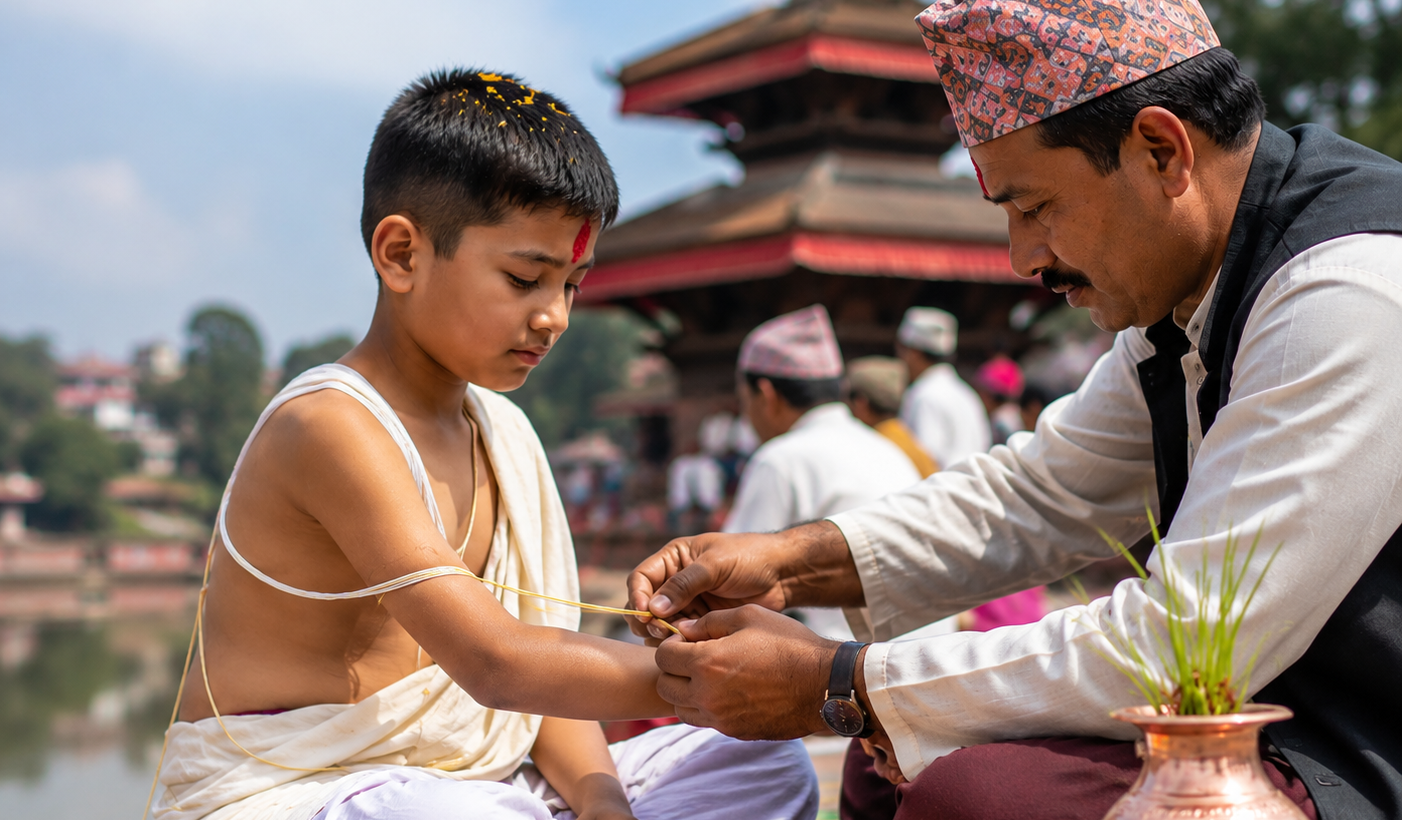
Janai Purnima is one of Nepal’s most sacred Hindu festivals, celebrated on the full moon of Shrawan (july/august) with religious rituals, temple worship, holy bathing, and pilgrimage. Known as the festival of the sacred thread, it is traditionally observed when Hindu men renew the Janai after completing prescribed Vedic rites. Devotees also receive or tie Doro, a protective thread blessed by priests, around the wrist as a symbol of divine protection, purity, good fortune, and spiritual strength.
The festival begins with prayer, purification, and ritual observance at temples, rivers, and sacred shrines. Priests chant mantras, perform puja, and bless devotees, while families honor their religious traditions through offerings, fasting, and acts of devotion. In many communities, Janai Purnima is also associated with Rakshya Bandhan when the sacred thread is tied as a spiritual shield against misfortune.
Beyond household rituals and temple ceremonies, Janai Purnima is a remarkable Himalayan pilgrimage season. Thousands of Hindu devotees and culturally curious travelers follow mountain trails to sacred lakes, shrines, and high-altitude destinations for holy baths, worship, meditation, and blessings. The pilgrimage routes to Gosainkunda, Bhairav Kunda, Khayer Lake, and Mount Kailash combine religious devotion with trekking, mountain scenery, local culture, and spiritual exploration.
Janai Purnima is a festival where faith meets the Himalayas. From the sacred waters of Gosainkunda and Bhairav Kunda to the remote beauty of Khayer Lake and the profound spiritual presence of Mount Kailash, the festival inspires thousands of devotees to undertake journeys of faith every year. For Hindu pilgrims, these journeys are opportunities for prayer, purification, and blessings. For travelers, they provide a fascinating window into Nepal’s living religious traditions and Himalayan culture. Experiencing Janai Purnima in the mountains is therefore not simply a holiday—it is a journey through spirituality, landscape, history, and community.
Religious Significance of Janai Purnima
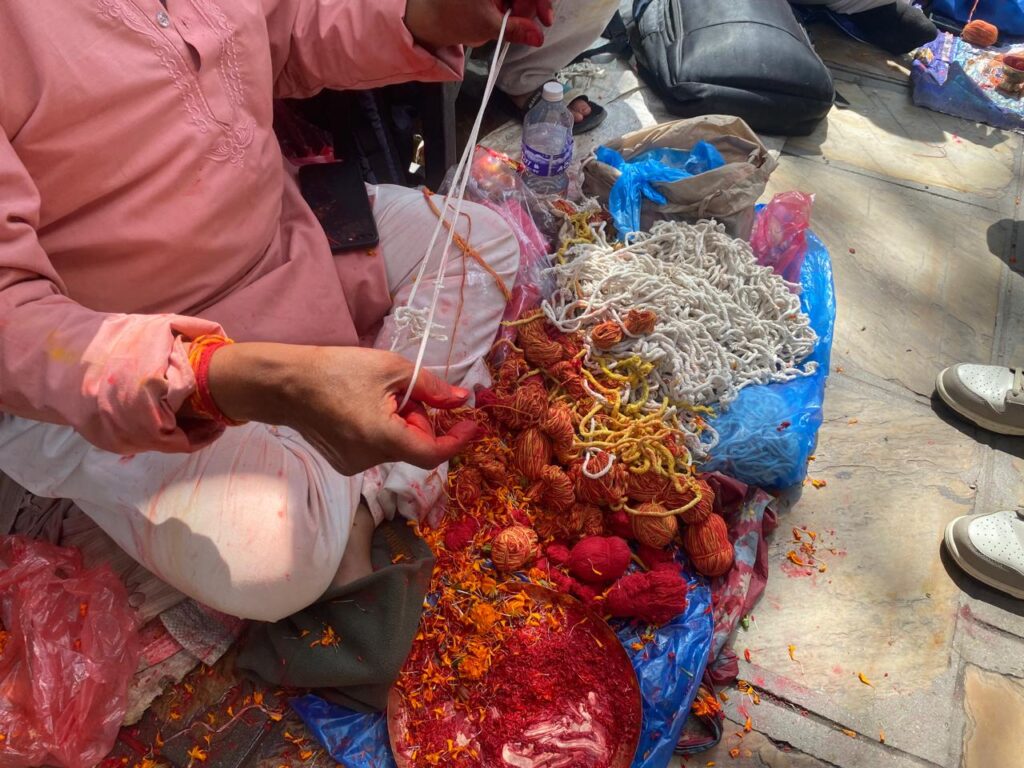
Janai Purnima represents purification, renewal, protection, and devotion. On this day, devotees visit temples, perform religious rituals, take holy baths, and receive blessings from priests. The sacred thread is renewed as a reminder of spiritual responsibility and religious commitment.
The full moon of Shrawan is considered particularly auspicious, and many devotees believe that bathing in sacred rivers, lakes, and pilgrimage sites during Janai Purnima helps cleanse spiritual impurities and brings blessings for health, prosperity, and protection.
Janai Purnima and Himalayan Pilgrimage
One of the most fascinating aspects of Janai Purnima is the tradition of pilgrimage to sacred Himalayan lakes. Despite challenging trails, cold weather, and high elevations, devotees make long journeys on foot to reach these holy places.
For many pilgrims, the journey itself is part of the spiritual experience. Walking through forests, mountain villages, rocky trails, and high Himalayan landscapes provides time for prayer, reflection, and devotion. At the destination, pilgrims traditionally take a holy bath or perform religious rituals before returning home with a sense of spiritual renewal.
Gosainkunda Pilgrimage During Janai Purnima
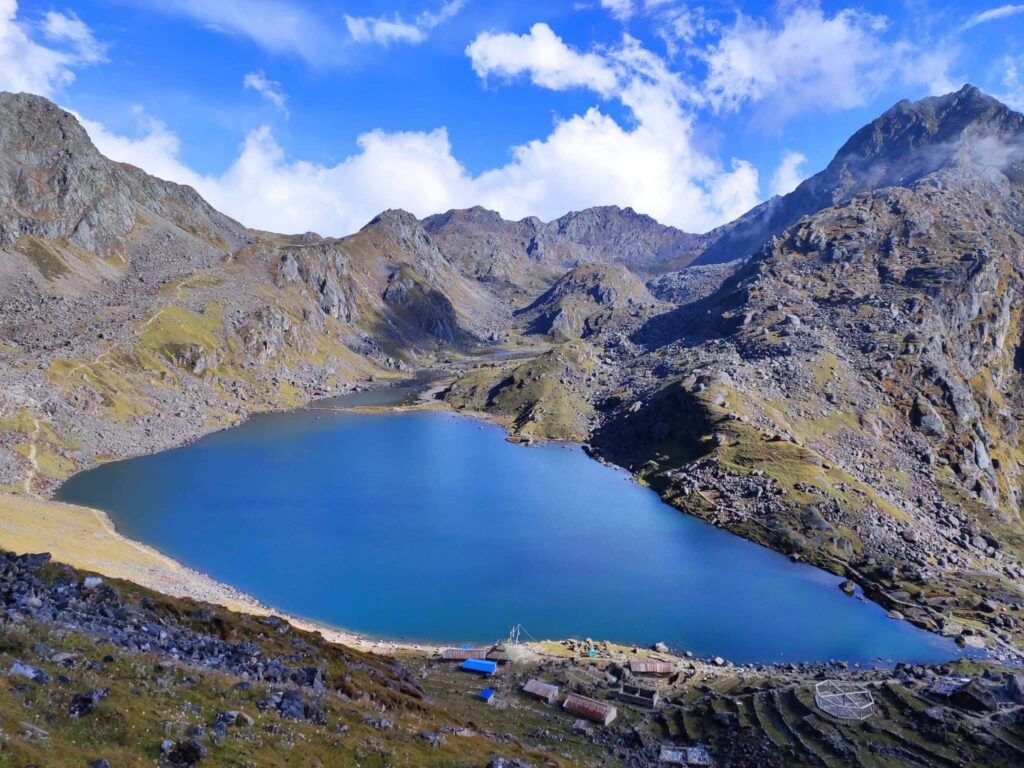
Gosainkunda is perhaps the most famous Himalayan pilgrimage destination associated with Janai Purnima in Nepal. Located in the Langtang region at an elevation of about 4,380 meters, the sacred lake is surrounded by rugged Himalayan mountains and is deeply revered by Hindus and Buddhists.
During Janai Purnima, thousands of pilgrims travel toward Gosainkunda, particularly from Kathmandu and surrounding areas. Devotees believe that the lake has a powerful connection with Lord Shiva. According to Hindu tradition, Gosainkunda was created when Lord Shiva struck the ground with his trident to obtain water after consuming poison.
Pilgrims traditionally take a holy bath in the cold waters of Gosainkunda and offer prayers to Lord Shiva. The annual pilgrimage transforms the normally peaceful Himalayan landscape into a vibrant gathering of devotees, priests, trekkers, and local communities.
The Gosainkunda pilgrimage is also an excellent example of how spirituality and Himalayan trekking come together. The journey passes through beautiful mountain scenery, forests, ridges, and traditional settlements before reaching the sacred lake.
Bhairav Kunda: A Sacred Himalayan Lake
Bhairav Kunda is another important pilgrimage destination visited by devotees around Janai Purnima. Located in the Sindhupalchok region, the sacred lake is associated with Bhairav, a powerful manifestation of Lord Shiva.
During the festival, pilgrims make their way to the lake to perform prayers, worship, and take a holy bath. The surrounding Himalayan environment adds a peaceful and spiritual atmosphere to the pilgrimage.
The route to Bhairav Kunda also provides an opportunity to experience Nepal’s rural mountain landscapes. The combination of religious traditions, local culture, forests, mountain views, and the sacred lake makes the journey particularly meaningful for devotees and travelers interested in Himalayan culture.
Khayer Barahi Lake and the Sacred Annapurna Landscape
Khayer Lake, situated in the Annapurna region at a high elevation, is another remote Himalayan destination associated with pilgrimage and religious belief. The lake lies in a dramatic mountain environment and can be reached through the Khopra Ridge trekking route.
The journey toward Khayer Lake is considerably more demanding than visiting many lower-altitude pilgrimage sites. Pilgrims and trekkers travel through forests, alpine meadows, rugged mountain terrain, and high-altitude landscapes before reaching the sacred lake.
For Hindu devotees, the lake holds spiritual importance, while for trekkers it offers an opportunity to experience a quieter and less crowded part of the Annapurna Himalayas. During the Janai Purnima period, the religious atmosphere gives the journey an additional cultural dimension.
Mount Kailash: The Sacred Full-Moon Pilgrimage
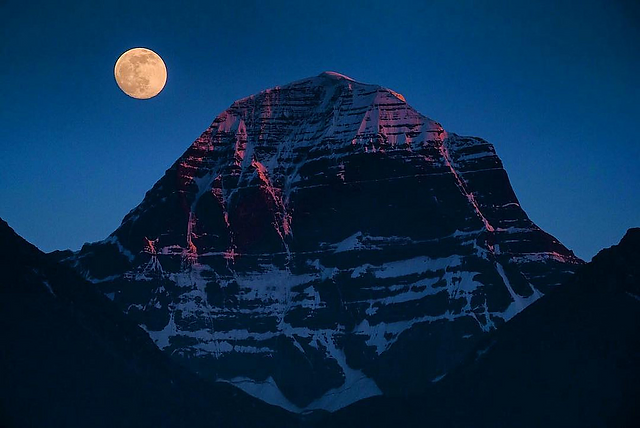
Mount Kailash is one of the most revered mountains in the world and holds extraordinary importance in Hinduism. Hindus regard Mount Kailash as the sacred abode of Lord Shiva and Goddess Parvati. The mountain is also revered in Buddhism, Jainism, and Bon traditions.
The full moon period is considered an especially meaningful time for spiritual activities around Mount Kailash. Pilgrims undertake the famous Kailash Kora, or circumambulation of the sacred mountain, as an act of devotion and spiritual purification.
Unlike Gosainkunda and Bhairav Kunda, Mount Kailash lies in the Tibet Autonomous Region of China, so the pilgrimage involves international travel, permits, high-altitude preparation, and organized logistics. Nevertheless, its spiritual significance makes it one of the most important Himalayan pilgrimage destinations for Hindu devotees.
Why Do Pilgrims Visit Sacred Lakes During Janai Purnima?
The tradition of visiting sacred lakes during Janai Purnima is closely connected with the belief in spiritual purification. Water has a central role in Hindu religious traditions, and bathing in a sacred lake or river is regarded as an important form of religious observance.
For pilgrims, however, the experience goes beyond the ritual itself. The long journey requires physical effort, patience, and determination. Reaching a remote Himalayan lake can become a deeply personal spiritual experience, combining faith, nature, culture, and self-reflection.
Janai Purnima as a Cultural Experience
Janai Purnima also offers travelers an opportunity to understand Nepal’s living cultural heritage. In villages and pilgrimage centers, visitors can observe traditional rituals, religious gatherings, local foods, music, and community celebrations.
The festival demonstrates the close relationship between Nepal’s religious traditions and its Himalayan environment. Sacred mountains, rivers, forests, and lakes are not simply geographical features; they are deeply connected with stories, beliefs, and generations of cultural traditions.
Janai Purnima Pilgrimage and Trekking
Janai Purnima offers a unique opportunity to combine spiritual devotion with an unforgettable Himalayan journey. During this sacred festival, pilgrims travel through scenic mountain trails to reach revered destinations such as Gosainkunda, Bhairav Kunda, and Khayer Lake, while the pilgrimage to Mount Kailash takes devotees into the high-altitude landscapes of Tibet. These journeys can involve steep ascents, rugged paths, changing weather, and cold conditions, making physical preparation essential. Pilgrims should carry suitable warm and weather-resistant clothing, sturdy trekking shoes, sufficient water, and necessary personal supplies. Taking time to acclimatize at higher elevations is equally important, particularly for those unfamiliar with mountain travel. With proper preparation and support from an experienced guide, the Janai Purnima pilgrimage can become a safe, meaningful, and memorable combination of faith, culture, and Himalayan adventure.
Best Way to Experience Janai Purnima in Nepal
Travelers interested in experiencing Janai Purnima can combine pilgrimage with a cultural and trekking journey. A well-planned itinerary allows visitors to experience local villages, Himalayan landscapes, religious sites, and traditional celebrations without rushing.
For international travelers, working with an experienced local trekking company can make transportation, accommodation, permits, guides, and high-altitude logistics easier to manage. Create Himalaya Adventure can arrange customized pilgrimage and trekking experiences based on the destination, duration, fitness level, and interests of travelers.
Frequently Asked Questions
1. When is Janai Purnima celebrated in Nepal?
Janai Purnima is celebrated on the full moon day of the Hindu month of Shrawan, which usually falls in July or August according to the Gregorian calendar. The exact date changes every year because the festival follows the lunar calendar. The day is marked by sacred-thread ceremonies, religious offerings, temple visits, and pilgrimage to holy places.
2. What does Janai Purnima mean?
Janai Purnima literally refers to the full-moon festival associated with the sacred thread, or *Janai*. It symbolizes spiritual renewal, purity, protection, and religious commitment. The festival is especially significant among Hindu communities, although several communities in Nepal observe related traditions on the same day.
3. Who wears the Janai?
Traditionally, Hindu men who have received the appropriate religious initiation wear the sacred thread known as Janai. During Janai Purnima, they renew or change the thread after performing prescribed rituals. The ceremony represents a renewed commitment to spiritual duties, religious discipline, and personal purity.
4. What is the significance of the thread tied around the wrist?
The protective thread, commonly known as Doro or Rakshya Bandhan, is blessed by a priest and tied around the wrist. Devotees consider it a spiritual symbol of protection and good fortune. Many people continue wearing the thread until a later religious occasion when it is traditionally replaced or removed.
5. Why do people take a holy bath on Janai Purnima?
A holy bath is considered an act of purification in Hindu tradition. Devotees believe that bathing in a sacred river, lake, or pilgrimage site on this auspicious full-moon day can help cleanse spiritual impurities and bring blessings. At Himalayan pilgrimage destinations, the ritual also forms an important part of the annual religious gathering.
6. Can tourists participate in Janai Purnima celebrations?
Yes, visitors can experience Janai Purnima as a cultural and religious event, provided they respect local customs. Tourists can observe rituals, visit temples, interact respectfully with local communities, and experience pilgrimage traditions. Photography should be done sensitively, particularly during private ceremonies or moments of worship.
7. Is Janai Purnima only celebrated by Brahmin and Chhetri communities?
No. Although the sacred-thread ceremony has particular importance among certain Hindu communities, Janai Purnima has broader cultural significance in Nepal. Different ethnic and religious communities observe their own traditions during the festival, making it a diverse celebration rather than a single ritual practiced in exactly the same way everywhere.
8. Why is Janai Purnima important for Nepalese families?
For many families, Janai Purnima is a time to maintain religious traditions and strengthen family and community connections. People visit temples, receive sacred threads, prepare traditional foods, and seek blessings from elders. The festival also provides an opportunity for younger generations to learn about customs passed down through their families.
9. What foods are traditionally eaten during Janai Purnima?
Food traditions vary between communities and regions. Kwati, a nutritious soup prepared from a mixture of sprouted beans and legumes, is especially associated with Janai Purnima in Nepal. It is traditionally enjoyed during the festival and is valued as a wholesome meal, particularly during the rainy season.
10. Why is Kwati associated with Janai Purnima?
Kwati is traditionally prepared around the time of Janai Purnima and has become one of the festival’s best-known foods. The mixture of beans and legumes provides protein and energy, making it a practical seasonal dish. Beyond its nutritional value, preparing and sharing Kwati has become an important part of Nepal’s culinary heritage surrounding the festival.
11. What should pilgrims carry for a Janai Purnima mountain pilgrimage?
Pilgrims heading toward high-altitude destinations should prepare for rapidly changing mountain conditions. Warm layers, waterproof clothing, comfortable trekking footwear, a water bottle, personal medicines, sunscreen, sunglasses, a headlamp, snacks, and basic first-aid supplies are useful. For longer journeys, a sleeping bag and other appropriate trekking equipment may also be necessary.
12. Are Janai Purnima pilgrimage routes crowded?
Popular pilgrimage destinations can become extremely busy around the festival because large numbers of devotees travel at approximately the same time. Trails, accommodation, transportation, and religious sites may experience increased demand. Travelers should therefore plan transportation and accommodation early and allow additional time for busy sections of the journey.
13. Is it safe to visit Gosainkunda during Janai Purnima?
A Gosainkunda pilgrimage during Janai Purnima can be rewarding, but visitors should be prepared for high altitude, cold temperatures, crowded trails, and potentially difficult weather. Gradual ascent, adequate hydration, suitable clothing, and awareness of altitude-related symptoms are important. Those with symptoms of altitude sickness should not continue ascending without appropriate assessment and assistance.
14. How long does a Janai Purnima pilgrimage usually take?
The duration depends entirely on the destination and starting point. Some pilgrims may complete a short pilgrimage within a few days, while journeys to remote Himalayan lakes require considerably more time. The Mount Kailash pilgrimage generally requires a longer organized itinerary because of international travel, permits, transportation, and high-altitude walking.
15. Can elderly people join Janai Purnima pilgrimages?
Elderly pilgrims can participate, but the route should be selected according to their physical condition and previous mountain experience. High-altitude destinations can be demanding because of steep trails, cold temperatures, and reduced oxygen levels. A shorter or less strenuous pilgrimage may be more suitable, and medical advice can be helpful before undertaking a demanding Himalayan journey.
16. What is special about the full moon during Janai Purnima?
Janai Purnima falls on the full moon of Shrawan, a period considered highly auspicious in Hindu tradition. The full moon adds spiritual importance to religious ceremonies, prayers, bathing rituals, and pilgrimage activities. For many devotees, observing the festival under the full moon represents a powerful moment of faith, reflection, and renewal.
17. Can Janai Purnima be combined with a trekking holiday?
Yes. Janai Purnima can be incorporated into a trekking itinerary, particularly in areas containing sacred lakes, temples, and traditional mountain settlements. Combining the festival with trekking allows visitors to experience both the spiritual side of Nepal and its natural landscapes. The itinerary should be designed carefully because pilgrimage crowds and weather can affect travel times.
18. What should foreigners know before visiting a Hindu pilgrimage site?
Foreign visitors should approach pilgrimage sites with cultural sensitivity. Modest clothing, respectful behavior, following local instructions, and asking permission before photographing people or ceremonies are recommended. Some temples or religious areas may have specific restrictions for visitors, so travelers should follow the guidance of local authorities, priests, or guides.
19. Does Janai Purnima affect transportation and accommodation in trekking areas?
Yes, popular pilgrimage routes can experience higher demand during the festival period. Public transportation may become crowded, while teahouses and lodges along busy routes can fill quickly. Travelers planning to visit major pilgrimage destinations around Janai Purnima should make arrangements in advance and maintain some flexibility in case weather or congestion causes delays.
20. How can I plan a Janai Purnima pilgrimage in Nepal?
Start by choosing a destination that matches your available time, fitness level, and pilgrimage interests. Then arrange transportation, accommodation, necessary permits, suitable equipment, and an experienced guide where appropriate. Create Himalaya Adventure can help organize customized Janai Purnima pilgrimage and trekking experiences, including route planning, local transportation, accommodation, guides, and other essential arrangements.
Ramchandra Lamichhane
Trekking Expert
No hidden fees • Local experts • Best price guarantee