
Manang Village
Introduction
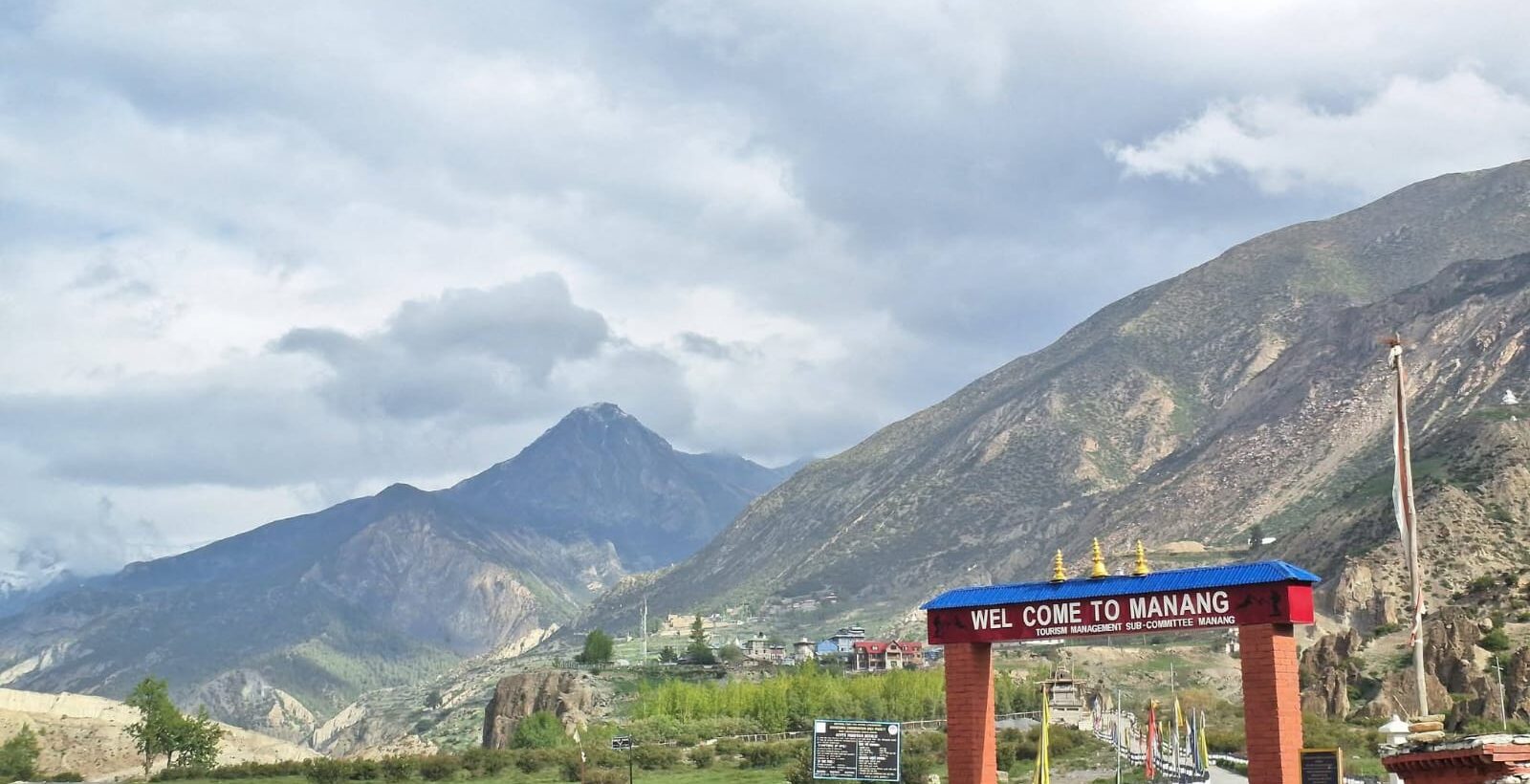
Nestled in the heart of the Annapurna region, Manang Village is one of Nepal’s most beautiful Himalayan destinations. Surrounded by snow-covered peaks, dramatic valleys, turquoise glacial lakes, and ancient monasteries, the village attracts thousands of trekkers and travelers every year. Located along the world-famous Annapurna Circuit Trek, Manang is much more than just an overnight stop. It serves as an important acclimatization point before crossing the challenging Thorong La Pass (5,416 m) and also acts as the gateway to the spectacular Tilicho Lake, one of the highest lakes in the world.
Standing at an elevation of approximately 3,540 meters (11,614 feet), Manang offers breathtaking panoramic views of Annapurna II, Annapurna III, Gangapurna, Tilicho Peak, and Chulu East. The peaceful atmosphere, traditional stone houses, colorful prayer flags, and centuries-old Buddhist culture create a unique experience that is completely different from Nepal’s busy cities.
Unlike many trekking villages that exist solely for tourism, Manang has a rich history, vibrant local traditions, and a resilient mountain community that has adapted to life in one of Nepal’s most remote Himalayan regions. Visitors can explore ancient monasteries, hike to scenic viewpoints, discover hidden caves, enjoy authentic Himalayan cuisine, or simply relax while surrounded by spectacular mountain scenery.
One of the reasons Manang has become increasingly popular is its perfect combination of natural beauty, adventure, and culture. Whether you are trekking the Annapurna Circuit, planning a side trip to Tilicho Lake, or simply looking for an unforgettable mountain destination, Manang offers experiences suitable for every traveler.
Today, improved road access has made Manang more accessible than ever before. However, despite these developments, the village has successfully preserved its traditional lifestyle, cultural identity, and breathtaking landscapes. The warm hospitality of the local Manangi people, combined with the peaceful Himalayan environment, leaves visitors with memories that last a lifetime.
If you are planning an adventure in Nepal, visiting Manang Village is one of the highlights you should never miss.
History and Cultural Heritage of Manang
The history of Manang dates back hundreds of years, when it served as an important trading settlement between Nepal and Tibet. For generations, local traders crossed high Himalayan passes carrying salt, wool, medicinal herbs, grains, and handmade goods. This historic trade route brought prosperity to the region and influenced the unique culture that still exists today.
The people of Manang, commonly known as the Manangis, have developed a distinct identity shaped by both Tibetan Buddhism and Himalayan traditions. Their language, clothing, architecture, religious ceremonies, and daily lifestyle all reflect strong Tibetan influences while maintaining their own local customs.
Ancient monasteries remain at the center of community life. Prayer wheels, mani walls, colorful chortens, and fluttering prayer flags can be seen throughout the village, reminding visitors of the deep spiritual beliefs that guide everyday life. Many local families continue to celebrate Buddhist festivals that have been passed down through generations, preserving traditions that have remained unchanged for centuries.
The nearby Braga Monastery, believed to be several hundred years old, is one of the region’s most important religious landmarks. Inside, visitors can admire beautiful Buddhist murals, ancient scriptures, meditation rooms, and sacred statues while enjoying magnificent views over the Manang Valley.
Although tourism has become an important source of income, the people of Manang continue to protect their cultural heritage with great pride. Visitors are welcomed warmly, but they are also encouraged to respect local customs, monasteries, and sacred sites. This balance between tradition and modern tourism is one of the reasons why Manang remains one of Nepal’s most fascinating Himalayan communities.
Where is Manang Village Located?
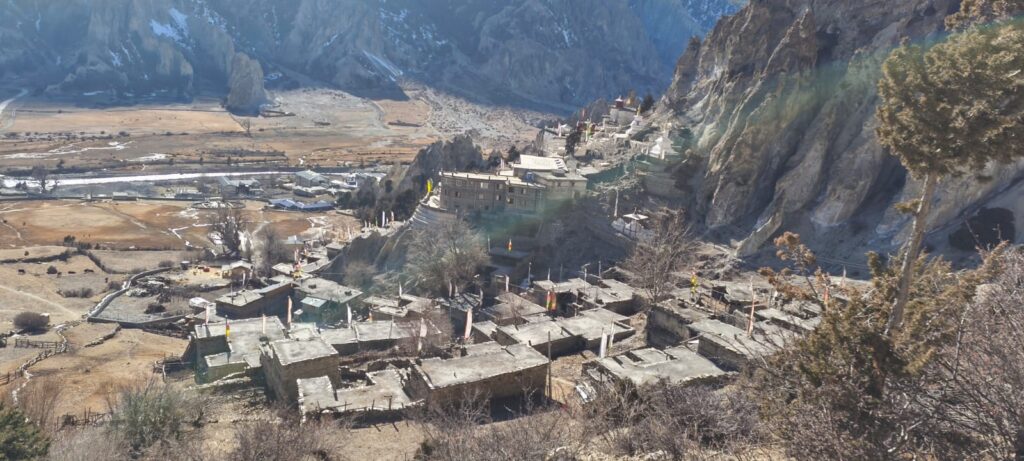
Manang Village is located in the Manang District of Gandaki Province, northern Nepal, within the protected Annapurna Conservation Area. It lies along the famous Annapurna Circuit Trek, approximately 180 kilometers northwest of Kathmandu.
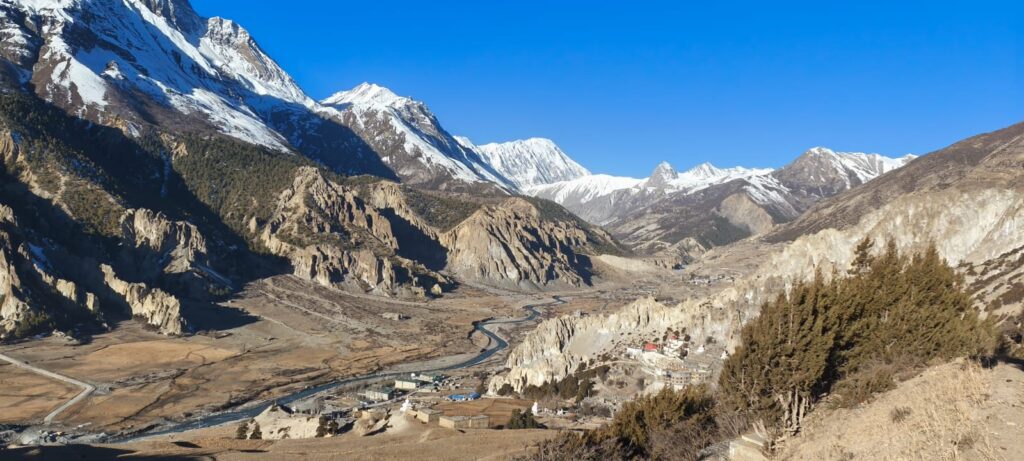
The village sits on the northern side of the Annapurna mountain range in a wide valley carved by the Marsyangdi River. Unlike the lush green forests found on the southern slopes of Annapurna, Manang lies within the Himalayan rain shadow, making the landscape much drier with rocky cliffs, alpine meadows, and dramatic mountain scenery.
Manang is surrounded by several magnificent Himalayan peaks, including Annapurna II (7,937 m), Annapurna III (7,555 m), Gangapurna (7,455 m), Tilicho Peak (7,134 m), and Chulu East (6,584 m). This spectacular mountain setting makes it one of Nepal’s finest destinations for trekking, photography, and nature lovers.
Because of its strategic location, Manang also serves as the starting point for several famous side trips, including Tilicho Lake, Ice Lake, Milarepa Cave, and the Gangapurna Glacier.
Why Manang is Famous For?
Manang is internationally recognized for its extraordinary natural beauty, high-altitude landscapes, and rich Tibetan Buddhist culture. It is considered one of the most memorable destinations on the Annapurna Circuit because trekkers spend an extra day here for acclimatization before continuing toward Thorong La Pass.
The village is famous for offering some of Nepal’s best short hiking opportunities. Popular excursions include the breathtaking Ice Lake, the peaceful Milarepa Cave, the stunning Gangapurna Glacier viewpoint, and the ancient Braga Monastery. Each hike provides magnificent views of snow-covered Himalayan peaks while helping trekkers adapt to the increasing altitude.
Manang is also known as the gateway to Tilicho Lake, one of the world’s highest alpine lakes. Thousands of trekkers choose to extend their Annapurna Circuit adventure by visiting this spectacular turquoise lake before continuing toward Thorong La Pass.
Apart from trekking, Manang attracts photographers, cultural travelers, birdwatchers, and adventure enthusiasts seeking an authentic Himalayan experience. Its combination of mountain scenery, traditional villages, Buddhist heritage, and outdoor activities makes Manang one of Nepal’s most rewarding travel destinations.
Manang Village Altitude and Geography
Manang Village stands at an elevation of approximately 3,540 meters (11,614 feet) above sea level. At this altitude, the air contains significantly less oxygen than at lower elevations, making proper acclimatization essential for all visitors.
The village is situated in a broad valley along the Marsyangdi River and is surrounded by towering Himalayan peaks, glaciers, alpine grasslands, and rocky cliffs. The landscape changes dramatically as trekkers ascend from lower elevations. Dense forests gradually give way to open valleys, barren hillsides, and snow-covered mountains, creating one of Nepal’s most diverse trekking environments.
Because Manang lies within the rain-shadow region of the Annapurna range, it receives much less rainfall than other parts of Nepal. This creates dry weather, clear skies, and excellent mountain visibility during much of the trekking season.
The unique geography also supports rare alpine vegetation and wildlife, making Manang an important ecological area within the Annapurna Conservation Area.
Best Time to Visit Manang Village
The best time to visit Manang Village is during spring (March to May) and autumn (September to November). These seasons provide stable weather, clear skies, comfortable daytime temperatures, and spectacular mountain views.
Spring transforms the lower valleys with blooming rhododendron forests, colorful wildflowers, and fresh greenery. The temperatures are pleasant for trekking, while the surrounding snow-capped peaks remain beautifully visible throughout the day.
Autumn is considered the most popular trekking season in Nepal. After the summer monsoon, the air becomes exceptionally clear, offering breathtaking panoramic views of Annapurna, Gangapurna, Tilicho Peak, and the surrounding Himalayas. Mild temperatures and reliable weather make this season ideal for trekking and photography.
Winter (December to February) offers peaceful trails and beautiful snowy landscapes, but temperatures can fall well below freezing, and heavy snowfall may affect travel beyond Manang.
The monsoon season (June to August) brings rainfall to much of Nepal. However, since Manang lies in the Himalayan rain shadow, it remains considerably drier than many other trekking regions, although landslides and road conditions in the lower sections can still create travel challenges.
How to Reach Manang Village
Reaching Manang has become easier thanks to the extension of mountain roads connecting the region with Besisahar and Chame. Most travelers begin their journey in Kathmandu before driving to Besisahar and continuing by four-wheel-drive jeep through Dharapani and Chame to reach Manang.
Many trekkers still prefer to experience the traditional Annapurna Circuit by hiking from Dharapani or Chame. This gradual ascent allows better acclimatization while passing through beautiful forests, waterfalls, suspension bridges, and traditional Gurung and Tibetan-influenced villages.
For those with limited time, jeep transportation offers a faster alternative, reducing several days of trekking while still allowing visitors to experience the stunning landscapes of the Annapurna region. Regardless of the chosen route, the journey to Manang is filled with spectacular mountain scenery and unforgettable Himalayan views.
Road Conditions to Manang
The road to Manang has improved significantly over the past decade, making the village accessible by jeep for most of the year. From Kathmandu, travelers first follow the paved highway to Besisahar before continuing on rough mountain roads through Dharapani, Timang, and Chame.
Beyond Besisahar, the road becomes unpaved and can be dusty during the dry season and muddy after rainfall. Several sections pass through narrow cliffs, river crossings, and winding mountain terrain, requiring experienced local drivers and sturdy four-wheel-drive vehicles.
During the monsoon season, occasional landslides and rockfalls may temporarily disrupt road access, while winter snowfall can affect travel in higher areas. Despite these challenges, the drive itself is an adventure, offering incredible views of waterfalls, deep gorges, traditional villages, and the majestic Annapurna mountains.
For many travelers, the journey to Manang is as memorable as the destination itself, providing a remarkable introduction to the beauty and diversity of Nepal’s Himalayan landscapes.
Top Things to Do in Manang Village
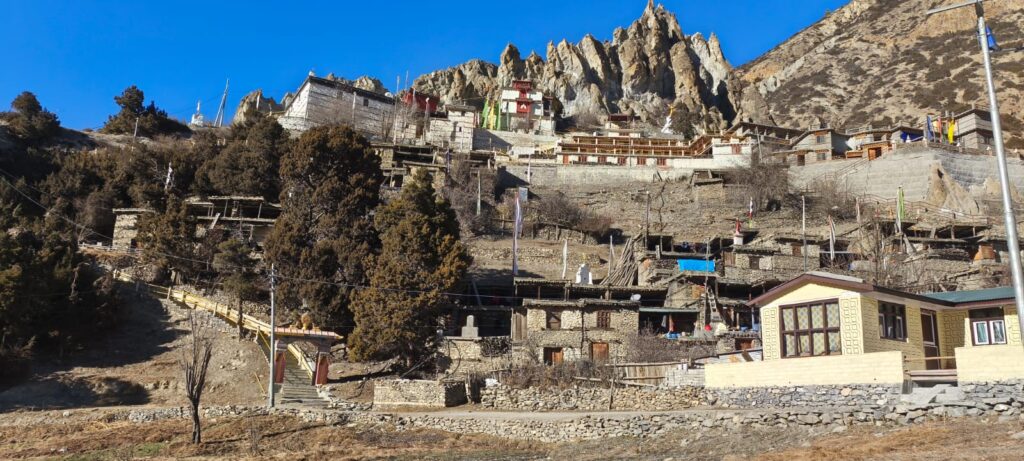
Manang Village is more than just an acclimatization stop on the Annapurna Circuit Trek. It is a destination filled with scenic viewpoints, ancient monasteries, glacial lakes, and rewarding hiking trails. Most trekkers spend at least one extra day here to adjust to the altitude, and this provides the perfect opportunity to explore the area’s natural beauty and cultural attractions. From panoramic mountain viewpoints to centuries-old Buddhist sites, every corner of Manang offers a memorable experience. Whether you are seeking adventure, photography, or cultural exploration, there are plenty of activities that make your stay in Manang truly worthwhile.
Ice Lake Hike from Manang
The Ice Lake Hike is one of the most popular acclimatization hikes in the Annapurna region. Starting from Manang Village, the trail climbs steadily through alpine meadows and rocky hills before reaching the stunning Ice Lake at approximately 4,600 meters. Although the hike is physically demanding due to the altitude, the reward is extraordinary. The lake reflects the surrounding Himalayan peaks, creating one of the most beautiful landscapes in the region.
Along the trail, trekkers enjoy spectacular views of Annapurna II, Annapurna III, Gangapurna, Tilicho Peak, Chulu East, and Pisang Peak. Completing this hike also helps the body adjust to higher elevations before continuing toward Tilicho Lake or Thorong La Pass, making it both a scenic adventure and an important acclimatization activity.
Milarepa Cave Hike from Manang
A short but fascinating hike from Manang leads to the sacred Milarepa Cave, one of the region’s most important spiritual sites. According to Buddhist tradition, the famous Tibetan saint and yogi Milarepa meditated in this cave many centuries ago while practicing deep spiritual meditation.
The trail offers peaceful surroundings, beautiful mountain scenery, and excellent views over the Manang Valley. Visitors can observe prayer flags, small shrines, and the quiet atmosphere that continues to attract Buddhist pilgrims from around the world. The hike combines history, spirituality, and natural beauty, making it an excellent choice for travelers looking to experience the cultural side of the Himalayas.
Gangapurna Glacier Viewpoint
The Gangapurna Glacier Viewpoint is another must-visit attraction near Manang Village. The trail climbs gently above the village and rewards hikers with breathtaking views of the Gangapurna Glacier, the turquoise Gangapurna Lake, and the surrounding snow-covered mountains.
From the viewpoint, visitors can appreciate the immense scale of the glacier while enjoying panoramic views across the Marsyangdi Valley. Sunrise and sunset are particularly spectacular, as the golden light illuminates the towering Himalayan peaks. The viewpoint is also a favorite location for photographers who wish to capture the dramatic landscapes of the Annapurna region.
Chongkor Viewpoint Hike
The Chongkor Viewpoint offers one of the finest panoramic perspectives of Manang Village and the surrounding Himalayas. The relatively short hike gradually ascends above the village through traditional stone paths and alpine terrain.
From the top, trekkers can enjoy uninterrupted views of Annapurna II, Gangapurna, Tilicho Peak, Chulu East, and the entire Manang Valley. Because the trail is less crowded than other nearby hikes, it provides a peaceful setting for photography, meditation, and appreciating the magnificent Himalayan landscape.
Visit the Ancient Braga Monastery
Located just a short walk from Manang, Braga Monastery is one of the oldest and most significant Buddhist monasteries in the Annapurna region. Believed to be several centuries old, the monastery sits on a hillside overlooking the valley and serves as an important center of Tibetan Buddhist culture.
Inside, visitors can admire colorful murals, ancient Buddhist scriptures, prayer wheels, traditional statues, and beautifully preserved religious artwork. The monastery also offers outstanding panoramic views of Manang Village and the surrounding mountains. Visiting Braga Monastery provides insight into the spiritual traditions that have shaped the lives of the Manangi people for generations.
Local Culture and Lifestyle of the Manangi People
The people of Manang, known as the Manangis, have developed a unique culture influenced by Tibetan Buddhism and centuries of Himalayan trade. Their traditional stone houses, colorful prayer flags, monasteries, and community lifestyle reflect a deep connection with both nature and spirituality.
Agriculture, yak herding, tourism, and small businesses remain important sources of income for many local families. Despite modern development, the Manangis continue to preserve their customs, language, traditional clothing, and religious practices.
Throughout the year, several Buddhist festivals bring the community together through masked dances, religious ceremonies, prayers, music, and cultural celebrations. During these festivals, monasteries become vibrant gathering places where both locals and visitors can experience the rich cultural heritage of the Himalayas. Respecting local traditions and religious sites helps preserve this unique mountain culture for future generations.
Food and Accommodation in Manang Village
Manang offers a wide range of accommodation, from traditional family-run teahouses to comfortable mountain lodges with modern amenities. Most rooms are simple but clean, featuring twin beds, warm blankets, and shared or attached bathrooms depending on the lodge. Many accommodations also provide heated dining halls where trekkers can relax after a long day on the trail.
Food options are surprisingly diverse despite the village’s remote location. Popular meals include Dal Bhat, Tibetan bread, noodle soup, fried rice, pasta, momos, potatoes, pancakes, eggs, pizza, and seasonal vegetables. Freshly prepared meals provide the energy needed for high-altitude trekking.
Most hotels and teahouses offer Wi-Fi, electricity, and mobile network coverage for an additional fee. Charging electronic devices is generally available, although power costs increase at higher elevations. While internet speeds may be slower than in cities, they are sufficient for basic communication with family and friends.
ATM and Money Exchange Facilities
Although Manang has become increasingly developed, financial services remain limited. A few ATM facilities may be available, but they cannot always be relied upon due to network interruptions, cash shortages, or power outages.
For this reason, travelers should withdraw enough Nepalese currency in Kathmandu, Pokhara, or Besisahar before beginning the trek. Credit cards are accepted at only a few establishments, and additional service charges may apply. Carrying sufficient cash is the safest and most convenient option for accommodation, meals, transportation, and personal expenses.
Shopping and Local Souvenirs
Small shops throughout Manang sell a variety of trekking essentials, handmade crafts, and local souvenirs. Visitors can purchase woolen hats, gloves, scarves, yak wool products, prayer flags, singing bowls, Buddhist artifacts, handmade jewelry, postcards, and locally produced handicrafts.
Although prices are generally higher than in Kathmandu because supplies must be transported into the mountains, purchasing locally made products supports the village economy and local artisans.
Health and Safety Tips (Altitude Sickness in Manang)
Because Manang sits at 3,540 meters, proper acclimatization is essential before continuing toward higher elevations. Many trekkers spend an additional night in the village to allow their bodies to adjust naturally to the thinner air.
Drink plenty of water, eat nutritious meals, avoid excessive alcohol, and maintain a slow, steady walking pace. Common symptoms of altitude sickness include headache, nausea, dizziness, fatigue, and difficulty sleeping. If symptoms become severe or continue to worsen, immediate descent is the safest treatment.
Weather conditions can change rapidly in the Himalayas, so always carry warm clothing, waterproof gear, sunscreen, sunglasses, and a personal first-aid kit. Trekking with an experienced licensed guide greatly improves safety, navigation, and emergency response throughout the journey.
Travel Insurance Requirements
Travel insurance is highly recommended for anyone visiting Manang, especially if continuing toward Tilicho Lake or Thorong La Pass. Your insurance policy should cover high-altitude trekking up to at least 5,500 meters, emergency medical treatment, helicopter evacuation, trip cancellation, and personal accidents.
Medical facilities in remote mountain villages are limited, and emergency helicopter evacuation may be necessary in cases of severe altitude sickness or injury. Before your trek begins, keep both printed and digital copies of your insurance documents along with emergency contact information.
Wildlife and Nature Around Manang
Manang lies within the protected Annapurna Conservation Area, one of Nepal’s richest biodiversity regions. Although the landscape appears rugged and dry, it supports remarkable wildlife adapted to high-altitude environments.
Lucky visitors may spot Himalayan blue sheep, Himalayan tahr, musk deer, pika, marmots, and numerous alpine bird species such as Himalayan griffon vultures, golden eagles, snow pigeons, and colorful pheasants. The surrounding valleys are also home to rare medicinal plants, alpine flowers, juniper forests, and hardy shrubs that survive in the harsh mountain climate.
Nature lovers and photographers will find endless opportunities to appreciate the unique ecosystems that make Manang one of Nepal’s most remarkable conservation areas.
Manang as the Gateway to Tilicho Lake and Annapurna Circuit Trek
Manang serves as the main gateway to two of Nepal’s most famous trekking adventures: Tilicho Lake and the Annapurna Circuit Trek. Most trekkers spend one or two nights here before deciding whether to continue directly toward Thorong La Pass or take the breathtaking detour to Tilicho Lake.
The route to Tilicho Lake passes through Khangsar, Shree Kharka, and Tilicho Base Camp before reaching the magnificent turquoise lake at 4,919 meters. After visiting the lake, trekkers usually return to the Annapurna Circuit and continue toward Yak Kharka, Thorong Phedi, Thorong La Pass, and Muktinath.
Thanks to its strategic location, excellent accommodation, acclimatization opportunities, and numerous side hikes, Manang has become one of the most important trekking hubs in the Nepal Himalayas.
Why Choose Create Himalaya Adventure for Manang?
Planning a trek to Manang is much easier with an experienced local trekking company. Create Himalaya Adventure offers professionally designed itineraries, licensed trekking guides, reliable transportation, comfortable accommodation arrangements, and complete permit assistance. With years of experience in the Annapurna region, the team focuses on safety, personalized service, and responsible tourism while ensuring every traveler enjoys an authentic Himalayan experience. Whether you are visiting Manang, trekking to Tilicho Lake, or completing the Annapurna Circuit, Create Himalaya Adventure helps make your journey safe, enjoyable, and unforgettable.
Frequently Asked Questions (FAQs) About Manang Village
1. Where is Manang Village located?
Manang Village is located in the Annapurna Conservation Area of Gandaki Province, northern Nepal.
2. What is the altitude of Manang Village?
Manang sits at approximately 3,540 meters (11,614 feet) above sea level.
3. Why is Manang famous?
It is famous for the Annapurna Circuit Trek, Tilicho Lake access, breathtaking mountain scenery, and Tibetan Buddhist culture.
4. How many days should I stay in Manang?
Most trekkers spend two nights to acclimatize before trekking to higher elevations.
5. Is altitude sickness common in Manang?
Yes. Some trekkers experience mild symptoms due to the high altitude, so acclimatization is essential.
6. What is the best time to visit Manang?
Spring (March–May) and autumn (September–November) offer the best weather and mountain views.
7. Can I drive to Manang?
Yes. Four-wheel-drive jeeps can reach Manang from Besisahar via Chame.
8. Is there internet in Manang?
Yes. Most lodges provide Wi-Fi, although speeds can be slow.
9. Are ATMs available in Manang?
Limited ATM services exist, but carrying enough cash is strongly recommended.
10. Can beginners visit Manang?
Yes. With proper acclimatization and preparation, beginners can comfortably visit Manang.
11. Is Manang safe for solo travelers?
Yes. It is generally considered safe, although trekking with a guide provides additional security.
12. What wildlife can be seen around Manang?
You may encounter Himalayan blue sheep, Himalayan tahr, musk deer, marmots, and various mountain birds.
13. Can I visit Tilicho Lake from Manang?
Yes. Manang is the main starting point for the Tilicho Lake Trek.
14. Is Braga Monastery worth visiting?
Absolutely. It is one of the oldest Buddhist monasteries in the Annapurna region.
15. Do I need travel insurance for Manang?
Yes. Insurance covering high-altitude trekking and emergency helicopter evacuation is strongly recommended.
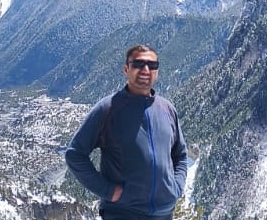
Ramchandra Lamichhane
Trekking Expert
No hidden fees • Local experts • Best price guarantee