Ruby Valley Trek
The Ruby Valley Trek is one of Nepal’s most rewarding off-the-beaten-path adventures, offering an authentic Himalayan experience far from the busy commercial trekking routes. Situated between the world-renowned Langtang National […]
Highlights
- Discover one of Nepal's least-visited and most authentic trekking destinations.
- Trek through the hidden valley between Langtang and Manaslu regions.
- Enjoy spectacular panoramic views of Ganesh Himal, Manaslu, Langtang Lirung, Himalchuli, Boudha Himal, Annapurna II, and many surrounding peaks.
- Cross the scenic Pangsang Pass (3,842 m), one of the finest viewpoints in central Nepal.
- Experience traditional Tamang and Gurung villages untouched by mass tourism.
- Visit ancient Buddhist monasteries, mani walls, colorful prayer flags, and sacred chortens.
- Relax in natural hot springs after rewarding trekking days.
- Walk through dense rhododendron, oak, and pine forests rich in wildlife.
- Explore peaceful alpine meadows and traditional yak grazing areas.
- Cross suspension bridges above deep Himalayan river valleys.
- Encounter friendly local families and learn about centuries-old mountain traditions.
- Enjoy authentic homemade Nepali cuisine prepared in village teahouses.
- Photograph spectacular sunrise and sunset over the Ganesh Himal range.
- Observe Himalayan birds and diverse mountain flora throughout the trail.
- Experience genuine community-based trekking with minimal crowds.
- Support sustainable tourism that directly benefits local mountain communities.
- Perfect for photographers seeking untouched Himalayan landscapes.
- Suitable for trekkers looking for a quieter alternative to Everest and Annapurna.
- Travel with experienced local guides from Create Himalaya Adventure.
- Experience an unforgettable Himalayan journey filled with nature, culture, and authentic village life.
Overview
The Ruby Valley Trek is one of Nepal’s most rewarding off-the-beaten-path adventures, offering an authentic Himalayan experience far from the busy commercial trekking routes. Situated between the world-renowned Langtang National Park and the Manaslu Conservation Area, this untouched valley showcases dramatic mountain scenery, traditional mountain villages, pristine forests, alpine meadows, sacred lakes, and the warm hospitality of local Tamang and Gurung communities.
Named after the precious ruby gemstones reportedly found in the surrounding hills, Ruby Valley remains one of Nepal’s least-explored trekking destinations. Unlike crowded trekking trails, this region allows visitors to experience genuine village life, ancient Buddhist culture, and spectacular natural landscapes in complete tranquility. Every day introduces a new combination of snow-capped peaks, cascading waterfalls, suspension bridges, terraced farmland, yak pastures, and peaceful mountain settlements.
The trail gradually climbs through lush rhododendron forests before reaching high alpine ridges that provide magnificent panoramas of some of Nepal’s highest mountains. On clear days, trekkers can admire Ganesh Himal, Langtang Lirung, Manaslu, Boudha Himal, Annapurna II, and numerous surrounding Himalayan peaks stretching across the northern skyline.
One of the greatest attractions of the Ruby Valley Trek is its cultural diversity. The journey passes through traditional Tamang villages where centuries-old customs, Buddhist monasteries, colorful prayer flags, chortens, and mani walls remain an important part of everyday life. Visitors have opportunities to observe local farming practices, participate in seasonal festivals, and experience authentic Himalayan hospitality rarely found on Nepal’s more popular trekking routes.
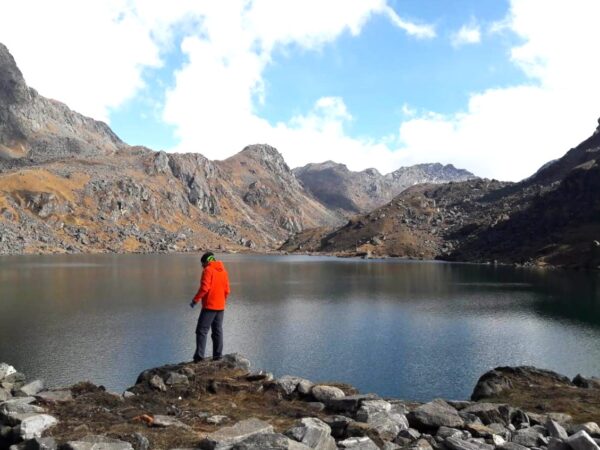
The trek also introduces travelers to natural hot springs, crystal-clear rivers, hidden waterfalls, alpine grasslands, and peaceful mountain lakes. Pangsang Pass, the highest point of the trek, rewards hikers with one of central Nepal’s most breathtaking panoramic viewpoints, making it a favorite location for sunrise and sunset photography.
With moderate trekking days and relatively lower elevations compared to many famous Himalayan routes, Ruby Valley is suitable for trekkers seeking adventure without extreme technical challenges. Whether you are a nature enthusiast, cultural explorer, photographer, or first-time Himalayan trekker looking for a quieter destination, Ruby Valley offers an unforgettable combination of wilderness, culture, and mountain beauty.
At Create Himalaya Adventure, our experienced local guides lead carefully designed Ruby Valley trekking programs that prioritize safety, cultural immersion, and responsible tourism. With more than 19 years of experience organizing trekking holidays across Nepal, we ensure every journey supports local communities while providing visitors with an authentic Himalayan experience.
Ruby Valley Trek Route
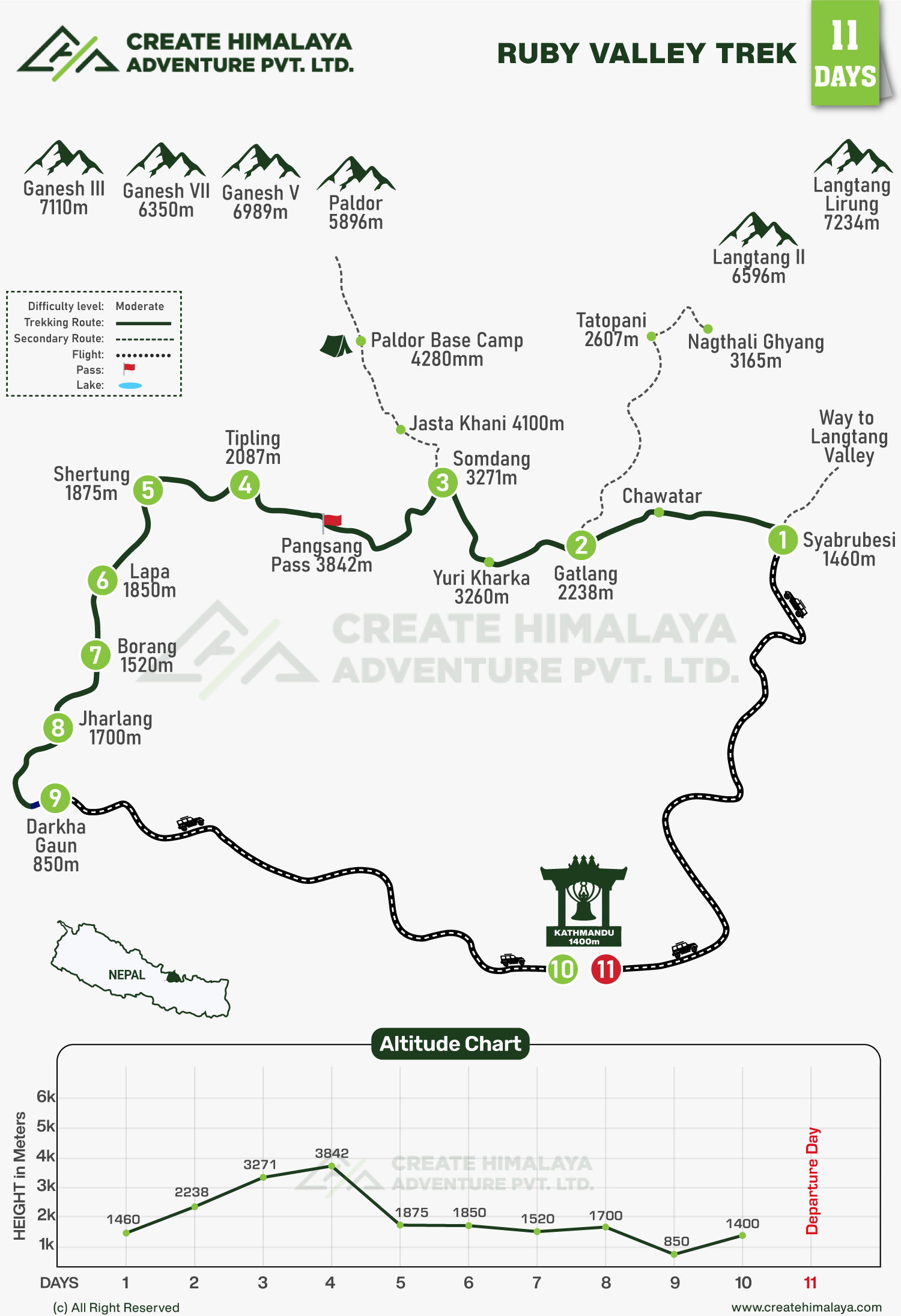
The Ruby Valley Trek begins with a scenic drive from Kathmandu to Syabrubesi, the traditional gateway to the Langtang region. From here, the trail gradually leaves the popular trekking routes behind and enters the peaceful villages of the Ruby Valley.
The journey passes through Gatlang, one of the largest Tamang settlements in the region, before continuing to Somdang, an area once known for small-scale gemstone mining. The trail then ascends to the spectacular Pangsang Pass (3,842 m), where trekkers enjoy one of the finest panoramic viewpoints overlooking Ganesh Himal, Langtang, Manaslu, and numerous surrounding peaks.
After crossing the pass, the route descends into beautiful Gurung villages, including Tipling, Shertung, and Lapa, where traditional lifestyles remain remarkably well preserved. Along the way, trekkers visit natural hot springs, cross suspension bridges, explore lush forests, and experience authentic Himalayan hospitality.
The final section of the trek gradually descends through terraced farmland and forested hills before reaching Arughat (or depending on the itinerary, Dhading Besi), where a scenic drive returns to Kathmandu.
Unlike circular trekking routes with long stretches of similar terrain, the Ruby Valley Trek offers continuously changing landscapes, making every day unique and rewarding.
Typical Route
Kathmandu → Syabrubesi → Gatlang → Somdang → Pangsang Pass → Tipling → Shertung → Lapa → Borang → Jharlang → Darkha Gaun → Dhading Besi → Kathmandu
Ruby Valley Trek Difficulty
The Ruby Valley Trek is considered a moderate trekking adventure, making it suitable for both experienced hikers and physically active beginners. While the trail does not require technical climbing skills or mountaineering experience, trekkers should be prepared for several consecutive days of walking on varied terrain.
Daily trekking usually ranges from 5 to 8 hours, following forest trails, stone staircases, mountain ridges, suspension bridges, and gradual ascents and descents. Some sections are steep, particularly on the approach to Pangsang Pass (3,842 m), but the pace can be adjusted to match the group’s fitness level.
Unlike high-altitude expeditions such as the Everest Base Camp Trek or Annapurna Circuit Trek, Ruby Valley reaches a comparatively lower maximum elevation. This significantly reduces the risk of altitude sickness while still providing spectacular Himalayan scenery.
A reasonable level of fitness, regular walking, and a positive attitude are generally sufficient to complete the trek comfortably. Preparing with light cardio exercises, hiking, or stair climbing before arriving in Nepal can make the journey even more enjoyable.
| Feature | Details |
|---|---|
| Trek Difficulty | Moderate |
| Maximum Altitude | 3,842 m (Pangsang Pass) |
| Daily Walking | 5–8 hours |
| Technical Climbing | Not required |
| Suitable For | Beginners with good fitness, families with older children, and experienced trekkers |
| Altitude Risk | Low to moderate |
Things to Do During the Ruby Valley Trek
The Ruby Valley Trek is more than a mountain walk; it is a journey through untouched Himalayan landscapes where every day offers a different experience. From panoramic viewpoints and traditional villages to natural hot springs and Buddhist heritage, the trek combines adventure, culture, and nature in one unforgettable route.
Enjoy the Spectacular Panorama from Pangsang Pass (3,842 m)
Pangsang Pass is the highest point and the most rewarding viewpoint of the Ruby Valley Trek. Standing on the broad ridge, trekkers are greeted by an incredible Himalayan panorama stretching across central Nepal. On clear days, the snow-covered peaks of Ganesh Himal, Langtang Lirung, Manaslu, Himalchuli, Boudha Himal, Annapurna II, and several surrounding mountains dominate the skyline.
Unlike many crowded viewpoints in Nepal, Pangsang Pass remains peaceful, allowing visitors to enjoy the scenery in complete tranquility. Sunrise and sunset are especially magical, as the golden light gradually illuminates the towering Himalayan peaks.
Experience Authentic Tamang and Gurung Culture
One of the greatest rewards of the Ruby Valley Trek is the opportunity to experience traditional mountain communities that have preserved their culture for generations.
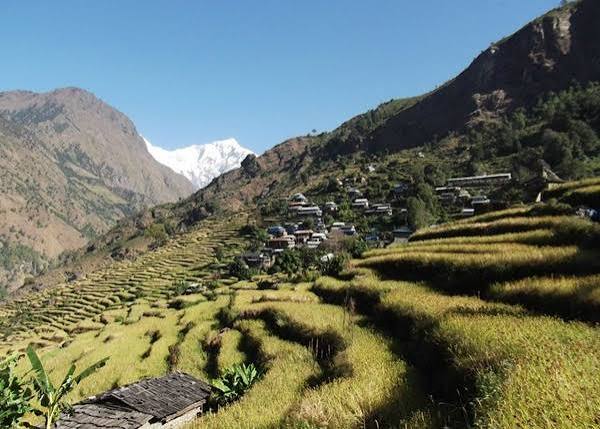
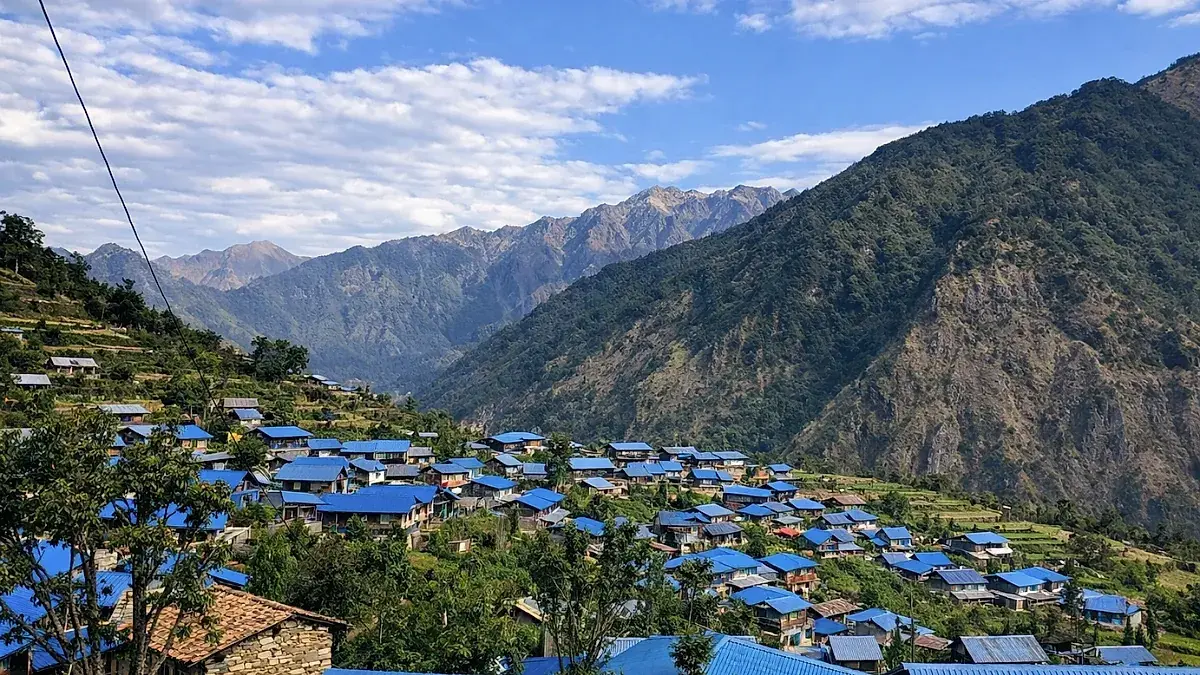
Villages such as Gatlang, Tipling, Shertung, Lapa, Borang, and Jharlang offer visitors an authentic glimpse into Himalayan life. Stone-built houses, beautifully carved wooden windows, spinning prayer wheels, colorful monasteries, and friendly local families create a welcoming atmosphere.
Trekkers can observe traditional farming, livestock herding, weaving, and daily village life while learning about Buddhist customs, local festivals, and ancient traditions that continue to shape the region.
Walk Through Rhododendron and Pine Forests
The lower sections of the trail pass through dense forests filled with rhododendron, pine, oak, bamboo, and Himalayan birch.
During spring, thousands of rhododendron flowers bloom across the hillsides, transforming the forest into a colorful natural garden. Birdsong, flowing streams, and fresh mountain air make these woodland trails some of the most peaceful sections of the trek.
The forests also provide habitat for Himalayan wildlife, making them ideal for nature lovers and birdwatchers.
Relax in Natural Hot Springs
After several days of trekking, soaking in the natural hot springs near the Ruby Valley region is a refreshing experience.
The warm mineral-rich water has long been valued by local communities for its relaxing and therapeutic qualities. Surrounded by beautiful mountain scenery, the hot springs provide a perfect place to rest tired muscles before continuing the journey.
Visit Historic Buddhist Monasteries
Throughout the trek, visitors encounter ancient monasteries, mani walls, prayer wheels, chortens, and colorful prayer flags that reflect the region’s deep Buddhist heritage.
Many monasteries are still active places of worship where monks perform daily prayers and local residents gather during religious ceremonies. These sacred sites offer peaceful moments for reflection while providing insight into the spiritual traditions of the Himalayan people.
Observe Traditional Mountain Lifestyle
Ruby Valley remains one of the few trekking regions where visitors can still witness authentic Himalayan village life.
Depending on the season, trekkers may see villagers planting crops, harvesting grain, caring for yaks and livestock, spinning wool, weaving traditional clothing, or preparing homemade dairy products.
The slower pace of life and close connection with nature create memorable cultural experiences that cannot be found in Nepal’s more commercial trekking destinations.
Capture Stunning Himalayan Photography
For photographers, Ruby Valley is an outdoor paradise.
From dramatic mountain panoramas and colorful forests to traditional villages and crystal-clear rivers, every section of the trail presents outstanding photographic opportunities. Morning mist, golden sunsets, and star-filled night skies further enhance the beauty of this hidden Himalayan landscape.
Because the route attracts relatively few trekkers, photographers can often enjoy uninterrupted views without crowds.
Watch Local Wildlife and Himalayan Birds
The forests and alpine slopes of Ruby Valley support a wide variety of wildlife and bird species.
Trekkers may encounter Himalayan monals, pheasants, eagles, mountain goats, langur monkeys, Himalayan thar, and other native animals. Spring and autumn are particularly rewarding seasons for wildlife observation.
Taste Traditional Himalayan Cuisine
Meals prepared by local teahouses introduce visitors to the authentic flavors of Nepal’s mountain communities.
Fresh vegetables, locally grown grains, homemade pickles, yak cheese, Tibetan bread, and traditional Nepali dishes provide both nourishment and cultural experiences throughout the journey.
Why Choose the Ruby Valley Trek?
Nepal is home to many famous trekking routes, but few offer the peaceful atmosphere and cultural authenticity found in Ruby Valley. This remarkable region remains largely untouched by commercial tourism, making every step feel like a true exploration rather than a crowded trekking experience.
Unlike heavily visited destinations, Ruby Valley allows trekkers to connect deeply with both nature and local communities. Traditional villages preserve their original architecture, customs, and daily lifestyles, creating meaningful cultural encounters throughout the journey. Friendly villagers welcome visitors with genuine hospitality, offering insights into mountain life that have remained unchanged for generations.
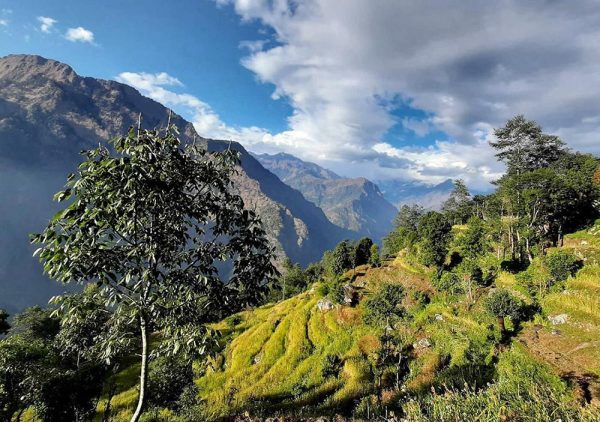
Nature lovers will appreciate the valley’s extraordinary biodiversity. The trail winds through colorful rhododendron forests, bamboo groves, alpine grasslands, and pristine river valleys while providing continuous views of the towering Ganesh Himal range. During spring, blooming rhododendrons transform the forests into vibrant landscapes, while autumn offers crystal-clear mountain panoramas and pleasant trekking weather.
Adventure seekers will enjoy the variety of terrain, from riverside trails and suspension bridges to scenic ridges and high mountain passes. Pangsang Pass stands out as the trek’s signature viewpoint, where a breathtaking Himalayan panorama unfolds across multiple mountain ranges.
The Ruby Valley Trek also supports community-based tourism. By choosing this route, trekkers contribute directly to local families through village lodges, local guides, traditional agriculture, handicrafts, and small businesses. This sustainable approach helps preserve both the natural environment and the region’s rich cultural heritage.
For travelers seeking a genuine Himalayan experience beyond Nepal’s famous trekking highways, Ruby Valley offers an exceptional blend of scenic beauty, cultural richness, peaceful trails, and unforgettable mountain adventures.
Trip Itinerary
Drive from Kathmandu to Syabrubesi
Your journey begins with a scenic drive north from Kathmandu along winding mountain highways following the Trishuli River. Passing bustling market towns, terraced hillsides, waterfalls, and traditional villages, the road gradually reaches Syabrubesi, a charming settlement nestled beside the Bhote Koshi River. After checking into your lodge, meet your trekking crew and prepare for the adventure ahead.
Trek from Syabrubesi to Gatlang
The trail climbs steadily through terraced farmland and mixed forests before reaching the beautiful Tamang village of Gatlang. Stone-paved pathways, traditional houses, Buddhist monasteries, prayer flags, and friendly villagers create an authentic Himalayan atmosphere. The surrounding mountain scenery provides an excellent introduction to the Ganesh Himal region.
Trek from Gatlang to Somdang
Today's trail passes through peaceful forests, alpine meadows, and remote grazing lands before arriving in Somdang. Historically known for its ruby and quartz deposits, this quiet mountain settlement is surrounded by dramatic landscapes and impressive views of Ganesh Himal. The cooler alpine environment offers a refreshing change as you gain elevation.
Trek from Somdang to Tipling via Pangsang Pass
Today is one of the most spectacular days of the trek. A gradual climb leads to Pangsang la Pass (3,842 m), where an unforgettable 360-degree panorama reveals Ganesh Himal, Manaslu, Langtang Lirung, Himalchuli, Boudha Himal, and Annapurna II. After spending time enjoying the scenery and taking photographs, descend through alpine forests to the picturesque Gurung village of Tipling.
Trek from Tipling to Shertung
The trail follows scenic ridges and peaceful villages before reaching Shertung, one of the cultural highlights of Ruby Valley. Traditional stone houses, Buddhist shrines, terraced fields, and smiling locals provide an excellent opportunity to experience authentic Himalayan village life.
Trek from Shertung to Lapa
Today's gentle walk connects several traditional settlements while passing cultivated farmland, suspension bridges, streams, and forest trails. Lapa is well known for preserving Tamang traditions, local festivals, and beautifully decorated monasteries that reflect the region's rich Buddhist heritage.
Trek from Lapa to Borang
The trail gradually descends through forests and terraced hillsides before reaching Borang, a peaceful mountain village surrounded by fertile farmland. Along the way, enjoy beautiful valley views and opportunities to observe local agricultural life.
Trek from Borang to Jharlang
Today's walk combines scenic woodland trails with traditional mountain villages. Jharlang offers magnificent landscapes and another chance to experience the warm hospitality of local communities while learning about their customs and daily life.
Trek from Jharlang to Darkha Gaun
The route descends steadily through forests, rivers, and terraced hills before reaching Darkha Gaun. The warmer climate and changing vegetation signal your gradual return from the high Himalayan region.
Drive from Darkha Gaun to Kathmandu
After breakfast, begin the scenic drive back to Kathmandu through beautiful countryside, traditional villages, and river valleys. Upon arrival, transfer to your hotel and enjoy a relaxing evening after completing an unforgettable Himalayan adventure.
Final Departure
Depending on your flight schedule, our representative from **Create Himalaya Adventure** will transfer you to Tribhuvan International Airport for your onward journey. Your Ruby Valley Trek concludes with unforgettable memories of hidden Himalayan villages, breathtaking mountain panoramas, and authentic cultural experiences
Not Satisfied with This Itinerary?
Every traveler is different. Customize this trip with the help of our local travel specialists and create an itinerary that perfectly matches your interests, schedule, and budget.
What's included
- Airport Transfers: Airport pick-up and drop-off services in Kathmandu as per the trip itinerary.
- Ground Transportation: Comfortable private or shared ground transportation as specified in the itinerary.
- Accommodation: Twin-sharing teahouse accommodation throughout the trek.
- Meals: Three fresh meals a day (breakfast, lunch, and dinner) during the trekking period, along with seasonal fruits.
- Professional Trek Leader: Experienced, government-licensed, English-speaking trekking guide.
- Porter Service: One strong and reliable porter shared between two trekkers to carry luggage during the trek.
- Support Staff: All expenses for guides and porters, including salaries, insurance, meals, accommodation, and transportation.
- Trekking Permits: All required trekking permits and official documentation, including the Langtang National Park Entry Permit and Local Rural Municipality Entry Permit (if applicable).
- Safety Equipment: Comprehensive first-aid kit carried by the trekking guide throughout the trek.
- Trekking Gear: Complimentary use of a sleeping bag and down jacket during the trek (to be returned after the trip if required), along with a duffel bag.
- Souvenirs: Official trekking route map.
- Farewell Dinner: Traditional farewell dinner in Kathmandu after the trek.
- Government Taxes: All applicable government taxes, local taxes, and service charges.
What's not included
- International Airfare: International flights to and from Nepal.
- Nepal Entry Visa: Nepal visa fees and related charges.
- Travel Insurance: Comprehensive travel insurance covering high-altitude trekking, medical treatment, emergency rescue, and helicopter evacuation.
- Personal Trekking Equipment: Personal clothing, trekking gear, and other individual equipment not mentioned in the included section.
- Additional Accommodation: Extra hotel nights in Kathmandu due to early arrival, late departure, flight delays, or early return from the trek.
- Personal Services: Hot showers, Wi-Fi, battery charging, laundry services, and other personal facilities at teahouses.
- Beverages and Snacks: Alcoholic drinks, soft drinks, bottled water, snacks, desserts, and other personal refreshments.
- Personal Expenses: Any personal expenses not specifically mentioned in the included section.
- Tips and Gratuities: Tips for trekking guides, porters, and other support staff (highly appreciated but optional).
Map
Best Time for the Ruby Valley Trek
The Ruby Valley Trek can be enjoyed during most trekking seasons, but spring and autumn provide the most favorable weather and mountain views.
Spring (March to May)
Spring is one of the finest seasons for Ruby Valley.
Comfortable temperatures, blooming rhododendron forests, colorful wildflowers, and excellent mountain visibility create ideal trekking conditions. Wildlife is also more active during this period, making it an excellent season for photographers and nature lovers.
Advantages
- Stable weather
- Blooming rhododendron forests
- Excellent visibility
- Comfortable daytime temperatures
- Beautiful landscapes for photography
Summer/Monsoon (June to August)
Summer brings frequent rainfall, especially in lower elevations.
The forests become lush and green, waterfalls are at their most impressive, and the countryside appears vibrant. However, muddy trails, leeches, and occasional landslides may affect travel.
Experienced trekkers seeking solitude may still enjoy this season with proper preparation.
Autumn (September to November)
Autumn is widely regarded as the best season for the Ruby Valley Trek.
Following the monsoon, the skies become exceptionally clear, offering spectacular panoramic views of the Himalayas. Pleasant temperatures and stable weather make trekking comfortable throughout the day.
Autumn also coincides with major Nepali festivals, allowing visitors to experience local celebrations and cultural traditions.
Winter (December to February)
Winter offers peaceful trekking trails and crisp mountain views.
Higher elevations around Pangsang Pass may receive snowfall, creating stunning winter landscapes. Temperatures become considerably colder, particularly during the night, so proper winter clothing is essential.
Trekkers who enjoy quiet trails and snow-covered scenery often find winter especially rewarding.
Best Trekking Months
March, April, October, and November are generally considered the best months for the Ruby Valley Trek due to their combination of stable weather, comfortable temperatures, and excellent Himalayan visibility.
Food and Accommodation on the Ruby Valley Trek
Although Ruby Valley is a remote trekking destination, local communities provide comfortable teahouse accommodation and freshly prepared meals throughout the route.
Unlike luxury trekking regions, the focus here is on authentic hospitality rather than modern facilities. Staying in family-operated lodges allows visitors to experience local culture while directly supporting village economies.
Accommodation
Most overnight stays are in traditional teahouses or community lodges.
Rooms are generally simple, clean, and comfortable, with twin beds, mattresses, pillows, and warm blankets. Bathrooms are usually shared, although some villages may offer private facilities depending on availability.
Electricity is available in most villages, but charging electronic devices may require a small additional fee. Mobile phone coverage is limited in remote sections, and Wi-Fi is only available in a few settlements.
The simplicity of the accommodation is part of the charm, allowing trekkers to experience genuine Himalayan village life.
Food
Meals are freshly prepared using locally sourced ingredients whenever possible.
Popular dishes include:
- Dal Bhat (rice, lentil soup, seasonal vegetables, and pickles)
- Fried rice
- Vegetable noodles
- Tibetan bread
- Chapati
- Momos (Nepali dumplings)
- Garlic soup
- Thukpa (Tibetan noodle soup)
- Sherpa stew
- Pancakes
- Porridge
- Eggs prepared in various styles
- Pasta
- Macaroni
- Seasonal vegetables
- Fresh potatoes
- Yak cheese (available in some villages)
- Tea, coffee, hot lemon, ginger tea, and hot chocolate
Dal Bhat remains the preferred meal for many trekkers because it is nutritious, filling, and often comes with unlimited refills in many teahouses.
Vegetarian meals are widely available, while meat dishes are less common in higher villages due to transportation limitations.
Transportation for the Ruby Valley Trek
The adventure begins with a scenic overland journey from Kathmandu to Syabrubesi, the traditional gateway to the Ruby Valley Trek. The drive follows the Trishuli River through picturesque hills, terraced farms, and rural settlements before reaching the starting point.
At the end of the trek, travelers usually return to Kathmandu by road from Darkha Gaun via Dhading Besi, enjoying another scenic drive through the mid-hills of central Nepal.
Depending on the group size and travel preference, transportation options include:
- Private tourist jeep
- Private car
- Local jeep
- Public bus (budget option)
A private jeep is the most recommended option, offering greater comfort, flexibility, and shorter travel times on Nepal's mountain roads.
Essential Packing List for the Ruby Valley Trek
Packing wisely is key to enjoying a safe and comfortable trek. Weather conditions can change quickly in the Himalayas, so layered clothing and reliable gear are essential.
Clothing
- Moisture-wicking base layers
- Fleece jacket
- Down jacket
- Waterproof and windproof jacket
- Waterproof trekking pants
- Comfortable trekking trousers
- Thermal innerwear (spring and autumn optional; winter essential)
- Warm hat
- Sun hat
- Gloves
- Warm socks
- Lightweight camp shoes
Footwear
- Waterproof trekking boots with good ankle support
- Comfortable sandals or slippers for the evenings
- Extra boot laces
Trekking Equipment
- Backpack (30–40 liters)
- Duffle bag (provided by Create Himalaya Adventure if required)
- Sleeping bag (rated for cold conditions)
- Trekking poles
- Rain cover
- Headlamp with spare batteries
- Reusable water bottles
- Water purification tablets or filter
Personal Items
- Sunscreen (SPF 50+)
- Lip balm
- Sunglasses with UV protection
- Personal toiletries
- Quick-dry towel
- Personal medications
- Basic first aid supplies
- Wet wipes and hand sanitizer
- Power bank
- Camera or smartphone
Being well prepared allows you to fully enjoy the natural beauty, cultural richness, and peaceful atmosphere of the Ruby Valley Trek while ensuring comfort throughout the journey.
Ruby Valley Trek Cost
The cost of the Ruby Valley Trek depends on several factors, including the trek duration, group size, transportation, accommodation standard, guide and porter services, and the level of customization. Since Ruby Valley is a remote trekking destination, logistics are carefully arranged to ensure a safe and comfortable experience while supporting local communities.
A well-organized trekking package generally includes permits, private or shared transportation, licensed trekking guides, porter services, teahouse accommodation, meals during the trek, airport transfers, and government taxes. Choosing a local trekking company also provides valuable insight into the region's culture and helps ensure that your trip directly benefits the villages you visit.
At Create Himalaya Adventure, we offer flexible Ruby Valley Trek packages for solo travelers, couples, families, and private groups. Whether you prefer a standard teahouse trek or a fully customized itinerary combined with Langtang or Ganesh Himal, our team can tailor the journey to match your travel style, schedule, and budget.
Ruby Valley Trek Permits
Although Ruby Valley remains one of Nepal's quieter trekking destinations, visitors must obtain the necessary permits before entering the protected region.
Langtang National Park Entry Permit
Since part of the Ruby Valley trekking route lies close to the Langtang protected area, trekkers require a Langtang National Park Entry Permit.
Permit Fee
- Foreign Nationals: NPR 3,000
- SAARC Nationals: NPR 1,500
- Nepali Citizens: NPR 100
Local Municipality Entry Permit
Some sections of the Ruby Valley Trek may require a local rural municipality or community conservation fee depending on the latest local regulations and trekking route.
When booking with Create Himalaya Adventure, we arrange all required permits before your trek begins, allowing you to focus entirely on enjoying your Himalayan adventure.
Note: Permit regulations and fees may change over time. It is always advisable to verify the latest requirements before your trip.
Travel Insurance for the Ruby Valley Trek
Travel insurance is strongly recommended for anyone planning the Ruby Valley Trek.
Although the trek reaches a moderate altitude, weather conditions and mountain environments can change quickly. A comprehensive insurance policy provides financial protection and peace of mind in case of unexpected situations.
Your insurance should ideally cover:
- Emergency helicopter evacuation.
- High-altitude trekking (minimum 4,000 meters).
- Medical treatment and hospitalization.
- Accidental injury.
- Trip cancellation or interruption.
- Lost or delayed baggage.
- Personal liability.
Before traveling to Nepal, carefully review your policy to ensure trekking activities are fully covered.
Responsible Trekking in Ruby Valley
Ruby Valley is one of Nepal's most environmentally and culturally sensitive trekking destinations. Responsible travel helps preserve its pristine landscapes while supporting the people who call these mountains home.
At Create Himalaya Adventure, we believe that every trek should leave a positive impact on both visitors and local communities.
During the trek, we encourage all travelers to:
- Respect local customs, traditions, and religious sites.
- Avoid single-use plastic bottles whenever possible.
- Carry reusable water bottles and purification systems.
- Dispose of waste responsibly.
- Stay on established trekking trails.
- Support locally owned teahouses and small businesses.
- Purchase handmade local products whenever possible.
- Ask permission before photographing local people.
- Protect wildlife and avoid disturbing natural habitats.
- Minimize environmental impact by following Leave No Trace principles.
Responsible trekking helps preserve Ruby Valley's natural beauty and cultural heritage for future generations.
Why Choose Create Himalaya Adventure for the Ruby Valley Trek?
Your trekking experience depends not only on the destination but also on the team guiding your journey. At Create Himalaya Adventure, we combine local knowledge, professional service, and years of Himalayan experience to create safe, enjoyable, and memorable adventures.
With over 19 years of experience in Nepal's trekking industry, we have successfully guided thousands of trekkers across the Himalayas while maintaining a strong commitment to responsible tourism and personalized service.
Local Experts with Extensive Experience
Our guides are licensed, highly experienced, and deeply familiar with the Ruby Valley region. Their local knowledge ensures safer trekking while introducing you to hidden viewpoints, cultural traditions, and lesser-known attractions that many visitors miss.
Carefully Designed Itineraries
Every itinerary is thoughtfully planned to balance walking hours, acclimatization, cultural exploration, and scenic experiences. We focus on creating enjoyable journeys rather than rushing from one destination to another.
Safety Comes First
Your safety is our highest priority.
Our guides carry first-aid kits, monitor trekkers' health throughout the journey, and are trained to respond effectively to mountain emergencies. We also monitor weather and trail conditions to make informed decisions throughout the trek.
Personalized Service
Whether you are traveling alone, with friends, or as a family, we customize every trip according to your interests, schedule, and fitness level.
Our flexible approach allows you to enjoy a trekking experience that feels truly personal.
Fair Pricing with Excellent Value
We believe that quality trekking should remain affordable.
Our transparent pricing includes essential services without hidden costs, giving you excellent value while maintaining high standards of safety and comfort.
Supporting Local Communities
As a Nepal-based trekking company, we work closely with local guides, porters, family-run teahouses, and village communities. Your journey contributes directly to local employment and sustainable tourism development in the Ruby Valley region.
Sustainable and Responsible Tourism
Environmental conservation and cultural preservation are central to our philosophy. We encourage eco-friendly trekking practices and promote tourism that benefits both visitors and local residents.
24/7 Customer Support
From your first inquiry until your departure from Nepal, our dedicated team is available to assist with trip planning, equipment advice, transportation, permits, and any questions you may have.
When you trek with Create Himalaya Adventure, you are not simply booking a holiday—you are choosing a trusted local team committed to delivering an authentic Himalayan experience with professionalism, care, and genuine hospitality.
FAQs
1. Is the Ruby Valley Trek less crowded than the Langtang Valley Trek?
Yes. Ruby Valley receives significantly fewer trekkers than Langtang Valley, making it an excellent choice for travelers seeking peaceful trails, quiet villages, and a more authentic Himalayan experience.
2. Can I see Ganesh Himal during the Ruby Valley Trek?
Absolutely. The trek offers some of the best close-up views of the Ganesh Himal range, especially from Pangsang Pass, where several snow-capped peaks dominate the northern horizon.
3. Are there natural hot springs along the Ruby Valley Trek?
Yes. Depending on the itinerary, trekkers can visit natural hot springs where they can relax after several days of hiking through the mountains.
4. What makes Ruby Valley different from other trekking regions in Nepal?
Ruby Valley combines untouched nature, rich Tamang and Gurung culture, fewer tourists, and spectacular mountain scenery. It offers a genuine village experience that differs from Nepal's more commercial trekking routes.
5. Is the Ruby Valley Trek suitable for solo travelers?
Yes. Solo trekking is possible, but hiring a licensed guide is highly recommended due to the remote nature of the trail and limited trail traffic.
6. Are there ATMs available during the trek?
No. There are no reliable ATMs along the trekking route. Trekkers should withdraw sufficient Nepalese Rupees in Kathmandu before starting the journey.
7. Can I buy bottled water during the trek?
Yes, bottled water is available in many villages, but using a reusable bottle with water purification tablets or a filter is a more environmentally friendly and cost-effective option.
8. Is drinking water safe during the Ruby Valley Trek?
Tap water should always be purified before drinking. Most trekkers use purification tablets, portable water filters, or boiled water provided by teahouses.
9. Are there charging facilities for cameras and mobile phones?
Most teahouses provide charging services, although availability may vary in remote villages. A small fee is usually charged for electricity usage.
10. Can families with children do the Ruby Valley Trek?
Yes. Families with older children who enjoy hiking can complete the trek successfully, especially with a well-planned itinerary and gradual walking pace.
11. Is camping required during the Ruby Valley Trek?
No. The standard route uses locally operated teahouses and community lodges, so camping equipment is generally unnecessary.
12. What wildlife can be spotted in the Ruby Valley region?
Trekkers may encounter Himalayan Monals, musk deer, langur monkeys, Himalayan thar, colorful pheasants, eagles, and numerous native bird species.
13. Is tipping expected for guides and porters?
Tipping is not mandatory but is greatly appreciated. It is a traditional way to recognize the hard work and dedication of your trekking staff.
14. Can I customize the Ruby Valley Trek itinerary?
Yes. The itinerary can be shortened, extended, or combined with nearby trekking regions to match your fitness level, schedule, and travel interests.
15. Are there monasteries to visit during the trek?
Yes. Several traditional Buddhist monasteries, prayer wheels, mani walls, and chortens are found throughout the villages, offering valuable insight into local spiritual traditions.
No hidden fees • Best price guarantee