
Tengboche Monastery: History, Height, Culture and Location
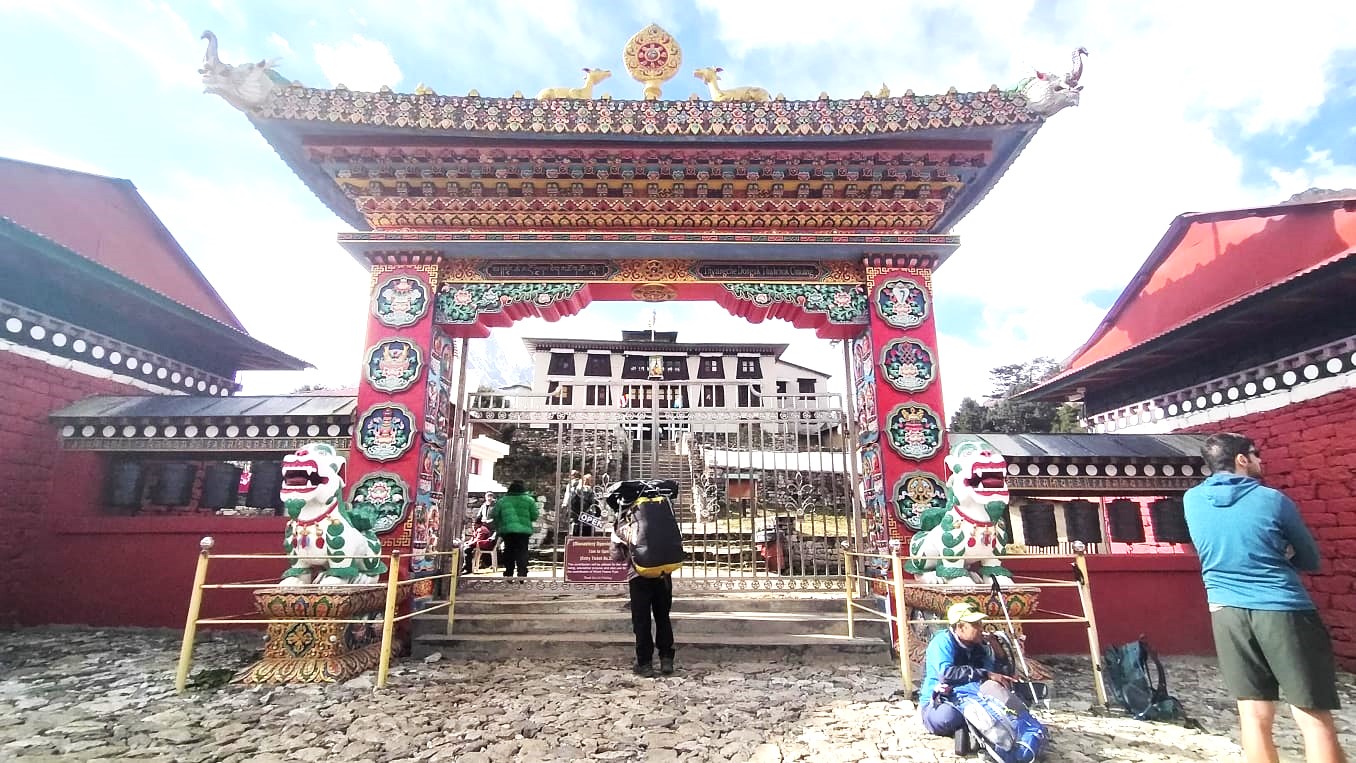
High in Nepal’s Khumbu Valley, where forested hills rise toward the world’s highest mountains, Tengboche Monastery stands as a remarkable symbol of faith, history, and Sherpa identity. For travelers heading toward Everest Base Camp, reaching Tengboche is not simply another stage of the trek. It is a chance to pause among the mountains, discover an important Buddhist heritage site, and experience the cultural character of the Everest region.
Tengboche Monastery is located at about 3,867 meters (12,687 feet) above sea level. Its position on a beautiful ridge provides an extraordinary setting, with Ama Dablam appearing dramatically across the valley and several other major Himalayan peaks visible on clear days. The peaceful surroundings, traditional Buddhist atmosphere, and long association with the Sherpa community have made Tengboche one of the most memorable places to visit in the Everest region.
Introduction to Tengboche Monastery
Tengboche Monastery, also called Dawa Choling Gompa, is one of the most important Buddhist monasteries in the Khumbu region. It is not a museum preserved only for visitors; it remains a functioning religious center where monks continue their spiritual practices, prayers, ceremonies, and studies.
The monastery is associated with the Nyingma school of Tibetan Buddhism and has maintained a strong spiritual relationship with the Buddhist traditions of the Himalayan region. Its location adds another dimension to the experience. The building sits above the surrounding valley, while forests, high mountains, prayer flags, stone walls, and traditional Sherpa settlements create a distinctly Himalayan atmosphere.
Many trekkers remember Tengboche not because it is the highest point of their journey, but because it provides an important cultural moment before the trail moves farther into the high-altitude landscape. The transition from the busy trekking routes around Namche toward the quieter upper Khumbu becomes particularly noticeable here.
When Was Tengboche Monastery Established?
The history of the monastery dates back to 1916, when Lama Gulu established Tengboche Monastery. Its development was connected with the wider Buddhist tradition of the region and with spiritual guidance associated with Ngawang Tenzin Norbu, who was connected to Rongbuk Monastery in Tibet.
The establishment of Tengboche was closely linked to the local Sherpa community. The monastery did not develop independently from the people living around it. Local residents supported its construction and helped establish it as an important religious institution in the Khumbu.
Tengboche has also experienced difficult periods. An earthquake in 1934 caused severe destruction, requiring the monastery to be rebuilt. Decades later, another tragedy occurred when a major fire in 1989 destroyed the monastery and many irreplaceable religious materials. The building was reconstructed again with support from monks, local people, and well-wishers.
Because of these events, the present monastery represents more than an old Himalayan building. Its story reflects the persistence of a community determined to protect its religious heritage despite natural disasters and other challenges.
Why Is Tengboche Monastery Important?
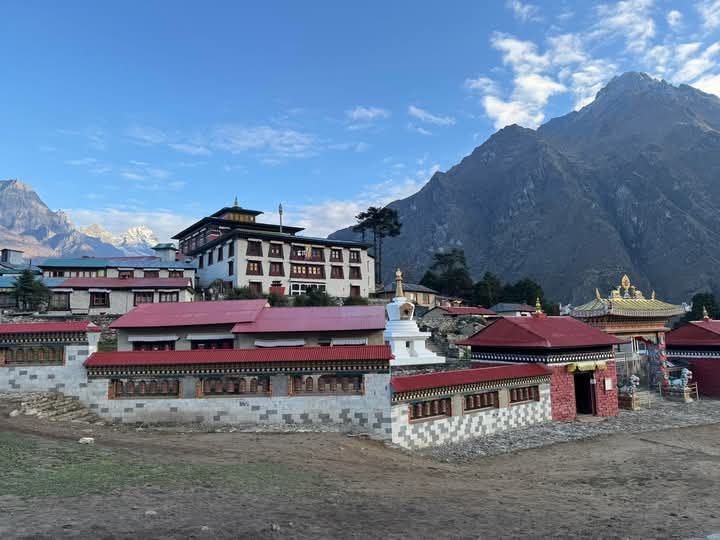
The significance of Tengboche Monastery comes from several elements coming together in one place. It is a religious center, an important part of Sherpa history, a cultural landmark, and a familiar stop for people traveling toward Mount Everest.
For the Sherpa people of Khumbu, Buddhism is deeply connected with everyday life. Monasteries, prayer flags, mani walls, sacred symbols, and religious ceremonies form part of the cultural landscape. Tengboche has therefore played an important role in maintaining these traditions and passing them from one generation to another.
The monastery also has a special connection with mountaineering. Climbers and trekking groups traveling toward Everest have traditionally visited monasteries in the region to receive blessings and express respect before continuing into the mountains. This connection between spiritual practice and Himalayan adventure gives Tengboche a character that is difficult to find elsewhere.
For international visitors, the monastery provides an opportunity to understand that the Everest region is not defined only by high peaks and trekking trails. Behind the famous mountain scenery is a living culture with its own history, beliefs, customs, and traditions.
Height and Location of Tengboche Monastery
Tengboche Monastery stands at approximately 3,867 meters (12,687 feet) above sea level. It is located in the Khumbu region of Solukhumbu District, within Sagarmatha National Park.
Its location is one of the major reasons the monastery is so popular. The settlement occupies a ridge surrounded by valleys and mountains, giving visitors an expansive view of the Himalayan landscape. Ama Dablam is particularly impressive from Tengboche, while clear conditions can reveal Everest, Lhotse, Nuptse, and other surrounding peaks.
The elevation is also an important consideration for trekkers. By the time travelers reach Tengboche, they have already gained considerable altitude from Lukla and Namche Bazaar. Walking slowly, drinking enough water, eating properly, and following a sensible acclimatization plan can make the journey more comfortable.
Tengboche is therefore both a cultural destination and an important altitude point on the Everest Base Camp trekking route.
How to Get to Tengboche Monastery
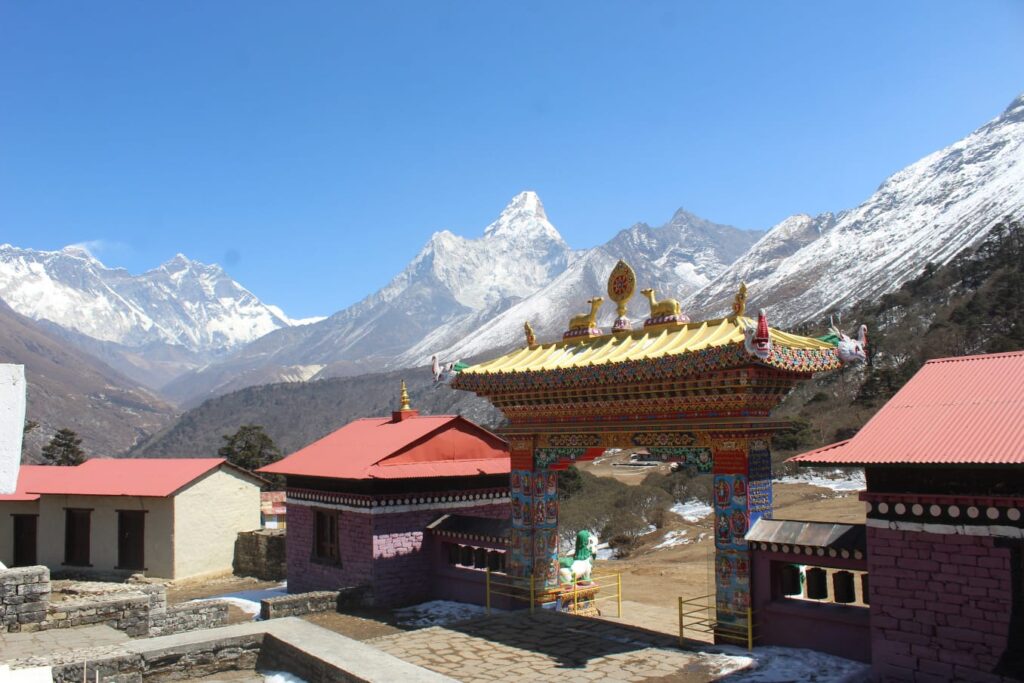
Most visitors reach Tengboche as part of an Everest Base Camp trek or another trekking itinerary in the Khumbu region. The classic journey begins with a flight from Kathmandu to Lukla, followed by several days of walking through mountain villages and valleys.
After Lukla, trekkers generally pass through settlements such as Phakding before continuing toward Namche Bazaar. Namche is an important acclimatization point and is normally given enough time for the body to adjust to the increasing elevation.
From Namche, the trail toward Tengboche offers a mixture of mountain scenery and forested landscapes. The route eventually descends toward Phunki Tenga, beside the Dudh Koshi River, before climbing again toward Tengboche. The final uphill section can feel demanding because of the altitude, but the arrival at the monastery is rewarding.
There is no road running directly to Tengboche Monastery. The final section must be completed on foot, which is an important part of the experience. The gradual approach through the forest allows travelers to appreciate the changing landscape rather than arriving suddenly by vehicle.
Sherpa Culture and Buddhist Traditions
A visit to Tengboche offers an opportunity to see how Sherpa culture and Himalayan Buddhism are closely connected. Religious traditions are visible throughout the surrounding landscape, from colorful prayer flags and mani stones to monasteries, chortens, and ceremonial practices.
The monastery remains an important gathering place for religious activities. Monks follow daily routines involving prayers and Buddhist teachings, while major ceremonies bring together people from surrounding communities.
Visitors should approach the monastery with the same respect they would show at any active place of worship. Speaking quietly, dressing appropriately, avoiding unnecessary disturbance during ceremonies, and following instructions from monastery staff are simple ways to respect the local culture.
The experience becomes more meaningful when travelers look beyond photography. Taking time to observe the surroundings, understand the symbols, and appreciate the role of the monastery in community life offers a deeper connection with the Khumbu.
Mani Rimdu: Tengboche’s Most Celebrated Festival
Among the cultural events associated with Tengboche, Mani Rimdu is undoubtedly one of the best known. This Buddhist festival brings a special energy to the normally peaceful monastery and surrounding settlement.
Mani Rimdu includes prayers, religious rituals, traditional dances, music, and ceremonial performances. Monks wear elaborate costumes and masks during particular rituals, creating a fascinating cultural spectacle. For local communities, however, the festival is much more than entertainment. It is a significant religious occasion with deep spiritual meaning.
The festival normally takes place according to the Tibetan Buddhist lunar calendar, so its exact dates change from year to year. Travelers who specifically want to experience Mani Rimdu should check the festival calendar before arranging their Everest trek.
Visiting Tengboche during this period can provide an especially rich cultural experience, although the area may also be busier than during ordinary trekking days.
How Long Does It Take to Reach Tengboche?
The time required to reach Tengboche depends on the starting point and the traveler’s walking speed. From Namche Bazaar to Tengboche, most trekkers should allow approximately five to six hours for the journey.
The trail is not simply an uphill walk. There are sections of descent and level walking before the route climbs toward Tengboche. The final ascent from Phunki Tenga can be tiring, particularly because the altitude is already significant.
Travelers starting from Lukla normally need several trekking days to reach Tengboche. A common itinerary includes Lukla to Phakding, Phakding to Namche Bazaar, an acclimatization day around Namche, and then the trek from Namche to Tengboche.
The number of days can vary according to the itinerary. Experienced trekkers may move faster, while travelers who want a more comfortable and altitude-conscious journey may spend additional time acclimatizing.
Things to See and Experience at Tengboche
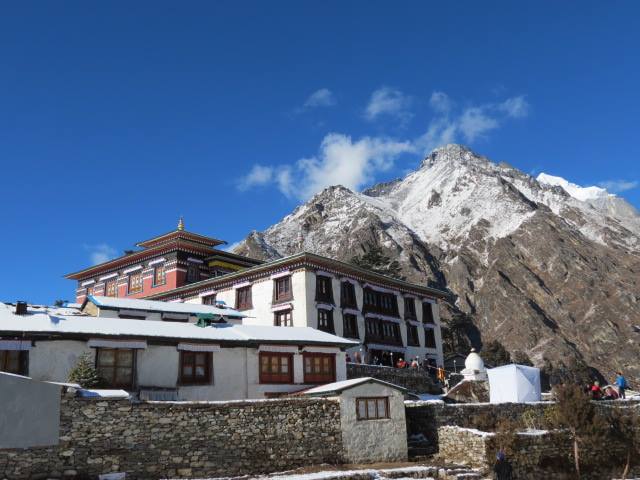
The monastery is naturally the main attraction, but the experience of Tengboche extends beyond the building itself. The surrounding landscape provides one of the most beautiful settings anywhere along the Everest Base Camp route.
Visitors can explore the monastery, observe its traditional religious architecture, and learn about its role in the local community. When religious activities are taking place, visitors may be able to observe them from appropriate areas without disturbing the proceedings.
The mountain panorama is another major attraction. The distinctive profile of Ama Dablam dominates the scenery, while the surrounding Himalayan peaks create an impressive backdrop. The forests around Tengboche also add a softer contrast to the rugged mountains above.
Walking around the settlement, observing traditional Buddhist features, meeting local residents, and spending a quiet moment near the monastery can make the stop more rewarding than simply arriving, taking photographs, and leaving.
Best Time to Visit Tengboche Monastery
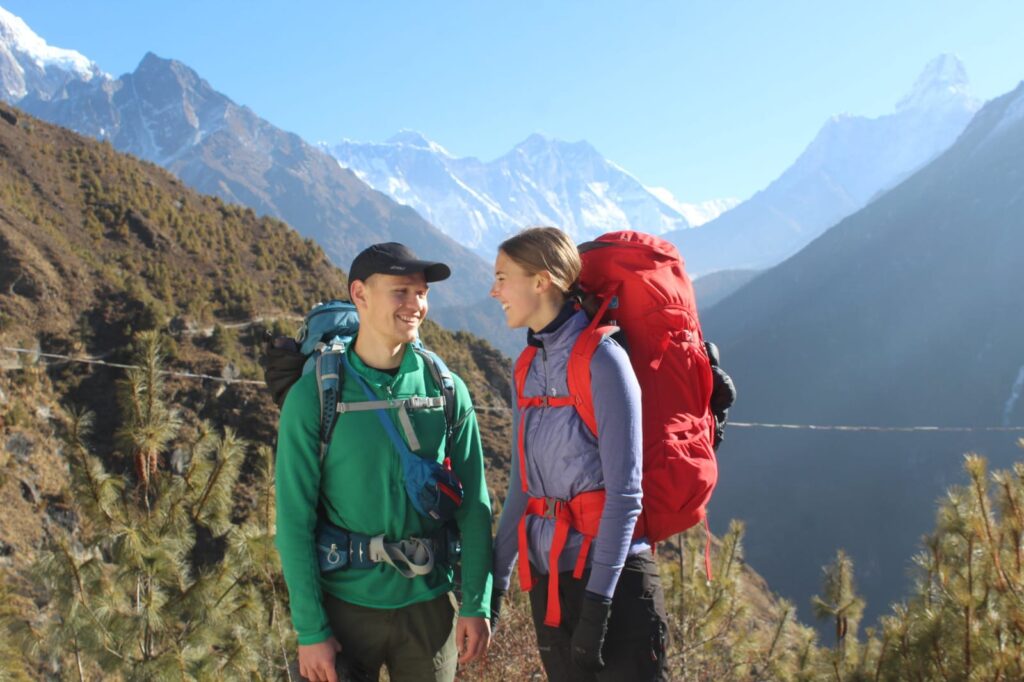
The most popular periods for visiting Tengboche are spring and autumn, when trekking conditions in the Everest region are generally favorable.
During spring, from March to May, warmer conditions gradually return to the mountains. Rhododendron forests can add vibrant color to sections of the trail, and the combination of blooming vegetation and snowy peaks creates excellent scenery.
Autumn, particularly September to November, is another preferred trekking season. The monsoon has generally cleared the atmosphere, and mountain visibility is often better. This period is also significant for travelers hoping to experience Mani Rimdu, depending on the festival calendar for the particular year.
Winter brings much colder temperatures and possible snow, while the monsoon season can produce wet trails, clouds, and reduced mountain visibility. Even so, Tengboche can be visited outside the busiest seasons by trekkers who are properly prepared and understand the changing mountain conditions.
Conclusion
Tengboche Monastery is one of those Himalayan destinations where the journey and the destination are equally meaningful. Its location at around 3,867 meters, its long religious history, its connection with Sherpa culture, and its spectacular mountain surroundings have made it an essential cultural stop on the Everest Base Camp route.
The monastery’s history also tells a powerful story of resilience. After being damaged by an earthquake and later destroyed by fire, it was rebuilt and continues to serve the Buddhist community of Khumbu. Its survival reflects the determination of local people to protect a place that carries generations of spiritual and cultural memory.
For trekkers, Tengboche offers something that a mountain viewpoint alone cannot provide. It creates a moment to slow down and appreciate the people, beliefs, traditions, and history that have shaped life in the Everest region. Whether visited during a quiet trekking season or during the vibrant Mani Rimdu festival, Tengboche Monastery adds a cultural dimension to the journey toward Everest that makes the adventure considerably more meaningful.
Frequently Asked Questions About Tengboche Monastery
Is Tengboche Monastery open to foreign visitors?
Yes, travelers can visit Tengboche Monastery during the trekking season. However, it is an active Buddhist monastery, so visitors should respect prayer times, religious ceremonies, restricted areas, and instructions from the monks. The experience is best approached as a spiritual and cultural visit rather than simply a sightseeing stop.
Do I need a permit to visit Tengboche Monastery?
You do not need a separate permit specifically for entering Tengboche Monastery. However, international trekkers traveling through the Everest region need the permits required for the Sagarmatha National Park and Khumbu area. These are normally arranged as part of an organized trekking package or obtained through the appropriate local authorities.
Can I stay overnight near Tengboche Monastery?
Yes. There are teahouses and lodges in the Tengboche area where trekkers can spend the night. Accommodation is generally simple and designed for trekkers, with basic rooms, shared facilities in many places, dining areas, and hot meals. During peak trekking months, booking ahead can be useful because the number of rooms is limited.
Is there a monastery entrance fee at Tengboche?
A small contribution or entrance charge may be requested for visitors entering the monastery. The amount and collection practice can change, so it is better to confirm locally rather than relying on an outdated figure. Any contribution should be treated as support for the preservation and operation of the religious site.
Can I take photographs inside Tengboche Monastery?
Photography rules can vary depending on the area and whether religious activities are taking place. Outdoor photography is generally easier, while photography inside prayer halls or during ceremonies may be restricted. Always look for signs or ask permission before taking photographs of monks, religious objects, or rituals.
Is Tengboche suitable for first-time Everest trekkers?
Yes, Tengboche can be visited by first-time trekkers who are reasonably fit and follow a well-planned itinerary. The greater concern is not technical climbing but altitude and sustained uphill walking. Taking adequate acclimatization time around Namche Bazaar and maintaining a comfortable pace can make the journey much more manageable.
What mountains can be seen from Tengboche?
The scenery around Tengboche is one of the major highlights of the visit. Ama Dablam is particularly prominent, while views toward Mount Everest, Lhotse, Nuptse, Thamserku, Kangtega and other Himalayan peaks may be possible in clear weather. Mountain visibility depends heavily on season and daily weather conditions.
Is there electricity at Tengboche?
Electricity is available in the Tengboche area, although the supply may not be as consistent as in Kathmandu or other major towns. Lodges generally provide basic charging facilities, sometimes for an additional fee. Carrying a power bank is a practical idea, particularly if you depend on your phone for navigation, photography, or communication.
Is mobile network available around Tengboche Monastery?
Mobile connectivity can be available around Tengboche, but coverage and reliability can vary according to the network, weather, and exact location. Trekkers should not expect the same level of connectivity found in cities. If communication is important, it is wise to inform family or friends that connectivity may occasionally be interrupted.
What kind of food can trekkers find in Tengboche?
Teahouses and lodges around Tengboche serve a mixture of traditional Nepali dishes and familiar trekking meals. Dal bhat, noodles, soups, pasta, potatoes, eggs, Tibetan-style bread and momos are commonly found along the Everest trekking route. Dal bhat is particularly popular because it provides a filling combination of rice, lentils, vegetables, and other side dishes.
Is Tengboche Monastery difficult to reach?
Reaching Tengboche is considered a moderate trekking challenge rather than a technical mountaineering objective. The route from Namche involves a substantial descent followed by an uphill climb toward Tengboche. The altitude makes the walk more demanding than the distance alone suggests, so slow and steady walking is preferable.
What should I pack for a visit to Tengboche?
Travelers should prepare for changing Himalayan weather. Warm layers, a waterproof jacket, comfortable trekking shoes or boots, gloves, sunglasses, sunscreen, a water bottle, personal medication, and a headlamp are useful. Since Tengboche is above 3,800 meters, having suitable cold-weather clothing is particularly important, especially in the morning and evening.
Can I visit Tengboche Monastery without doing the Everest Base Camp Trek?
Yes. You do not have to continue all the way to Everest Base Camp to visit Tengboche. Several trekking itineraries focus on the Tengboche and Everest viewpoint experience, allowing travelers to explore the monastery and surrounding Himalayan scenery before returning toward Lukla. This can be a good option for visitors with limited time.
What makes Tengboche different from other monasteries in Nepal?
Tengboche’s uniqueness comes from its combination of spiritual heritage and extraordinary mountain surroundings. Few monasteries are positioned on an established trekking route with such close views of the high Himalayas. Its connection with Sherpa communities, Everest expeditions, and the Mani Rimdu festival further distinguishes it from many other Buddhist sites in Nepal.
Is it worth visiting Tengboche if I am only interested in mountains?
Definitely. Even travelers who are not particularly interested in religion can find Tengboche worthwhile because the monastery sits in an exceptional Himalayan setting. The combination of Ama Dablam views, forest trails, Sherpa villages, Buddhist architecture, and peaceful surroundings makes the stop an important part of the Everest region experience.
Ramchandra Lamichhane
Trekking Expert
No hidden fees • Local experts • Best price guarantee