
Best Time for Annapurna Base Camp Trek: A Complete Seasonal Guide
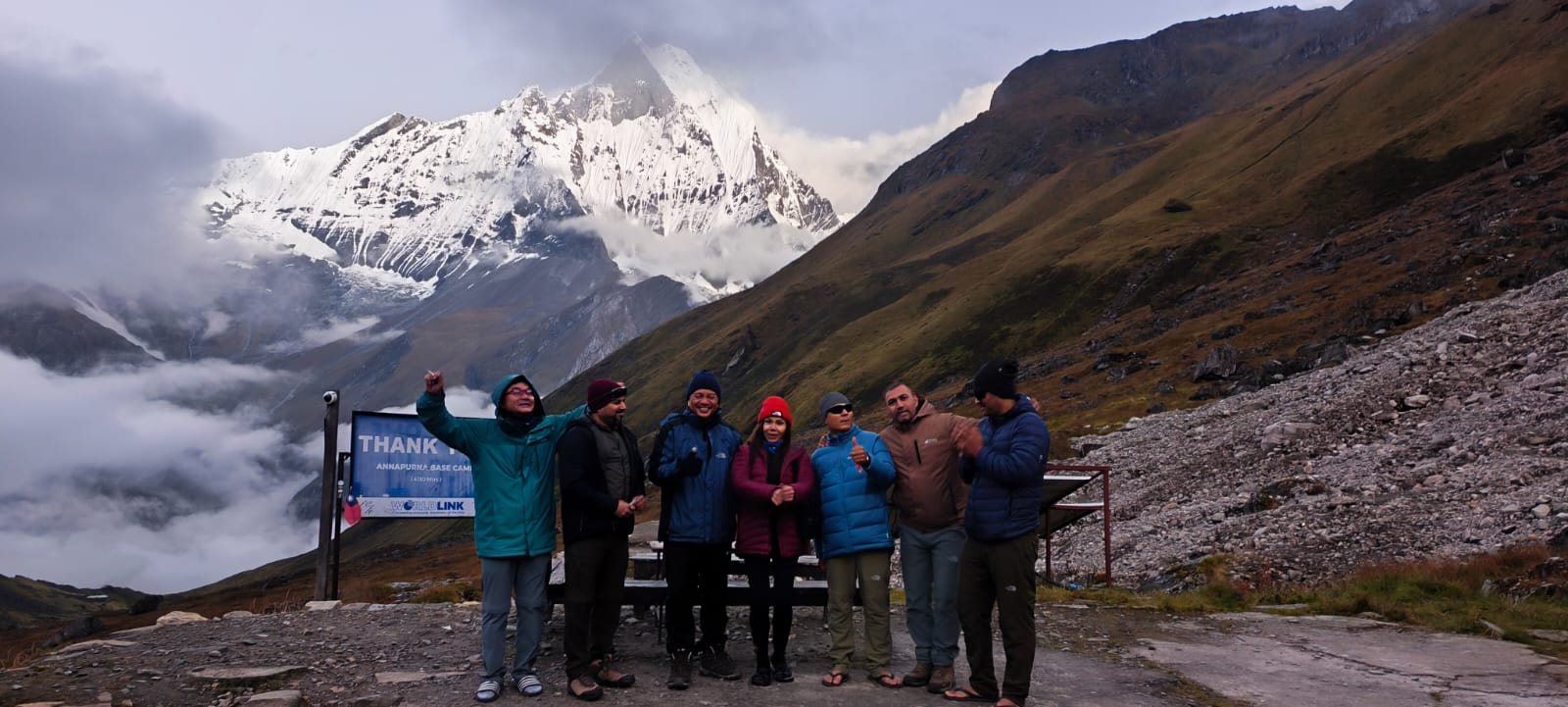
The best time for the Annapurna Base Camp Trek is generally spring (March to May) and autumn (September to November). These seasons offer a combination of favorable trekking conditions, beautiful mountain scenery, and access to teahouses along the route. April is known for blooming rhododendrons, while October is popular for its post-monsoon mountain views.
However, the ideal season depends on what you want from your trek. Some trekkers prefer clear skies and comfortable walking temperatures, while others want to enjoy quiet trails, snowy landscapes, or colorful forests. Each season in the Annapurna region has its own character, advantages, and challenges.
This guide by Create Himalaya Adventure explains the weather and trekking conditions throughout the year, helping you choose a suitable time for your Annapurna Base Camp adventure.
Annapurna Base Camp Trek: Overview
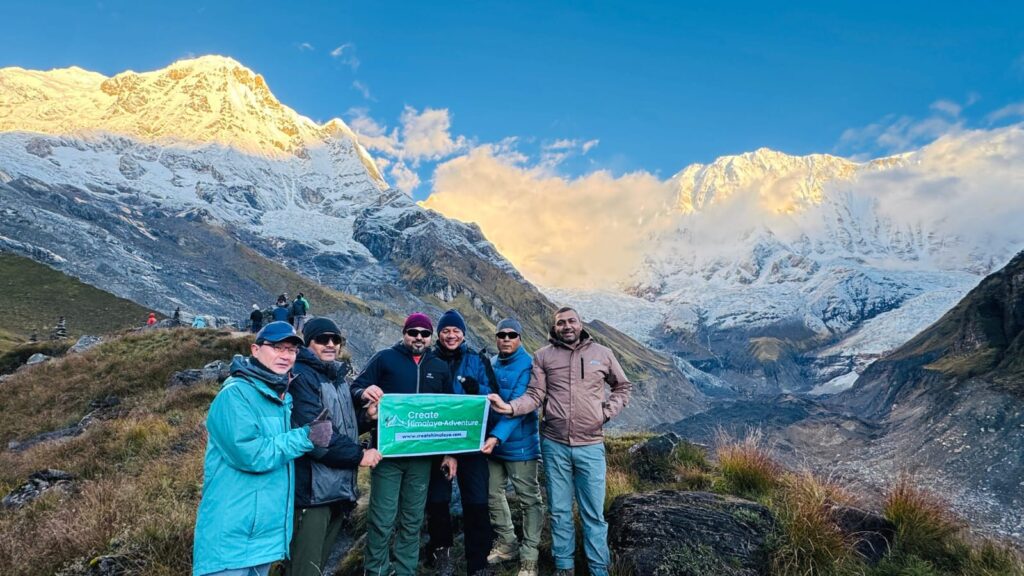
The Annapurna Base Camp (ABC) Trek is one of Nepal’s well-known Himalayan walking adventures. The trail passes through traditional mountain villages, terraced farmland, lush forests, rivers, waterfalls, and alpine landscapes before reaching Annapurna Base Camp at approximately 4,130 meters (13,550 feet).
The trek offers close-up views of some of the region’s famous mountains, including Annapurna I, Annapurna South, Machhapuchhre (Fishtail), and Hiunchuli. The changing landscape is one of the highlights of the journey, from warm, green foothills to the dramatic mountain sanctuary surrounded by high peaks.
The trek can usually be completed in around 7 to 12 days, depending on the itinerary, starting point, walking pace, and acclimatization plan. Although it does not require technical climbing, the route involves steep stone steps, uphill and downhill sections, and walking at high altitude.
Weather is an important part of planning. Conditions can change quickly in the mountains, and the temperature at base camp can be very different from the temperature in Pokhara. Choosing the right season can make the journey more comfortable, but no month guarantees clear skies or perfect weather.
Spring and autumn are generally the most popular seasons for the Annapurna Base Camp Trek. Both offer favorable conditions, but they provide different experiences.
Quick answer: When should you trek to ABC?
| Season | Trekking Conditions |
|---|---|
| Spring (March–May) | Colorful forests, rhododendron blooms, and gradually warming weather. |
| Autumn (September–November) | Post-monsoon landscapes, generally clear mountain views, and festive villages. |
| Winter (December–February) | Quieter trails, colder weather, and possible snow at higher elevations. |
| Monsoon (June–August) | Lush scenery and fewer trekkers, but frequent rain and potentially difficult trail conditions. |
For many trekkers, April and October are convenient months to consider. April brings spring flowers and milder conditions, while October often has clear mountain views after the monsoon. November can also be a suitable choice for trekkers prepared for colder nights.
The best month for you will depend on your priorities, fitness, flexibility, and comfort with changing mountain weather.
Annapurna Base Camp Trek in Autumn (September, October, and November)
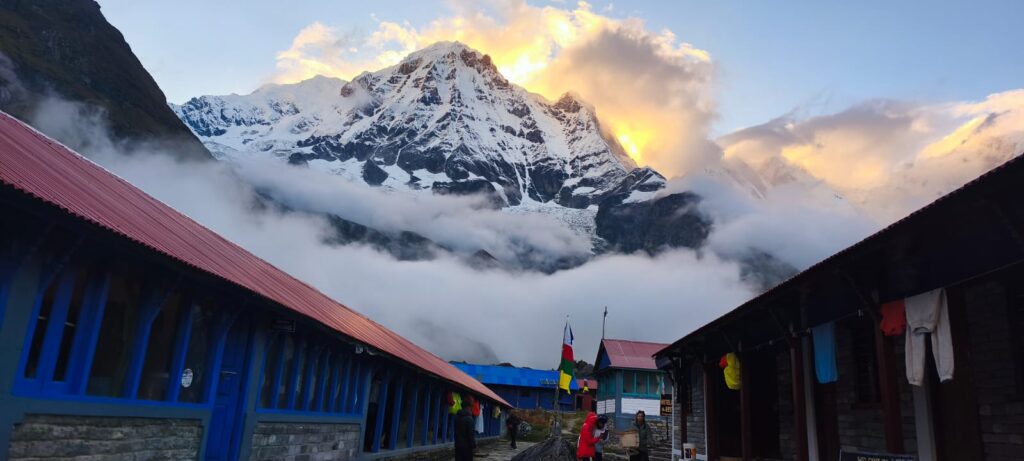
Autumn is one of the main trekking seasons in Nepal. After the summer monsoon, the weather generally becomes drier, the skies often clear, and the mountain landscapes become more visible. The forests and hillsides also look fresh after months of rainfall.
Autumn is popular, so the trails and teahouses can be busy, especially in October. Booking accommodation and arranging your itinerary in advance can help during the busiest periods.
September: The Transition from Monsoon to Autumn
September marks the transition from the monsoon season to autumn. Early in the month, rain and cloudy weather may still affect the lower sections of the Annapurna Base Camp route. As the month progresses, rainfall often decreases and conditions can become more favorable.
The hills remain green, rivers and waterfalls are full, and the forests are vibrant. However, wet and slippery paths may still be encountered, particularly after rainfall. Clouds can also hide the mountain views, so trekkers should keep their itineraries flexible.
September can suit travelers who prefer fewer crowds than the peak autumn period and are comfortable with the possibility of rain. Later in the month, trekking conditions are often more settled, although weather varies from year to year.
October: A Popular Month for Mountain Views
October is one of the most popular months for the Annapurna Base Camp Trek. The monsoon has usually ended, and the weather often becomes more stable. Clear mornings can provide impressive views of the Annapurna range, while daytime temperatures are generally comfortable for walking.
The trails can be busy, particularly around Chhomrong, Deurali, Machhapuchhre Base Camp, and Annapurna Base Camp. Teahouses may fill up during peak dates, so planning accommodation ahead is useful.
October is also part of Nepal’s major festival season. Depending on the calendar, trekkers may encounter celebrations such as Dashain and Tihar in villages or cities before or after their trek.
If your priority is to trek during a popular period with generally favorable weather and good opportunities for mountain photography, October is worth considering. Still, clouds and occasional rain are possible, and mountain conditions should never be taken for granted.
November: Clear Days and Colder Nights
November is another suitable month for the ABC Trek, especially in the first half. The weather is often dry, and the mountain views can be excellent. The air becomes cooler as winter approaches, and the higher parts of the route can feel particularly cold in the morning and at night.
Compared with October, November may have fewer trekkers as the month progresses. This can mean a quieter experience, although accommodation availability still depends on the dates and the number of visitors.
Trekkers should bring warm layers, gloves, a hat, and a suitable sleeping bag. At higher elevations, temperatures can fall below freezing, even when daytime walking conditions feel pleasant.
November may appeal to travelers who want autumn scenery and are prepared for colder conditions, particularly during overnight stays near base camp.
Annapurna Base Camp Trek in Autumn: Advantages and Disadvantages
Autumn offers generally dry conditions, fresh post-monsoon scenery, and frequent opportunities for mountain views. It is a popular season for both international and domestic trekkers.
Advantages
- Good mountain visibility: Clear weather is common, especially in October and early November.
- Comfortable daytime walking: Conditions are often pleasant at lower and middle elevations.
- Fresh landscapes: The hills and forests look green after the monsoon.
- Festival atmosphere: Dashain and Tihar may fall during the autumn trekking period.
- Established trekking services: Teahouses and other services are generally operating during the main season.
Disadvantages
- Busy trails: Popular sections can be crowded during peak dates.
- Accommodation demand: Teahouses may fill up, making advance planning useful.
- Cold nights: Temperatures drop significantly at higher elevations, especially in November.
- Changing weather: Clear conditions are common but never guaranteed.
Annapurna Base Camp Trek in Spring (March, April, and May)
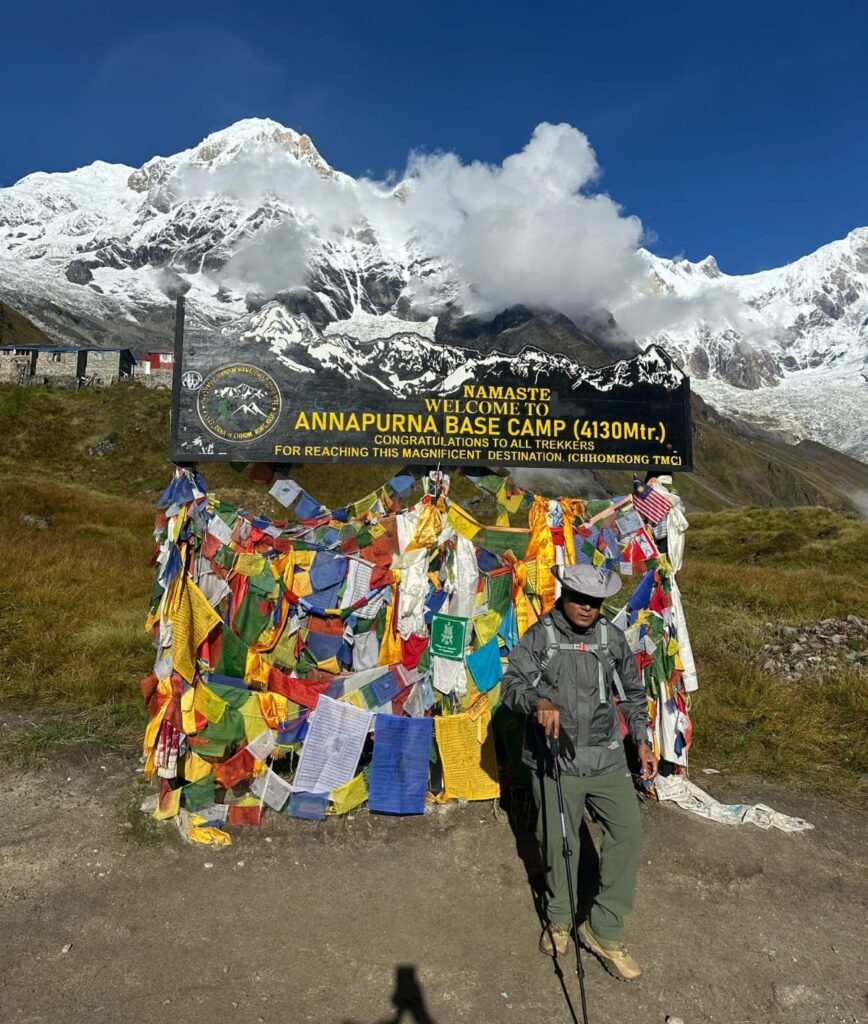
Spring is another major trekking season in the Annapurna region. Temperatures gradually rise, forests become greener, and rhododendrons bloom along parts of the trail. The landscape changes as you climb from lower villages into the alpine environment.
Spring is especially attractive to nature lovers and photographers. However, snow may remain on higher sections early in the season, and haze or cloud can sometimes affect mountain views later in spring.
March: The Beginning of Spring
March brings the start of the spring trekking season. Temperatures gradually become warmer, particularly in the lower villages, while mornings and nights remain cold at higher elevations.
Snow may still be present on sections of the upper trail, depending on recent weather. Trekkers should be prepared for icy or snowy conditions and follow local advice before continuing if the route becomes difficult.
The trails are generally less busy than during the peak months of April and October. March can be a good option for travelers who want to experience the beginning of spring and do not mind carrying extra warm clothing.
April: Rhododendrons and Comfortable Trekking Conditions
April is one of the most popular months for the Annapurna Base Camp Trek. Rhododendrons bloom in many forested areas, adding red, pink, and other bright colors to the landscape. The warmer spring weather can make daytime walking comfortable, although temperatures still vary considerably with elevation.
Mountain views are often rewarding, particularly in the morning. As the day progresses, clouds may develop, so starting hikes early can improve the chance of enjoying clear views.
April is also a busy month on the trail. Teahouses can become crowded, especially around popular overnight stops. Travelers planning to trek during this period should arrange their trip in advance and allow some flexibility in their daily schedule.
April is a good month to consider if you want to experience spring flowers, green hillsides, and the atmosphere of Nepal’s main trekking season.
May: Warmer Weather and the Approach of Monsoon
May is the final month of spring and generally brings warmer conditions in the lower parts of the route. The landscape remains green, and some flowers may still be visible at higher elevations.
As the month progresses, pre-monsoon weather can bring more clouds, afternoon showers, and reduced visibility. The mountain views may be less consistent than in April, although clear periods are still possible.
May can suit trekkers who prefer warmer daytime conditions and have some flexibility in their schedule. Carrying rain protection is important, as weather can change quickly, especially toward the end of the month.
Annapurna Base Camp Trek in Spring: Advantages and Disadvantages
Spring combines warmer weather with colorful forests and a lively trekking atmosphere. It is particularly appealing to travelers who enjoy flowers and changing landscapes.
Advantages
- Rhododendron blooms: Forests can be especially colorful in March, April, and May.
- Gradually warming weather: Conditions become milder as spring progresses.
- Green landscapes: The hillsides and lower valleys become increasingly lush.
- Good trekking opportunities: Many teahouses and services operate during the main spring season.
- Longer daylight: There is generally sufficient daylight for planned walking days, although daily schedules should still be realistic.
Disadvantages
- Crowded periods: April can be busy on popular sections of the route.
- Remaining snow: March may bring snow or icy conditions at higher elevations.
- Cloud and haze: Visibility can become less consistent later in spring.
- Pre-monsoon showers: Rain becomes more possible in May, particularly toward the end of the month.
Trekking to Annapurna Base Camp in Monsoon (June to August)
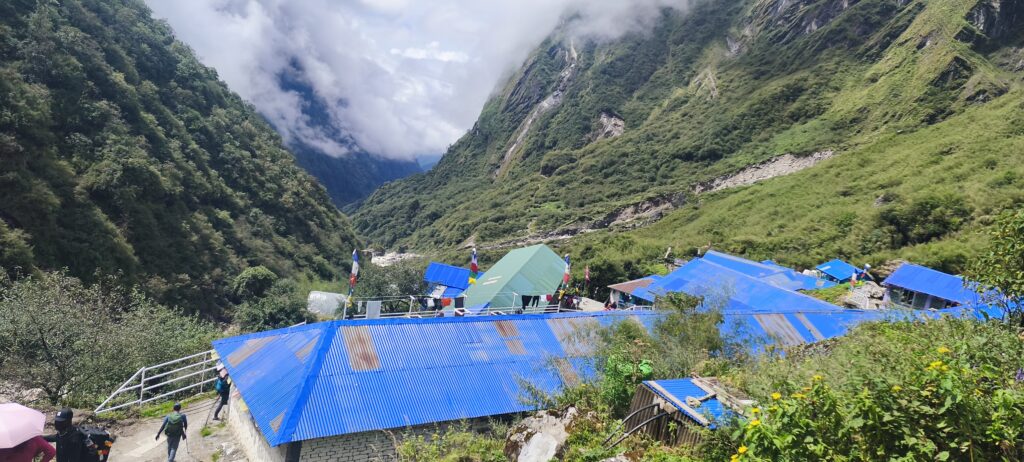
The monsoon season brings frequent rainfall to much of Nepal. The Annapurna region becomes lush and green, with flowing rivers, waterfalls, and thriving vegetation. However, rain can make trekking more challenging.
Trails may become muddy and slippery, and leeches can be present in lower forested sections. Heavy rainfall can also trigger landslides or disrupt road access. Clouds may cover the mountains for extended periods, limiting views.
Monsoon trekking is possible, but it requires flexibility and careful planning. Trekkers should check local trail and weather conditions, carry reliable rain gear, and be prepared to change their itinerary if necessary.
Advantages
- Lush vegetation, waterfalls, and green landscapes
- Fewer trekkers on many sections of the route
- A quieter experience in villages and teahouses
- Possible off-season accommodation offers
Disadvantages
- Frequent rain and high humidity
- Muddy, slippery trails and leeches
- Possible landslides and transport disruption
- Mountain views may be limited by clouds
Trekking to Annapurna Base Camp in Winter (December to February)
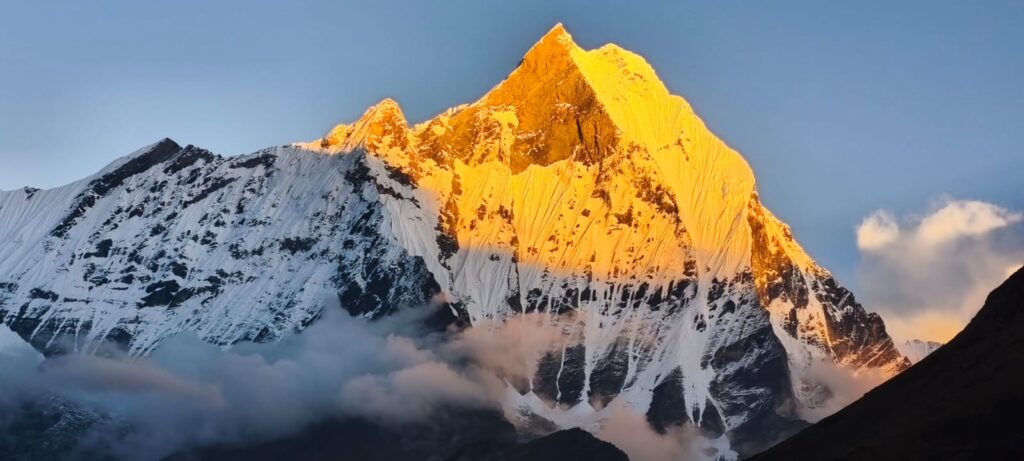
Winter brings colder weather and the possibility of snow at higher elevations. The mountains can look especially beautiful under fresh snow, and the trails are generally quieter than during spring and autumn.
However, temperatures at Annapurna Base Camp can fall well below freezing. Snow and ice may make some sections difficult, and some teahouses may close during quieter periods. Weather conditions can also change quickly, so it is important to check local advice before setting out.
Winter trekking may suit experienced or well-prepared trekkers who are comfortable with cold conditions and have a flexible itinerary. A warm sleeping bag, layered clothing, suitable footwear, and careful attention to weather updates are essential.
Advantages
- Quieter trails and a more peaceful trekking experience
- Snow-covered mountain scenery
- Fewer crowds at popular viewpoints
- Possible off-season discounts
Disadvantages
- Very cold mornings and nights
- Snow or ice on higher sections of the trail
- Some teahouses may be closed
- Weather-related changes to the itinerary may be necessary
Which Months Are Best for the Annapurna Base Camp Trek?
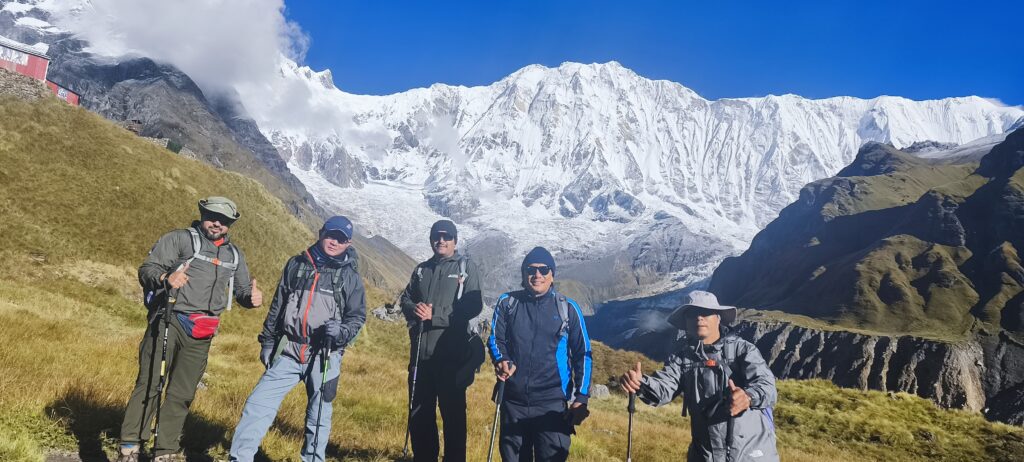
April and October are two popular choices, but the right month depends on the experience you want.
| Month | Typical Trekking Conditions | What to Consider |
|---|---|---|
| March | Cool, with spring beginning | Possible snow or ice at higher elevations |
| April | Mild spring weather and flowering forests | Busy trails and teahouses |
| May | Warmer, with increasing cloud and rain | Pre-monsoon showers may affect views |
| June–August | Wet, humid, and lush | Slippery trails, leeches, and possible landslides |
| September | Gradually improving after monsoon | Early September can still be rainy |
| October | Generally dry with good visibility | Peak-season crowds and high accommodation demand |
| November | Often clear, with colder nights | Prepare for freezing temperatures at higher elevations |
| December–February | Cold, with possible snow | Some lodges may close, and trails can be icy |
If you prefer spring flowers and warmer conditions, consider April. If you value post-monsoon scenery and clear mountain views, October is a popular option. For fewer crowds, you might consider late November, early December, or late February, while remembering that colder weather and snow can affect the route.
Weather Challenges and Safety Tips
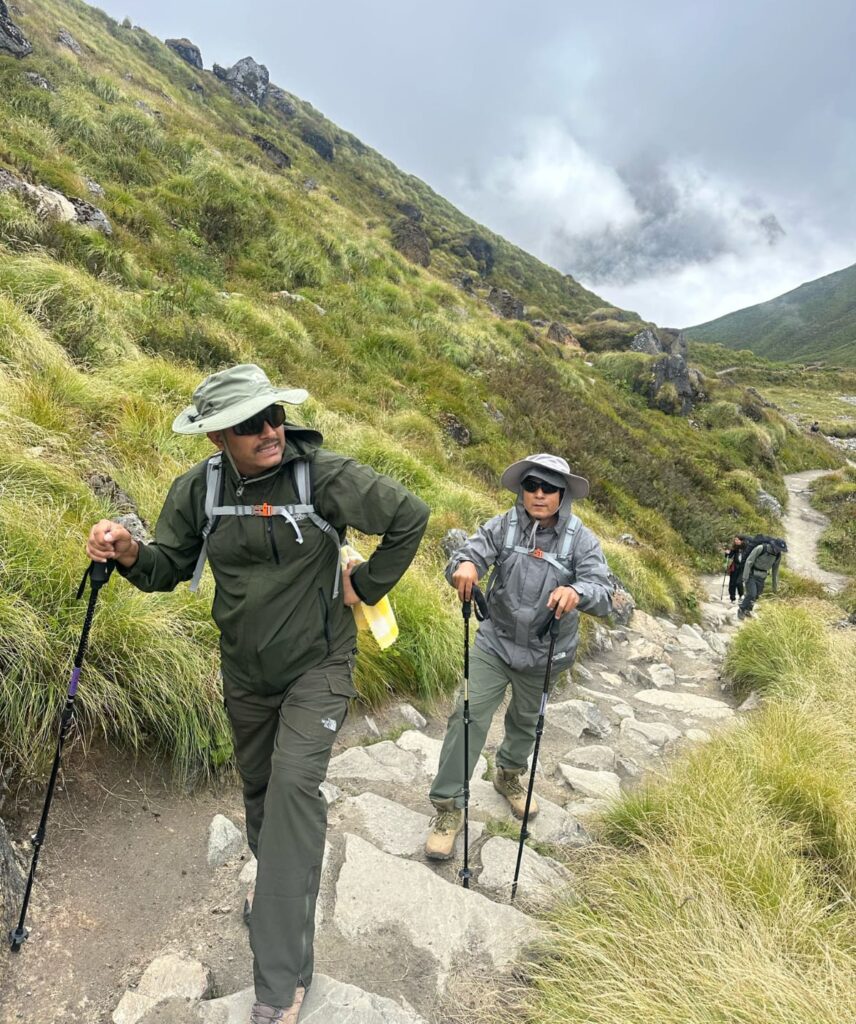
Weather conditions can change quickly on the Annapurna Base Camp (ABC) Trek, especially at higher elevations. Cold nights, sudden cloud cover, rain, snow, and slippery trails can make the journey more difficult. Since ABC sits at around 4,130 m, trekkers should prepare for changing mountain conditions rather than treating the trek like a low-altitude hike. Walking at a steady pace, taking regular breaks, staying hydrated, and paying attention to your physical condition are important throughout the trek.
During the monsoon season, frequent rain can make stone steps and forest trails slippery. Leeches, muddy paths, poor visibility, and occasional landslide-prone sections can also create additional challenges. In winter, snow and ice may cover parts of the trail, while temperatures can drop significantly at night, particularly around higher settlements and ABC.
For safer trekking in any season, check the weather forecast before heading out, ask your guide or teahouse staff about current trail conditions, and begin walking early when possible. Carry suitable layers, waterproof clothing, trekking poles, and shoes with good grip. If weather conditions deteriorate or you notice symptoms of altitude sickness, slow down, rest, and follow your guide’s advice rather than continuing unnecessarily.
Final Words
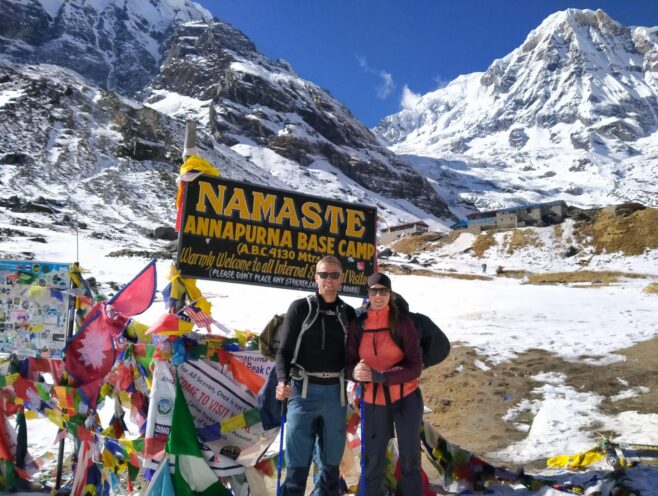
The Annapurna Base Camp Trek is possible in different seasons, but the experience can change considerably throughout the year. Spring and autumn are the main trekking seasons because they often provide favorable walking conditions and opportunities to enjoy the mountain scenery. April is known for rhododendron blooms, while October is popular for its clear post-monsoon landscapes.
September and November can also be suitable, depending on the weather and your preparation. Monsoon and winter treks offer quieter trails and distinctive scenery, but they require more flexibility and careful attention to trail conditions.
Before choosing your departure date, consider your preferred scenery, tolerance for cold or rain, and available time. Whatever month you choose, a realistic itinerary, suitable clothing, and guidance from experienced local trekking professionals can help you prepare for the journey.
At Create Himalaya Adventure, our local team can help you plan an Annapurna Base Camp Trek around your travel dates, pace, and interests. We prioritize careful planning, experienced guides, and support throughout your journey.
Frequently Asked Questions
1. Can I trek to Annapurna Base Camp throughout the year?
Yes, trekking is possible in all four seasons, but conditions vary. Spring and autumn are the main trekking seasons. Monsoon brings rain and slippery trails, while winter can bring snow and freezing temperatures at higher elevations.
2. Is Annapurna Base Camp suitable for first-time trekkers?
The trek can be suitable for first-time Himalayan trekkers who have reasonable fitness and prepare properly. It does not require technical climbing, but the altitude, long walking days, and steep sections can be challenging.
3. Is it possible to see Annapurna Base Camp covered in snow?
Yes. Snow can fall at higher elevations, particularly during winter and sometimes in early spring. The amount of snow depends on recent weather, so a snow-covered landscape cannot be guaranteed on a particular date.
4. Which month has the fewest trekkers on the ABC route?
The monsoon and winter months generally have fewer trekkers than spring and autumn. However, the number of visitors varies from year to year and around holidays. Quieter trails may also mean fewer open teahouses.
5. Do I need to book teahouses in advance?
Advance planning is helpful during busy periods, particularly in April and October. During quieter months, accommodation may be easier to find, but some lodges may be closed. Your guide or trekking company can help arrange suitable overnight stops.
6. Can I trek to Annapurna Base Camp during Dashain or Tihar?
Yes. Dashain and Tihar usually fall during the autumn trekking season, although their dates change each year according to the lunar calendar. You may experience festive activities in Kathmandu or local communities before or after your trek.
7. Are mountain views guaranteed during the best trekking months?
No. Even during spring and autumn, clouds, wind, or unexpected weather can affect visibility. Starting walks early in the day may improve your chances of seeing the mountains, but clear views are never guaranteed.
8. How cold does it get at Annapurna Base Camp?
Temperatures vary with season and weather. Nights and early mornings can fall below freezing, especially in late autumn and winter. Bring warm layers and a suitable sleeping bag rather than relying on a specific temperature forecast.
9. Is the ABC Trek more difficult in winter?
Winter can make the trek more challenging because of cold temperatures, snow, and icy trails. The difficulty depends on the conditions at the time, your experience, and the equipment you carry. Check local advice before proceeding through snow-affected sections.
10. Can I trek to Annapurna Base Camp during the monsoon if I have limited time?
It is possible, but a short, fixed itinerary can be difficult to manage when heavy rain disrupts trails or transport. If you travel during monsoon, allow extra time and be prepared to adjust your plans.
11. What kind of clothing should I bring for spring or autumn?
Bring layered clothing, including a warm insulated jacket, thermal layers, trekking trousers, waterproof outerwear, gloves, and a warm hat. Conditions vary between lower villages and base camp, so you should be prepared for both mild daytime weather and cold nights.
12. Is April or October better for photography?
Both months can offer excellent photography opportunities. April is known for flowering forests and spring landscapes, while October often offers clear post-monsoon views. The results depend on the weather, time of day, and visibility.
13. Can I combine the Annapurna Base Camp Trek with Poon Hill?
Yes. Some itineraries combine ABC with Poon Hill, allowing trekkers to experience another well-known viewpoint in the Annapurna region. The additional days and walking distance depend on the route and starting point.
14. Should I hire a guide for the Annapurna Base Camp Trek?
A local guide can help with navigation, daily planning, accommodation arrangements, and understanding local culture. A guide can also provide support if weather or trail conditions change. Check current trekking rules and permit requirements before departure.
15. How many days should I allow for the Annapurna Base Camp Trek?
Many itineraries take around 7 to 12 days, depending on the route, starting point, walking pace, and time allowed for rest. If you have a fixed flight or onward travel, allow some flexibility for weather and transport delays.

Ramchandra Lamichhane
Trekking Expert
No hidden fees • Local experts • Best price guarantee