
Things to Know Before Going to Nepal
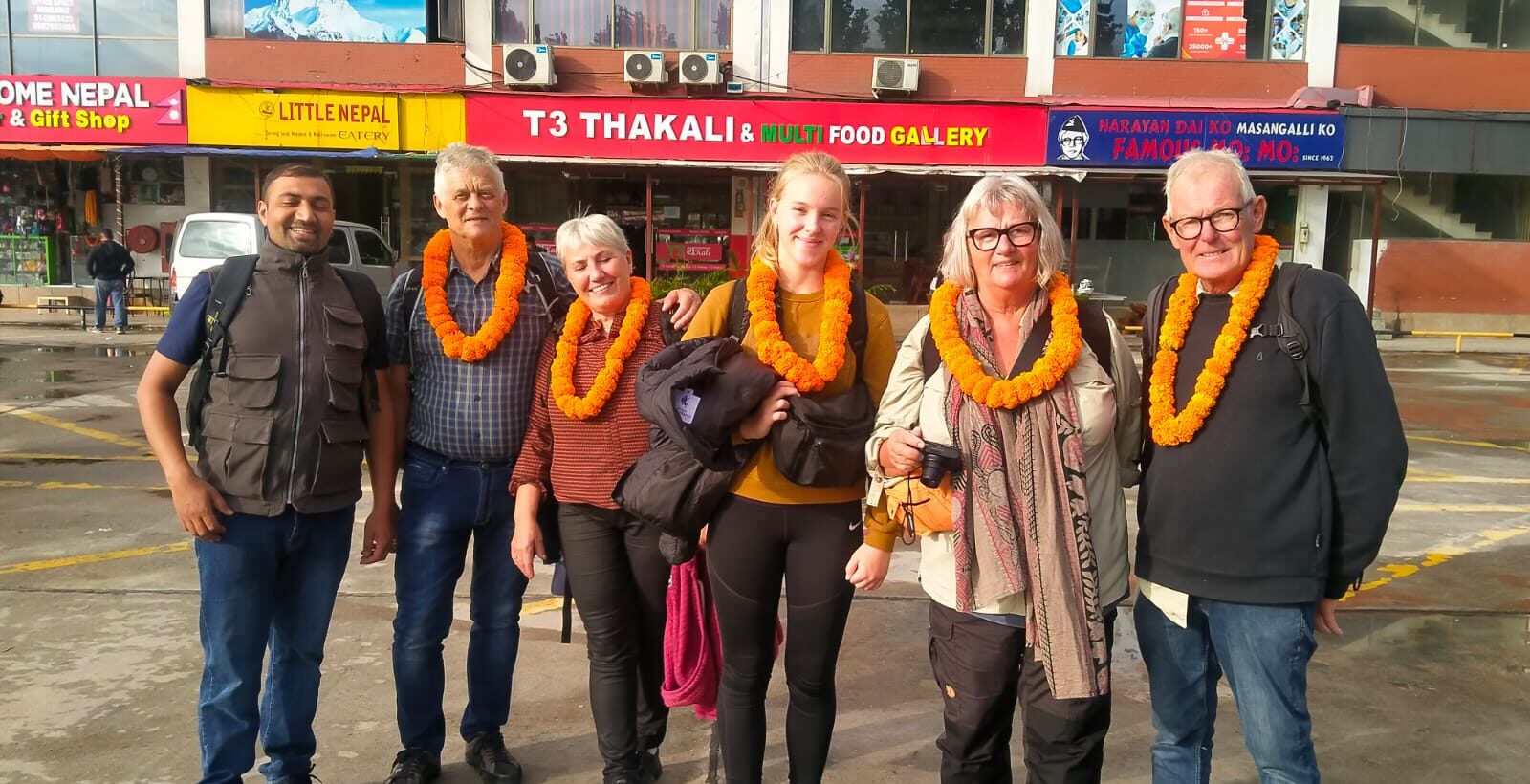
Nepal is a country where Himalayan mountains, ancient cities, diverse cultures, spiritual traditions, wildlife, and warm hospitality come together in a remarkably small area. For many travelers, Nepal means trekking to Everest Base Camp or exploring the Annapurna region, but there is much more to experience beyond the mountains.
If you are visiting Nepal for the first time, knowing a few practical details before you arrive can make your journey easier and more enjoyable. From visas and currency to local etiquette, food, trekking permits, altitude, transportation, and safety, this guide covers the essential things to know before traveling to Nepal.
Why Visit Nepal?
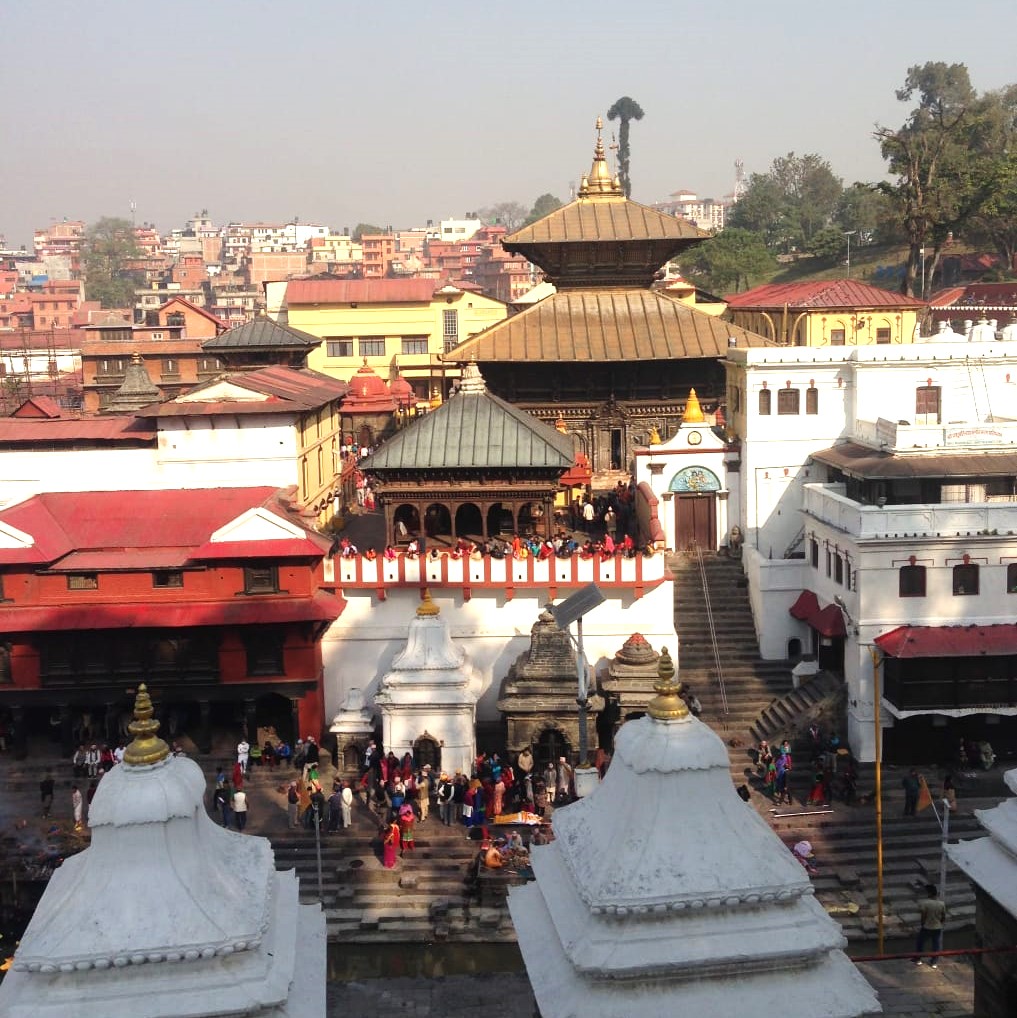
Nepal is one of the world’s most rewarding destinations for travelers who enjoy nature, culture, adventure, and authentic experiences. The country is home to Mount Everest, the world’s highest mountain, as well as numerous other Himalayan peaks, beautiful valleys, glacial lakes, national parks, historic cities, temples, monasteries, and traditional villages.
A trip to Nepal can be completely different depending on your interests. You can trek through the Himalayas, go on a jungle safari in Chitwan, explore the historic streets of Kathmandu Valley, enjoy sunrise views over the Annapurna range from Pokhara, visit Buddhist monasteries, experience Hindu temples, or simply spend time among Nepal’s welcoming communities.
For adventure travelers, Nepal offers everything from relatively easy short hikes to challenging high-altitude trekking and mountaineering.
Where Is Nepal and What Makes It Special?
Nepal is a landlocked country in South Asia, located between India and China, with the Himalayas forming much of its northern landscape. Although geographically small, Nepal has extraordinary variations in altitude, climate, landscapes, languages, ethnic communities, and traditions.
One of Nepal’s greatest attractions is its geographical diversity. You can travel from the subtropical lowlands to high Himalayan landscapes within a relatively short distance. This diversity also makes Nepal suitable for many types of holidays, from cultural tours and wildlife trips to multi-week Himalayan treks.
Nepal is also the birthplace of Gautama Buddha, in Lumbini, and has a long history of Hindu and Buddhist traditions. The combination of natural beauty and cultural diversity is what makes Nepal particularly special.
Do You Need a Visa to Visit Nepal?
Most foreign travelers need a tourist visa to enter Nepal, and obtaining one is generally straightforward. Nepal offers visa on arrival at Tribhuvan International Airport in Kathmandu for citizens of many countries. Travelers can also apply for a tourist visa through a Nepalese diplomatic mission before traveling.
For visa on arrival, you normally complete an arrival form or online tourist visa application, provide the required passport information, pay the applicable visa fee, and proceed to immigration. Your passport should have sufficient validity and blank pages. Visa rules and fees can change, so it is always wise to check the latest requirements before your journey.
Some nationalities may have different visa arrangements or may not be eligible for visa on arrival. Travelers should therefore confirm the current requirements based on their nationality before flying to Nepal.
If you are coming to Nepal for trekking, remember that a tourist visa and a trekking permit are different things. Your entry visa allows you to enter Nepal, while trekking-area permits are required separately for particular trekking regions.
What Is the Best Time to Visit Nepal?
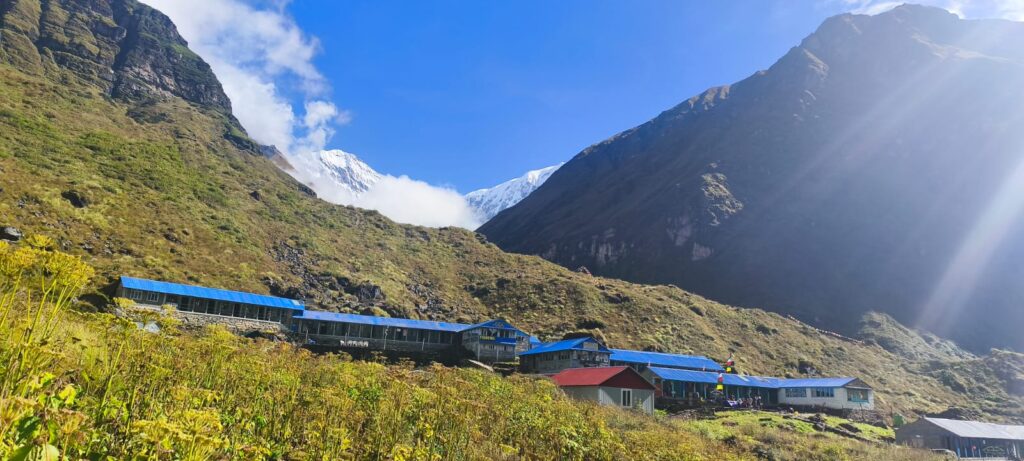
The best time to visit Nepal depends on what you want to do. Generally, spring and autumn are the most popular seasons for trekking and mountain views. March to May brings warmer temperatures, blooming rhododendrons, and good conditions in many trekking regions. September to November usually offers clear skies, comfortable temperatures, and excellent Himalayan visibility.
Winter, from December to February, can be cold at higher elevations, but lower-altitude trekking, cultural tours, and wildlife activities can still be enjoyable. The monsoon season, roughly June to August, brings rain to much of Nepal. However, some areas, including Upper Mustang and parts of the rain-shadow regions, can still be suitable for trekking.
For a first Nepal trip, autumn and spring are often the easiest seasons to recommend, particularly if your main goal is Himalayan trekking.
What Currency Is Used in Nepal?
The official currency is the Nepalese Rupee (NPR). Cash remains important, especially outside major cities and on trekking routes.
Kathmandu and Pokhara have ATMs, banks, money exchanges, hotels, and businesses that accept international cards. However, it is sensible to carry some Nepalese rupees because card facilities and ATMs become less reliable as you travel into remote mountain areas.
The cost of everyday travel varies considerably. Kathmandu and Pokhara offer everything from budget accommodation and local restaurants to comfortable hotels and high-end experiences, while prices generally increase in remote trekking areas because supplies have to be transported from lower elevations.
What Languages Are Spoken in Nepal?
Nepali is the official language and is widely spoken throughout the country. However, Nepal is home to many ethnic communities and more than a hundred languages are spoken across the country.
English is commonly understood in tourist areas, hotels, trekking agencies, restaurants, and by many guides. On trekking routes, your licensed guide can also help you communicate with local communities when English is not widely spoken.
Learning a few simple Nepali words can make interactions more enjoyable. “Namaste” is the most common greeting and is appropriate in most situations.
What Should You Pack for Nepal?
What you pack depends heavily on your itinerary and season. For a normal sightseeing holiday, comfortable walking shoes, lightweight clothing, a warm layer, sunscreen, sunglasses, a reusable water bottle, personal medicines, and basic toiletries are useful.
For trekking, your packing list needs more attention. Good trekking shoes, warm layers, waterproof clothing, thermal wear, comfortable hiking trousers, gloves, a hat, sunglasses, sunscreen, a headlamp, water bottles, and a small first-aid kit are important.
If you are trekking at high altitude, avoid packing excessively. Most trekking companies can provide or arrange items such as a sleeping bag, down jacket, and duffel bag when included in your package.
What Should You Know About Nepalese Food and Drinking Water?
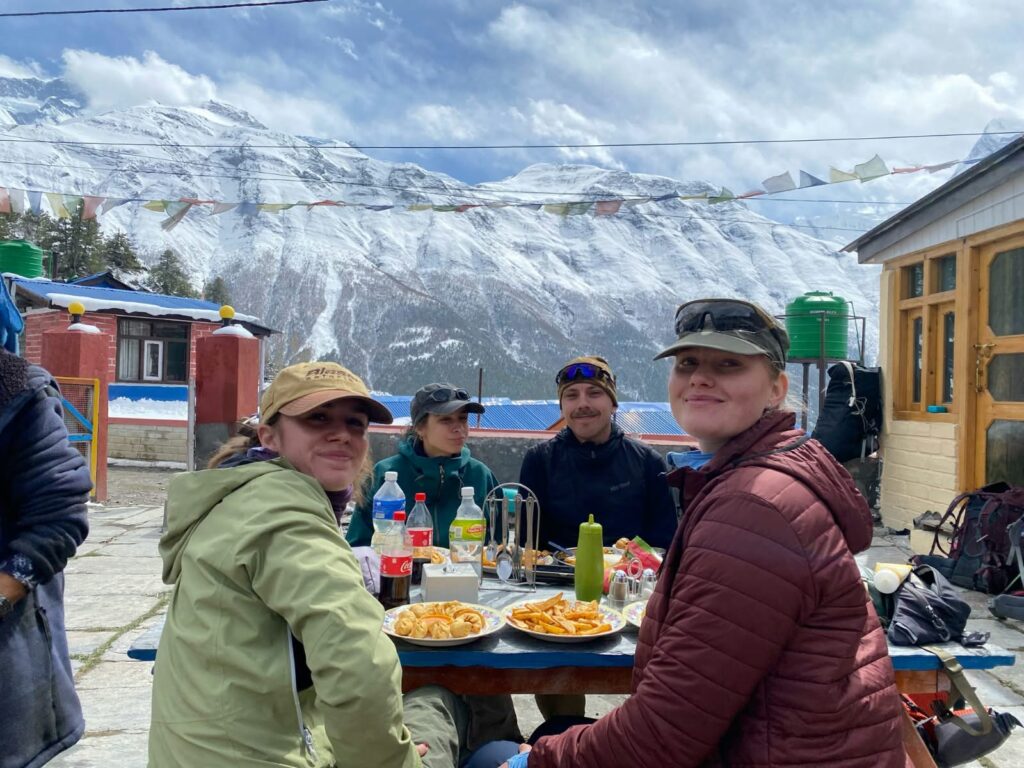
Nepalese food is diverse and generally offers plenty of choices for international travelers. Dal Bhat, consisting of rice, lentil soup, vegetables, and accompanying dishes, is one of the country’s most popular traditional meals. Momo, noodles, soups, Tibetan-style bread, pasta, eggs, and various rice and curry dishes are also widely available.
On trekking routes, menus become simpler as altitude increases, but most established teahouses provide a variety of meals.
Tap water should generally not be consumed untreated by international visitors. On treks, use boiled, filtered, or properly purified water. Carrying a reusable bottle and water purification tablets or a reliable filtration method is a practical choice.
Is Nepal Safe for Tourists and Solo Travelers?
Nepal is generally a welcoming destination for international tourists and solo travelers. Tourist areas are accustomed to international visitors, and trekking routes have established tourism infrastructure.
However, normal travel precautions still matter. Keep valuables secure, be careful with your belongings in crowded places, use reliable transportation, and avoid walking alone in unfamiliar areas late at night.
For trekking, safety becomes more important because of weather, altitude, difficult terrain, and changing trail conditions. Register your itinerary, follow your guide’s advice, maintain a sensible pace, and never ignore symptoms of altitude sickness.
What Cultural Etiquette Should You Know Before Visiting Nepal?
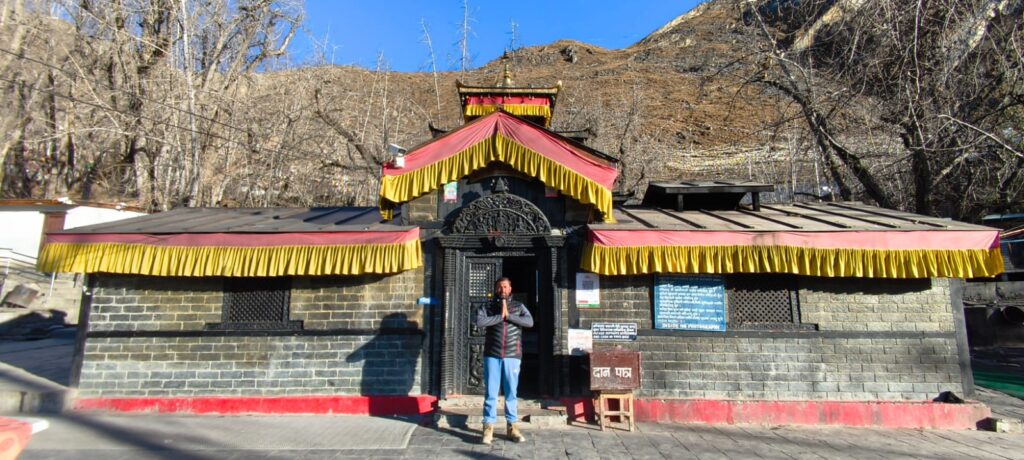
Respect for local culture is one of the most important things to remember when visiting Nepal. Dress modestly when visiting temples, monasteries, and traditional communities. Remove your shoes before entering many religious buildings, and avoid touching religious objects without permission.
The traditional Nepali greeting is “Namaste.” Place your palms together in front of your chest and say “Namaste.” A friendly smile and respectful attitude are usually appreciated.
When visiting temples, walk around religious monuments in the appropriate direction and ask before taking photographs of people, ceremonies, monks, or religious activities. Public displays of affection should also be kept relatively modest, particularly in traditional communities.
What Should You Know Before Trekking in Nepal?
Trekking in Nepal is not simply a walk through the mountains. It requires preparation, realistic expectations, and respect for the Himalayan environment.
Trekking routes can include steep stone steps, suspension bridges, rocky trails, forest paths, exposed sections, and high mountain passes. Weather can change quickly, particularly at higher elevations.
Acclimatization is one of the most important parts of a high-altitude trek. You should not rush simply because you are physically fit. A well-designed itinerary includes appropriate acclimatization days and gradual elevation gain.
Accommodation on popular routes is usually in teahouses or lodges. Facilities become more basic at higher elevations, and the cost of food and services generally increases as you go higher.
Do You Need a Guide or Porter for Trekking in Nepal?
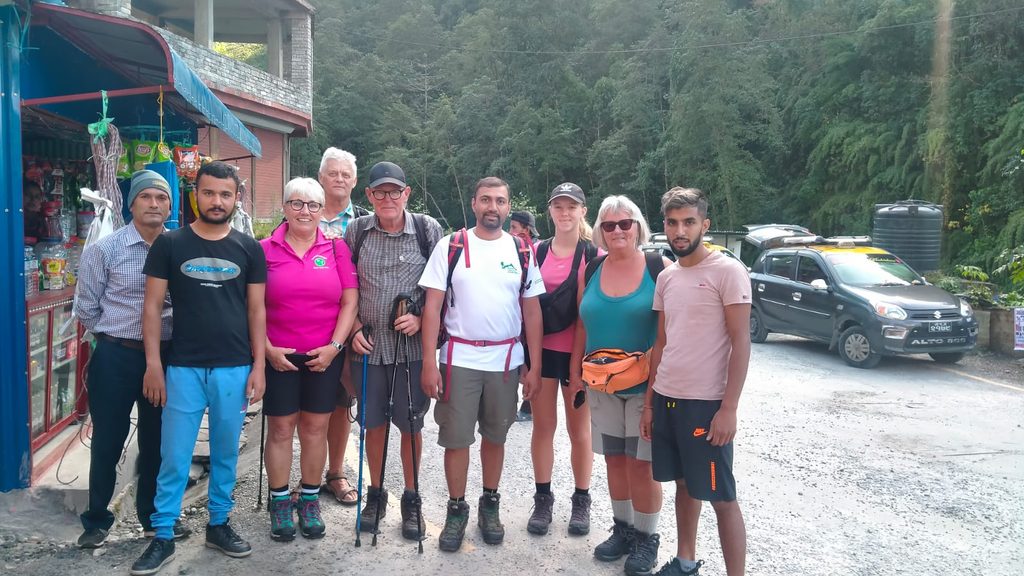
Whether you need a guide depends on the trekking region and current regulations. Nepal has increasingly emphasized guided trekking in several protected and restricted areas, while some routes have different requirements.
Even where independent trekking may be possible, traveling with a licensed guide can make the experience safer and easier. A knowledgeable guide understands the trail, weather, accommodation, local culture, altitude risks, and emergency procedures.
A porter can also make a major difference by carrying your main luggage while you walk with a lighter daypack. For first-time trekkers, combining a licensed guide with porter support can provide both comfort and security.
How to Get Permits for Trekking in Nepal?
| Trekking Region | Required Permit | Where to Obtain / Arrange |
|---|---|---|
| Everest Region | Sagarmatha National Park Permit + applicable local-area permit | Designated permit counter in Lukla and relevant local authority |
| Langtang Region | Langtang National Park Entry Permit | Designated permit counter in Dhunche |
| Annapurna Region | Annapurna Conservation Area Permit (ACAP) | Nepal Tourism Board offices in Kathmandu/Pokhara or applicable online process |
| Manaslu Region | Manaslu Conservation Area Permit (MCAP) + Restricted Area Permit where applicable | Nepal Tourism Board / registered trekking agency |
| Restricted Areas | Restricted Area Trekking Permit | Must be arranged through a registered trekking agency |
| Other Trekking Areas | Depends on the destination and route | Relevant national park, conservation area, local authority, or registered agency |
How Should You Prepare for High Altitude?
Altitude is one of the biggest challenges for trekkers in Nepal. Even physically fit travelers can experience altitude sickness.
The best preparation is gradual ascent, proper acclimatization, adequate hydration, sufficient rest, and avoiding excessive alcohol at altitude. Learn to recognize symptoms such as headache, nausea, dizziness, unusual tiredness, and loss of appetite.
Never treat serious altitude symptoms as something you simply need to “push through.” If symptoms become severe or worsen, descending to a lower altitude is often the safest response. A qualified guide can help monitor your condition and make appropriate decisions.
What Are the Most Popular Places to Visit in Nepal?
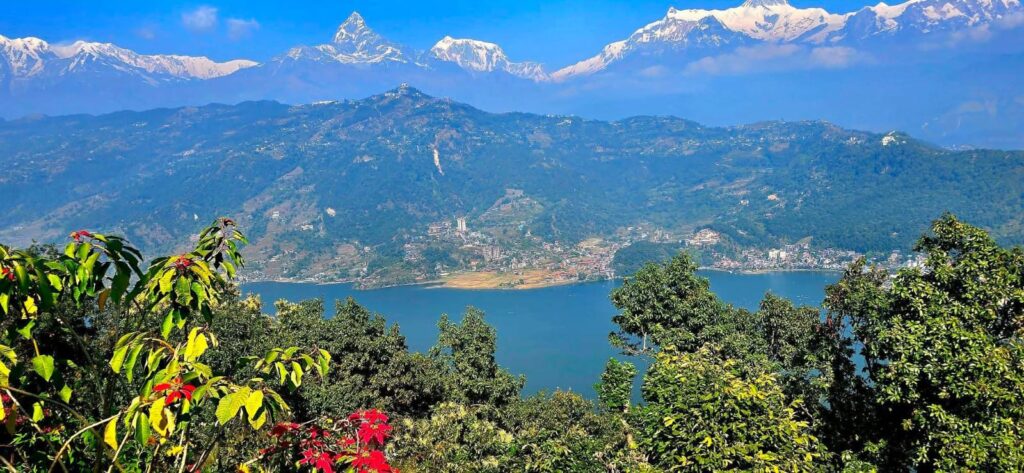
Kathmandu, Pokhara, Chitwan, Lumbini, and Bhaktapur are among Nepal’s most popular destinations.
Kathmandu is the country’s cultural and travel hub, with historic temples, stupas, markets, and UNESCO World Heritage sites. Pokhara is famous for its lakeside atmosphere and spectacular Annapurna and Machapuchare views. Chitwan is well known for jungle safaris and wildlife. Lumbini attracts visitors interested in Buddhism and the birthplace of Buddha, while Bhaktapur offers remarkable Newari architecture and traditional city life.
What Are the Most Popular Trekking Destinations in Nepal?
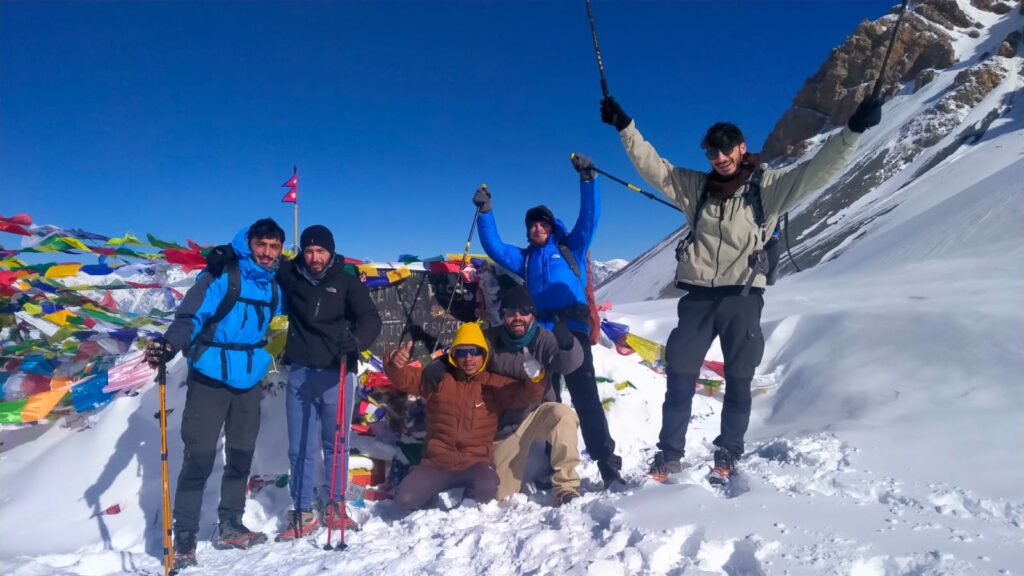
Nepal has trekking routes for different experience levels. The Everest Base Camp Trek is ideal for travelers who want to experience the world’s highest mountain region. The Annapurna Base Camp Trek combines Himalayan scenery with villages, forests, and mountain culture.
Other popular choices include the Annapurna Circuit, Manaslu Circuit, Gokyo Lakes Trek, Everest Three High Passes Trek, Langtang Valley Trek, Mardi Himal Trek, Ghorepani Poon Hill Trek, and Upper Mustang Trek.
The right trek depends on your available time, fitness, preferred scenery, altitude tolerance, and travel season.
How Much Does a Trip to Nepal Cost?
Nepal can accommodate different travel budgets. A backpacker can travel relatively economically, while travelers seeking luxury hotels, private transportation, helicopter flights, or premium trekking services will spend considerably more.
Your total cost depends on accommodation, transportation, food, permits, guide and porter services, trekking duration, internal flights, activities, and the season.
Trekking generally becomes more expensive at higher elevations because transportation and supplies are more difficult. When comparing trekking packages, look beyond the headline price and check what is actually included.
What Should You Know About Nepal’s Festivals and Local Customs?
Nepal has a remarkable calendar of festivals, many of which are deeply connected with Hindu and Buddhist traditions. Dashain and Tihar are among the country’s biggest festivals, while Holi, Buddha Jayanti, Indra Jatra, Losar, and various regional festivals offer different cultural experiences.
During major festivals, some businesses and government offices may operate on reduced schedules, while roads and transportation can become busier. At the same time, festivals can provide an excellent opportunity to experience Nepal’s living culture.
Always observe local customs respectfully, particularly when visiting religious sites or participating in ceremonies.
Final Tips
Your first visit to Nepal will be much easier if you arrive prepared but remain flexible. Weather, road conditions, domestic flights, mountain conditions, and local events can sometimes change travel plans.
Choose your itinerary according to your interests rather than trying to see everything in one trip. If you are trekking, prioritize acclimatization and safety over speed. Carry some local currency, dress respectfully, drink safe water, protect yourself from the sun, and give yourself extra time for road journeys.
Most importantly, take time to enjoy the experience. Talk with local people, try traditional food, explore beyond the main tourist attractions, and respect the communities and landscapes you visit.
At Create Himalaya Adventure, we believe a Nepal journey should be more than simply checking destinations off a list. With experienced local guides, carefully planned itineraries, and 24-hour support, we help travelers discover Nepal safely and comfortably—from cultural tours in Kathmandu and Pokhara to unforgettable Himalayan adventures in the Everest, Annapurna, Manaslu, Langtang, and other trekking regions.
Frequently Asked Questions About Traveling to Nepal
Is Nepal good for first-time travelers?
Yes. Nepal is suitable for first-time international travelers because it offers diverse attractions, established tourism infrastructure, friendly local communities, and many travel options.
How many days are enough for Nepal?
Around 7–15 days is a useful starting point for a first visit, although longer trips allow you to combine cultural sightseeing with trekking.
Is English widely spoken in Nepal?
English is widely understood in tourist areas, especially among hotel staff, guides, trekking agencies, and restaurant workers.
Can I use credit cards in Nepal?
Credit cards are accepted in many hotels, restaurants, and shops in major cities, but cash is essential in rural areas and on trekking routes.
Is Nepal suitable for solo travelers?
Yes, but solo travelers should take extra care with transportation, accommodation, trekking routes, and altitude. A licensed guide is particularly useful for remote or challenging treks.
What should I wear in Nepal?
Wear comfortable, weather-appropriate clothing. Modest clothing is recommended when visiting temples, monasteries, and traditional communities.
Do I need travel insurance for Nepal?
Travel insurance is strongly recommended, particularly if you plan to trek at high altitude or participate in adventure activities. For trekking, make sure your policy covers the maximum altitude of your itinerary and emergency evacuation if required.
Can I drink tap water in Nepal?
International visitors should avoid untreated tap water. Choose filtered, boiled, or properly purified drinking water.
What is the best trek in Nepal for beginners?
Ghorepani Poon Hill, Mardi Himal, and shorter Annapurna-region treks can be good introductions to Himalayan trekking, while the Everest Base Camp trek is a longer and more demanding option.
Should I book my Nepal trip in advance?
For popular trekking seasons, booking accommodation, flights, guides, and permits in advance is recommended, particularly if you have fixed travel dates.
Ramchandra Lamichhane
Trekking Expert
No hidden fees • Local experts • Best price guarantee