
Annapurna Base Camp Trek Beginner Guide
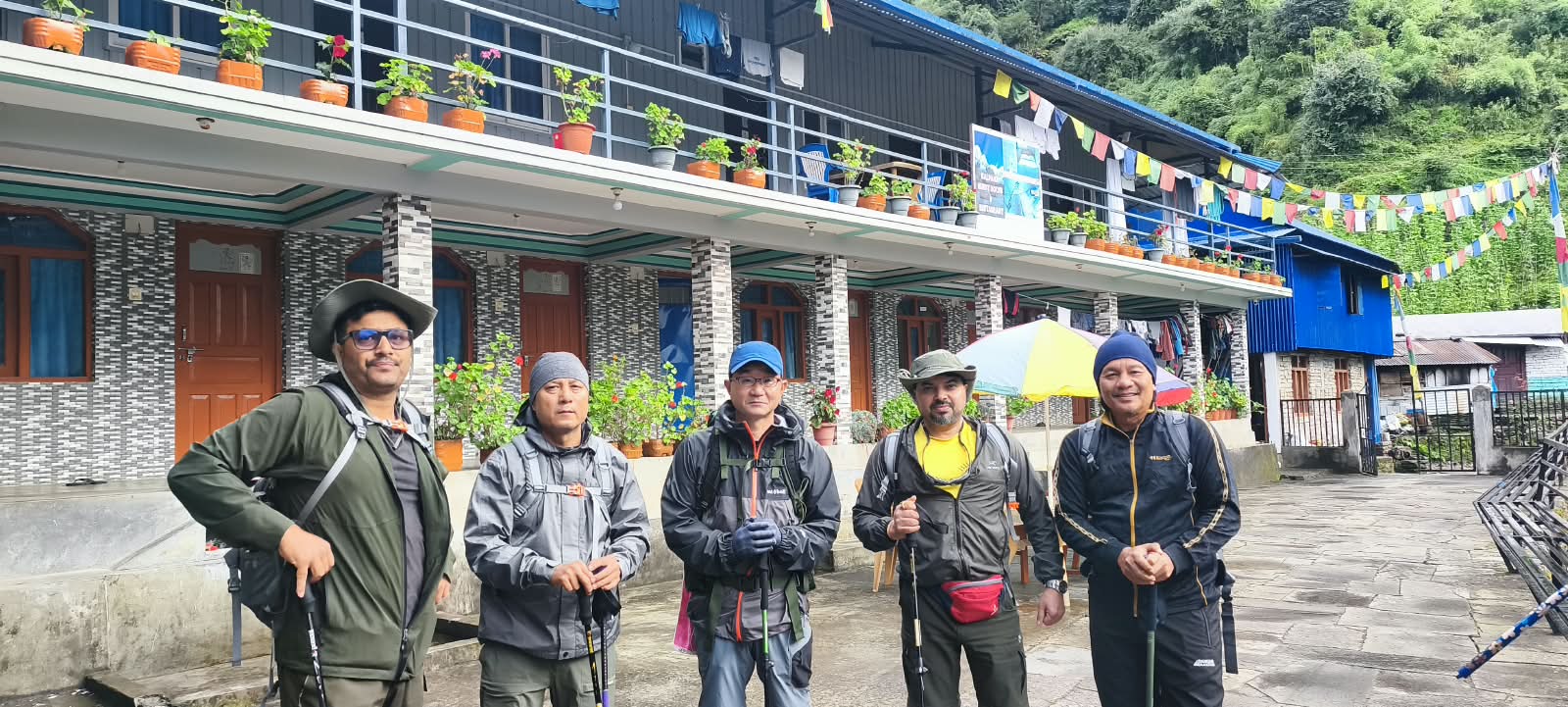
The Annapurna Base Camp (ABC) Trek is a popular Himalayan journey that takes you from the lower hills of Nepal to the heart of the Annapurna range. The trail passes through traditional mountain villages, terraced farmland, rhododendron forests, waterfalls, and river valleys before reaching Annapurna Base Camp at 4,130 meters.
One of the main attractions of the trek is the changing landscape. As you gain altitude, the warm green hills gradually give way to alpine terrain surrounded by high peaks. From the base camp, you can see Annapurna I (8,091 m), Annapurna South (7,219 m), Machhapuchhre (6,993 m), and other peaks of the Annapurna massif at close range.
The trek does not involve technical climbing, making it suitable for many first-time Himalayan trekkers with a reasonable level of fitness. The route also provides an opportunity to experience the culture of the Gurung and Magar communities, stay in local teahouses, and walk through villages along the Modi Khola valley.
Most ABC itineraries begin and end around Pokhara, with access to the trekking route through places such as Ghandruk or other trailheads depending on the chosen itinerary. The walking distance and duration can vary by route, but a typical trek takes around 10–15 days.
This Annapurna Base Camp Trek guide covers the key information you need before setting out, including the route, daily walking, accommodation, food, permits, packing list, weather, safety, altitude, and common challenges. Whether you are planning your first trek in Nepal or looking for a shorter Himalayan adventure, this guide will help you understand what to expect on the trail.
Quick Facts
| Fact | Details |
| Destination | Annapurna Base Camp |
| Maximum Elevation | 4,130 m |
| Duration | 7–12 days |
| Difficulty | Moderate |
| Best Seasons | Spring and Autumn |
Annapurna Base Camp Highlights
- Reach Annapurna Base Camp (4,130 m) surrounded by towering Himalayan peaks.
- See Annapurna I, Annapurna South, Hiunchuli, and Machhapuchhre (Fishtail) up close.
- Walk through traditional Gurung and Magar villages and experience local culture.
- Trek through rhododendron, bamboo, and forested trails.
- Stay in local mountain teahouses along the route.
- Relax in the natural hot springs at Jhinu Danda.
- Cross suspension bridges and follow the Modi Khola valley toward the base camp.
- Enjoy a moderate Himalayan trek that is suitable for many first-time trekkers.
- Experience a combination of mountain scenery, village life, forests, and Himalayan landscapes in one journey.
Annapurna Base Camp Trek Difficulty for Beginners
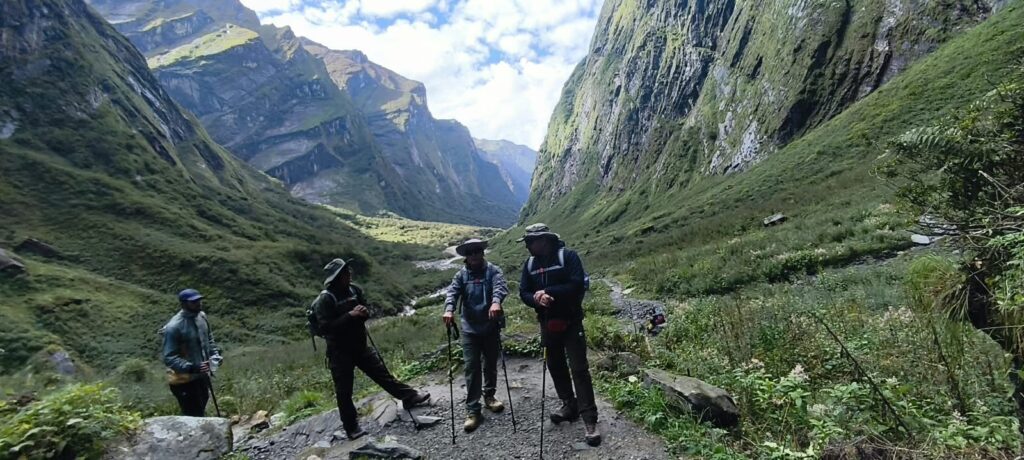
The Annapurna Base Camp Trek is generally considered a moderate trek and can be suitable for beginners who have good fitness and prepare properly. There are no technical climbing sections, but the trail still requires steady effort because of long walking days, stone staircases, steep uphill sections, and uneven mountain paths.
Most trekking days involve around 5–7 hours of walking, depending on the route and daily itinerary. The trail gradually changes from green hills and villages to forests and higher alpine landscapes. Some sections can be physically demanding, particularly when climbing a large number of stone steps or walking on rugged terrain.
Altitude is another factor beginners should understand. Depending on the route, the trek can begin at around 1,070 m and eventually reach Annapurna Base Camp at 4,130 m. Since the elevation increases significantly, proper pacing, hydration, rest, and a well-planned itinerary are important. Although serious altitude problems are less common on this trek than on some higher Himalayan routes, altitude-related symptoms can still occur.
Weather can also make the trail more difficult. Rain, snow, cold temperatures, and changing mountain conditions may affect walking conditions, especially at higher elevations. With suitable preparation, appropriate clothing, regular breaks, and a sensible walking pace, beginners can manage the Annapurna Base Camp Trek without technical trekking experience
Best Time for Annapurna Base Camp Trek for Beginners
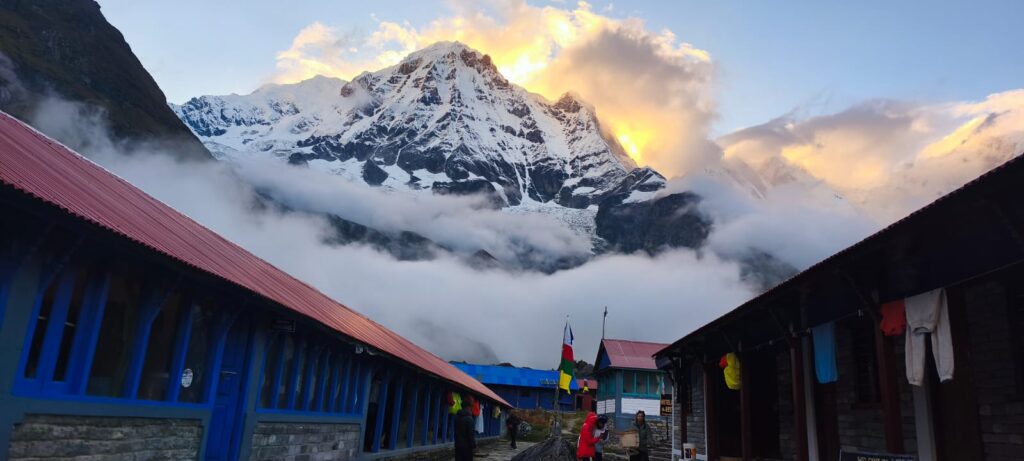
Choosing the right season can make the Annapurna Base Camp Trek more comfortable, especially for first-time trekkers. Although the route can be walked in different seasons, spring (March to May) and autumn (September to November) are generally preferred because of more favorable trekking conditions.
During spring, the weather is usually suitable for walking, and the hills along the lower sections of the trail become colorful as rhododendrons bloom. Temperatures are generally comfortable for daytime trekking, while the higher sections remain cool.
Autumn, from September to November, is another popular period for the ABC trek. After the summer monsoon, the trails are generally drier, and clear weather can provide good mountain visibility. October and November often bring cool mornings, crisp air, and favorable conditions for longer walking days.
For beginners, the monsoon season (June to August) can be less convenient because rain may make trails wet and slippery, while clouds can limit mountain views. Winter (December to February) brings colder temperatures and the possibility of snow at higher elevations, which can make some sections more difficult depending on conditions.
If you are planning your first Himalayan trek, spring and autumn offer a practical balance of weather, trail conditions, mountain views, and overall trekking comfort. However, conditions can change from year to year, so checking the latest weather and trail information before departure is still important.
Annapurna Base Camp Weather and Temperature
| Season | Day Temperature | Night Temperature | Weather |
| Spring (Mar–May) | 10°C to 20°C | 0°C to 5°C | Mild and clear |
| Summer/Monsoon (Jun–Aug) | 15°C to 22°C | 5°C to 10°C | Warm, wet, cloudy |
| Autumn (Sep–Nov) | 10°C to 20°C | 0°C to 5°C | Clear and stable |
| Winter (Dec–Feb) | 5°C to 15°C | -10°C to 0°C | Cold, snow possible |
Accommodation and Facilities
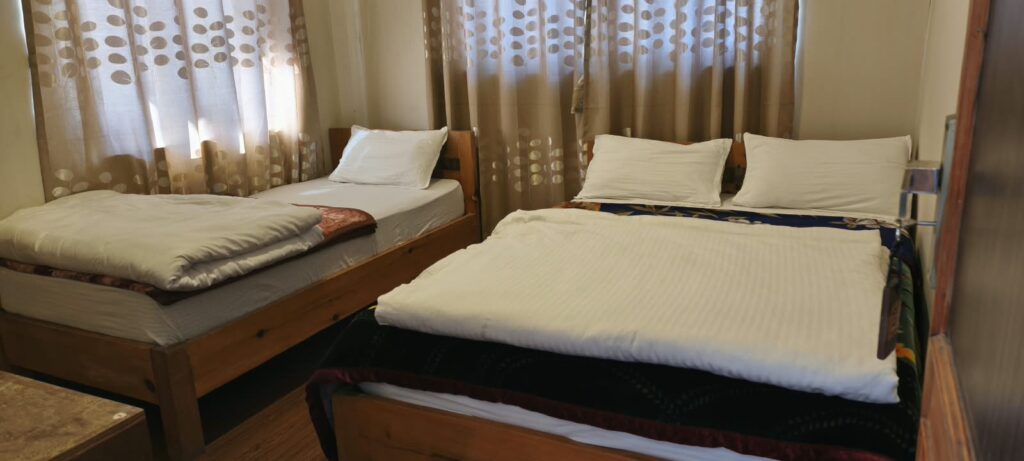
Accommodation on the Annapurna Base Camp Trek is mainly provided by local tea houses and lodges along the trail. These mountain stays are simple but provide the basic facilities trekkers need after a day of walking.
Tea Houses and Lodges
Tea houses are available in most villages along the ABC route. Rooms generally come with twin beds, mattresses, pillows, and blankets, although facilities can become more basic as you reach higher elevations. Bathrooms may be shared, while some lodges offer rooms with attached bathrooms.
Hot showers are available at many tea houses for an additional charge, but availability can vary by location and weather conditions. Wi-Fi and charging facilities may also be available in some lodges, usually for an extra fee.
For beginners trekking during colder months, carrying a sleeping bag is useful for extra warmth, particularly at higher elevations. It is also a good idea to carry some cash because card or digital payment facilities may not be available in every village.
Food and Water
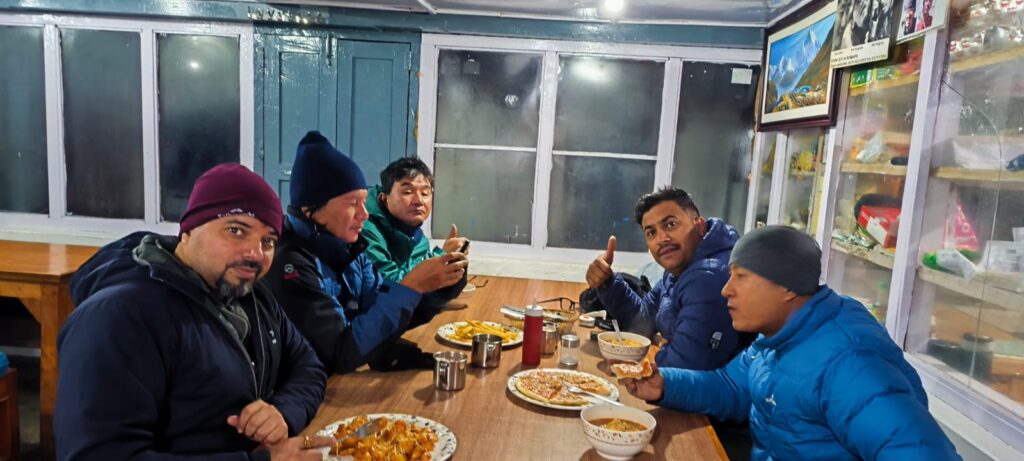
Tea houses along the Annapurna Base Camp Trek serve a range of meals, so you can usually find both local and familiar food during the journey. Dal bhat, momo, noodles, pasta, soups, fried rice, eggs, and other vegetarian and non-vegetarian dishes are commonly available.
For drinking water, avoid consuming untreated water directly from rivers, taps, or natural sources. You can purchase bottled water, or choose boiled or filtered water from tea houses. Carrying a reusable water bottle is a better option for reducing plastic waste along the trail.
Beginners should also consider carrying water purification tablets, a filter, or another reliable purification method as a backup. Drinking enough safe water throughout the day is particularly important during long walking sections.
Cultural Experiences for Beginners Along the Annapurna Base Camp Trail
The Annapurna Base Camp trail passes through villages where local culture and traditions remain an important part of daily life. Beginners may see temples, monasteries, mani walls, prayer flags, and other religious sites along the route. Some religious places may restrict photography, so always ask your guide or local people before taking pictures.
Respect for local customs is important throughout the trek. Dress modestly, avoid public displays of affection, and behave respectfully around religious sites and villages. Staying in local teahouses and guesthouses in villages such as Ghorepani, Tadapani, and Chhomrong also gives trekkers a chance to interact with local communities and learn more about Gurung and Magar culture.
How Safe Is the ABC Trek for Beginners?
The Annapurna Base Camp Trek is generally considered suitable for beginners who are physically prepared and follow basic trekking safety practices. The route has established trails, regular tea houses, and access to local guides and porters, making logistics easier for first-time trekkers.
However, the trek still involves steep stone steps, long ascents, changing weather, and increasing altitude. At 4,130 m, Annapurna Base Camp can cause altitude-related symptoms, so walking at a steady pace, staying hydrated, and allowing enough rest are important.
Local guides and porters can also help with navigation, accommodation, weather conditions, and carrying luggage. Eating regular meals such as dal bhat, carrying enough water, and following your guide’s advice can help you stay comfortable throughout the trek.
What to Pack for the Annapurna Base Camp Trek
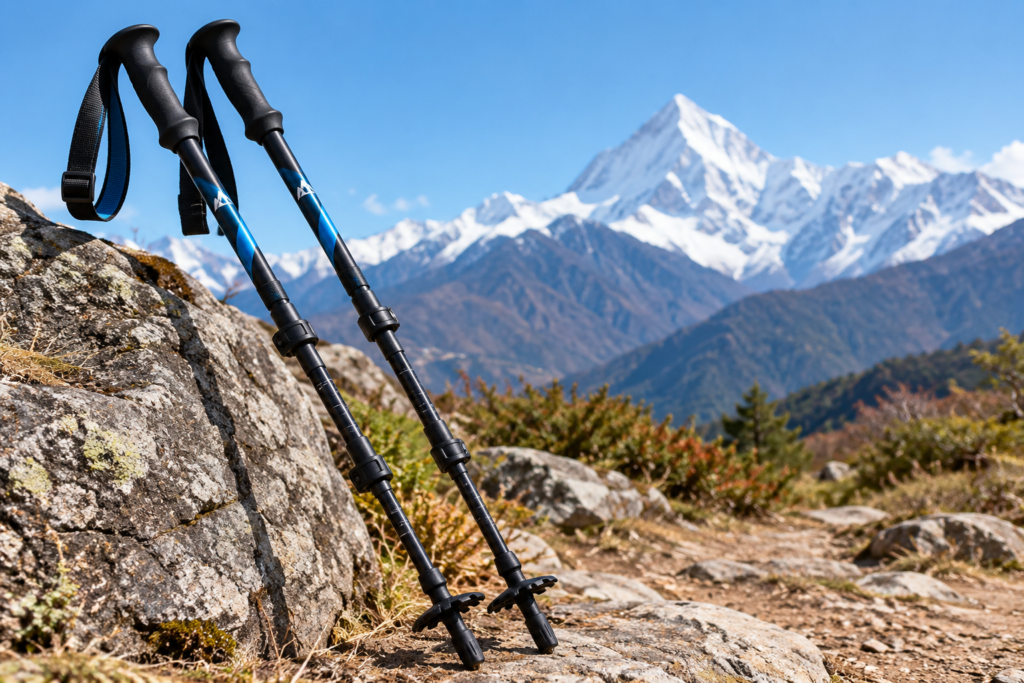
Pack light and carry only what you need. Most basic trekking gear can be rented or purchased in Pokhara before the trek.
Clothing
- Moisture-wicking base layers
- Fleece and warm down jacket
- Waterproof jacket and pants
- Trekking pants and thermal leggings
- Warm hat, gloves, and neck buff
Essential Gear
- Trekking poles
- Headlamp with spare batteries
- Sleeping bag or liner
- Sunglasses and SPF 50+ sunscreen
- Reusable water bottle and purification tablets/filter
Health & First Aid
- Blister plasters and basic first-aid supplies
- Personal medications
- Paracetamol and rehydration sachets
- Acetazolamide (Diamox) only after discussing it with a healthcare professional
Conclusion
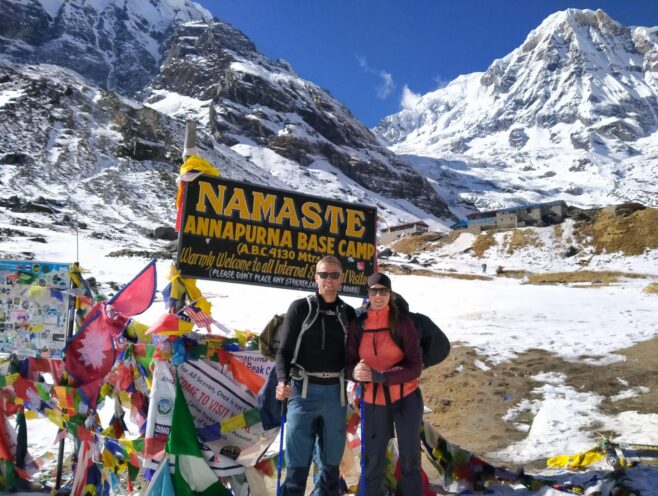
The Annapurna Base Camp Trek is a moderate Himalayan adventure that can be a suitable choice for beginners with proper preparation. The trail combines mountain scenery, traditional villages, forests, teahouse stays, and the dramatic landscapes around Annapurna Base Camp at 4,130 m.
For a comfortable experience, choose a suitable trekking season, prepare for 5–7 hours of daily walking, pack according to the weather, and take altitude seriously. A steady pace, enough rest, safe drinking water, and guidance from experienced trekking staff can make the journey easier.
With the right preparation and realistic expectations, first-time trekkers can experience the Annapurna region, local mountain culture, and close views of the Himalayan peaks without technical climbing experience.
Annapurna Base Camp Trek FAQs
1. Is Annapurna Base Camp Trek suitable for beginners?
Yes, the Annapurna Base Camp Trek is suitable for many beginners with a reasonable level of fitness and proper preparation. The trek is considered moderate and does not require technical climbing experience, but trekkers should be prepared for steep stone steps, uneven trails, long walking days, and altitude.
2. How difficult is the Annapurna Base Camp Trek?
The Annapurna Base Camp Trek is a moderate trek. Most trekking days involve around 5–7 hours of walking, with steep ascents, descents, stone staircases, and uneven mountain trails. Good fitness and a steady walking pace can make the trek more manageable.
3. What is the maximum altitude of Annapurna Base Camp Trek?
The maximum altitude of the standard Annapurna Base Camp Trek is 4,130 meters (13,550 feet) at Annapurna Base Camp. The significant increase in elevation makes proper pacing, hydration, rest, and acclimatization important.
4. How many days does the Annapurna Base Camp Trek take?
The Annapurna Base Camp Trek usually takes 7–12 days, depending on the starting point, route, transportation, walking pace, and itinerary. Some longer itineraries can take around 10–15 days when additional destinations or rest days are included.
5. What is the best time for Annapurna Base Camp Trek?
The best seasons for the Annapurna Base Camp Trek are spring (March–May) and autumn (September–November). These seasons generally offer suitable trekking conditions and good mountain visibility. Spring also brings rhododendron blooms along parts of the trail.
6. Can I do the Annapurna Base Camp Trek in winter?
Yes, you can trek to Annapurna Base Camp in winter, but temperatures are lower and snow can occur at higher elevations. December to February requires warmer clothing and preparation for potentially colder and more difficult trail conditions.
7. Can beginners do the Annapurna Base Camp Trek without previous trekking experience?
Yes, beginners without previous Himalayan trekking experience can complete the ABC Trek if they are reasonably fit and prepare properly. Regular walking or hiking before the trek can help prepare for long days, steep stairs, and uneven terrain.
8. How many hours do you walk each day on the ABC Trek?
Most days on the Annapurna Base Camp Trek involve approximately 5–7 hours of walking. The exact walking time varies according to the route, elevation gain, trail conditions, and the pace of the trekking group.
9. What permits are required for Annapurna Base Camp Trek?
Trekkers generally need an Annapurna Conservation Area Permit (ACAP) and a TIMS card for the Annapurna region. Permit requirements and fees can change, so trekkers should check the latest regulations before starting the trek.
10. What is the temperature at Annapurna Base Camp?
Temperatures vary considerably by season and altitude. During winter, nighttime temperatures at higher elevations can fall below 0°C, while spring and autumn generally have milder daytime conditions. Weather can change quickly, so warm and waterproof clothing is important.
11. Where do you stay during the Annapurna Base Camp Trek?
Accommodation is mainly available in local teahouses and lodges along the trail. Most provide basic rooms with beds, mattresses, pillows, and blankets. Bathrooms may be shared, and hot showers and Wi-Fi may be available for an additional fee.
12. What food is available on the Annapurna Base Camp Trek?
Teahouses commonly serve dal bhat, momo, noodles, pasta, fried rice, soups, eggs, and other local and international dishes. Dal bhat is particularly common because it provides a filling meal suitable for long trekking days.
13. Is drinking water available during the ABC Trek?
Yes, drinking water is available at various villages and teahouses along the Annapurna Base Camp Trek. Trekkers should avoid drinking untreated water directly from rivers, taps, or natural sources. Boiled, filtered, bottled, or properly treated water should be used.
14. Do I need a sleeping bag for Annapurna Base Camp Trek?
A sleeping bag is recommended for the ABC Trek, especially during colder seasons and at higher elevations. Although teahouses generally provide blankets, a sleeping bag provides additional warmth and comfort.
15. What should beginners pack for the Annapurna Base Camp Trek?
Beginners should pack layered clothing, a warm down jacket, waterproof clothing, trekking shoes, trekking poles, a sleeping bag, headlamp, sunglasses, sunscreen, reusable water bottles, and basic first-aid supplies. Packing light is recommended because porters or trekkers need to carry the luggage throughout the route.
16. Is altitude sickness a problem on the Annapurna Base Camp Trek?
Altitude sickness can occur because Annapurna Base Camp reaches 4,130 meters. Symptoms can include headache, nausea, dizziness, and unusual tiredness. Trekkers should ascend at a sensible pace, stay hydrated, rest when needed, and inform their guide if they develop symptoms.
17. Do I need a guide for the Annapurna Base Camp Trek?
Guide requirements can depend on the current regulations and route. Even where independent trekking is permitted, a registered guide can assist with navigation, accommodation, weather conditions, and emergencies. Check the latest Nepal trekking regulations before departure.
18. What cultural experiences can beginners expect on the ABC Trek?
The trail passes through Gurung and Magar communities, traditional villages, temples, monasteries, mani walls, and prayer flags. Staying in local teahouses also provides opportunities to interact with mountain communities and learn about local traditions.
19. What mountains can you see from Annapurna Base Camp?
From Annapurna Base Camp, trekkers can see Annapurna I (8,091 m), Annapurna South (7,219 m), Hiunchuli, Machhapuchhre (6,993 m), and other peaks of the Annapurna massif. The mountains surround the base camp, creating a close view of the Himalayan landscape.
20. Is Annapurna Base Camp Trek safe for first-time trekkers?
The Annapurna Base Camp Trek can be suitable for first-time trekkers when they prepare properly and follow basic safety practices. Trekkers should be prepared for steep trails, changing weather, long walking days, and altitude. Staying hydrated, maintaining a steady pace, carrying suitable clothing, and following guide or local safety advice are important.

Ramchandra Lamichhane
Trekking Expert
No hidden fees • Local experts • Best price guarantee