
Can Beginners do the Everest Base Camp Trek?
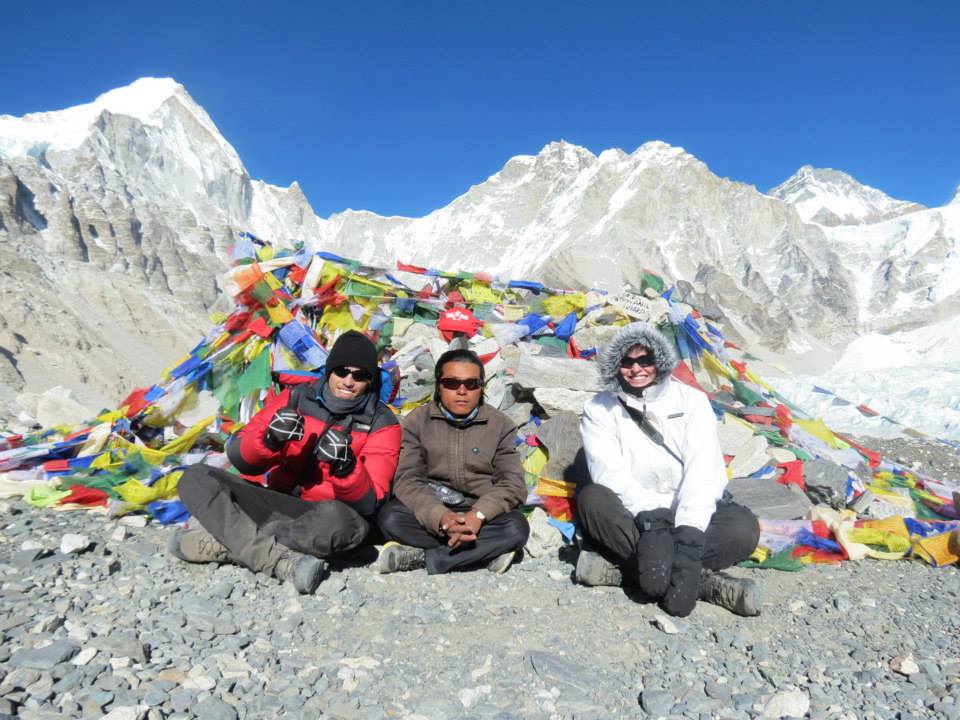
The Everest Base Camp Trek is often imagined as an adventure reserved for experienced mountaineers. The reality is quite different. You do not need to climb Mount Everest, carry technical climbing equipment, or have years of Himalayan trekking experience to reach Everest Base Camp. With sensible preparation, gradual acclimatization, reasonable fitness, and the right itinerary, beginners can successfully complete the Everest Base Camp Trek.
The journey is demanding, but its difficulty comes mainly from altitude, long walking days, changing weather, and rugged mountain trails rather than technical climbing. For a first-time trekker, preparation and patience are much more important than being an expert hiker.
If you have dreamed of standing beneath the world’s highest mountain, the Everest Base Camp Trek can be an achievable and deeply rewarding first Himalayan adventure.
Introduction
Yes, the Everest Base Camp Trek is suitable for many beginners.
The standard trek follows established mountain trails through the Khumbu region, passing through famous Sherpa villages, Buddhist monasteries, suspension bridges, forests, valleys, and high-altitude settlements before reaching Everest Base Camp at about 5,364 meters.
You do not need mountaineering skills because the trek does not involve technical rock climbing or glacier climbing. However, you should be prepared to walk for several hours on consecutive days.
The most important factors are physical preparation, mental resilience, acclimatization, and a carefully planned itinerary.
A beginner who trains properly and walks at a comfortable pace may have a much better experience than an experienced hiker who rushes toward Base Camp without allowing enough time for altitude adjustment.
What Makes the Everest Base Camp Trek Challenging?
The Everest Base Camp Trek is not an easy walk, but neither is it an extreme expedition.
The biggest challenge is altitude. As you climb higher, the air contains less oxygen, making normal activities more tiring. Even fit people can feel the effects of altitude.
Other challenges include:
- Long walking days
- Steep stone steps
- Rocky and uneven trails
- Frequent uphill and downhill sections
- Cold mornings and evenings
- Changing mountain weather
- Limited facilities at higher elevations
- Several days away from modern conveniences
- Sleeping at high altitude
The trek also requires patience. Some days may feel easy, while others can seem surprisingly tiring. A positive attitude and willingness to walk slowly can make a significant difference.
Do You Need Previous Trekking Experience for EBC?
No. Previous trekking experience is helpful but not compulsory.
Many first-time trekkers successfully reach Everest Base Camp every year. What matters more is whether you are comfortable walking for several hours and whether you have prepared your body for consecutive days of physical activity.
If you have never completed a multi-day trek, start training several weeks or months before departure. Regular hiking is particularly useful because it helps you understand how your body responds to climbs and descents.
Beginners should also avoid comparing themselves with other trekkers. Everyone adapts to altitude differently.
The goal is not to be the fastest person on the trail. The goal is to reach Base Camp safely and enjoy the journey.
How Fit Do You Need to Be for the Everest Base Camp Trek?
You do not need to be an athlete to complete EBC, but you should have a reasonable level of endurance.
Most trekking days involve several hours of walking. Some sections are steep, and the higher altitude can make the same distance feel harder than it would at sea level.
A good beginner training routine should include:
- Brisk walking
- Hiking on hills or stairs
- Jogging or cycling
- Squats and lunges
- Core-strength exercises
- Longer weekend walks
- Regular cardiovascular exercise
Gradually increase the length of your walks instead of suddenly attempting very long hikes.
It is also useful to train while carrying a light daypack. This helps your shoulders, back, and legs become accustomed to trekking with personal essentials.
Beginner-Friendly Everest Base Camp Trek Itinerary
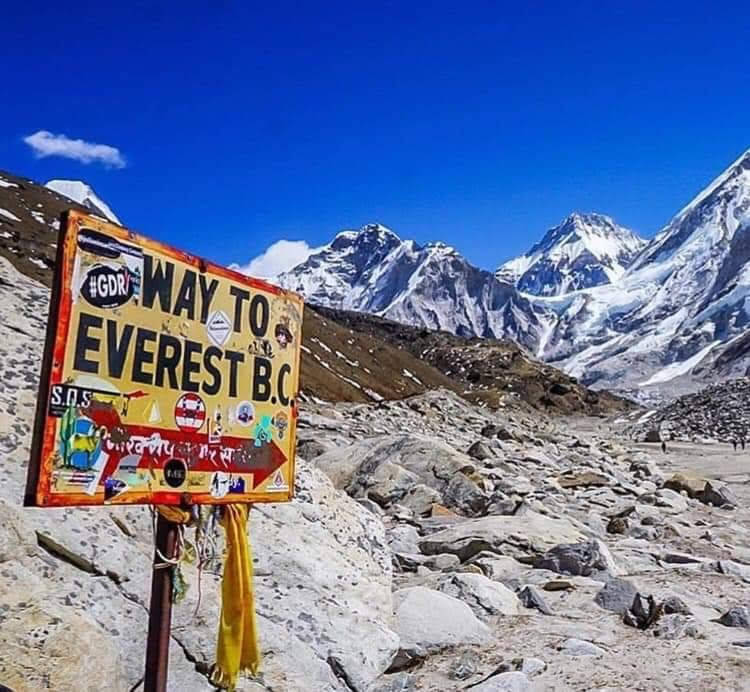
A beginner-friendly itinerary should never be designed simply to reach Base Camp as quickly as possible. Acclimatization should be a priority.
A comfortable itinerary can take around 12–14 trekking days, depending on the starting point, acclimatization schedule, and chosen route.
A typical itinerary may look like:
- Day 1: Fly to Lukla and trek to Phakding
- Day 2: Phakding to Namche Bazaar
- Day 3: Acclimatization day in Namche Bazaar
- Day 4: Namche Bazaar to Tengboche
- Day 5: Tengboche to Dingboche
- Day 6: Acclimatization day in Dingboche
- Day 7: Dingboche to Lobuche
- Day 8: Lobuche to Everest Base Camp and return to Gorak Shep
- Day 9: Early morning hike to Kala Patthar and trek toward Pheriche
- Day 10: Pheriche to Namche Bazaar
- Day 11: Namche Bazaar to Lukla
- Day 12: Fly from Lukla to Kathmandu
The itinerary can be adjusted according to weather, flight conditions, walking ability, and acclimatization needs.
For beginners, adding flexibility is always better than trying to follow an unnecessarily tight schedule.
Everest Base Camp Trek Difficulty: What Beginners Should Expect
The Everest Base Camp Trek is generally considered a moderate to challenging high-altitude trek.
The difficulty does not come from technical climbing. Instead, it results from the combination of altitude, distance, terrain, weather, and repeated walking days.
You may encounter:
- Stone staircases
- Rocky paths
- Narrow mountain trails
- Suspension bridges
- Steady uphill climbs
- Long downhill sections
- Snow or ice during colder months
The higher you go, the slower you should walk.
A beginner should adopt a comfortable rhythm rather than trying to maintain the pace used at home. Slow and steady is often the most effective strategy in the Himalayas.
Altitude on the Everest Base Camp Trek
Altitude is the most important issue beginners should understand before starting the trek.
The trail gradually rises from the lower valleys toward Everest Base Camp at approximately 5,364 meters. The high elevation means your body receives less oxygen than it does at lower altitudes.
Common symptoms of mild altitude sickness can include:
- Headache
- Tiredness
- Dizziness
- Reduced appetite
- Difficulty sleeping
- Shortness of breath during exertion
These symptoms should never be ignored if they become severe or worsen.
The safest approach is gradual ascent, adequate rest, hydration, and careful monitoring of how you feel.
Acclimatization: The Key to a Successful Beginner Everest Base Camp Trek
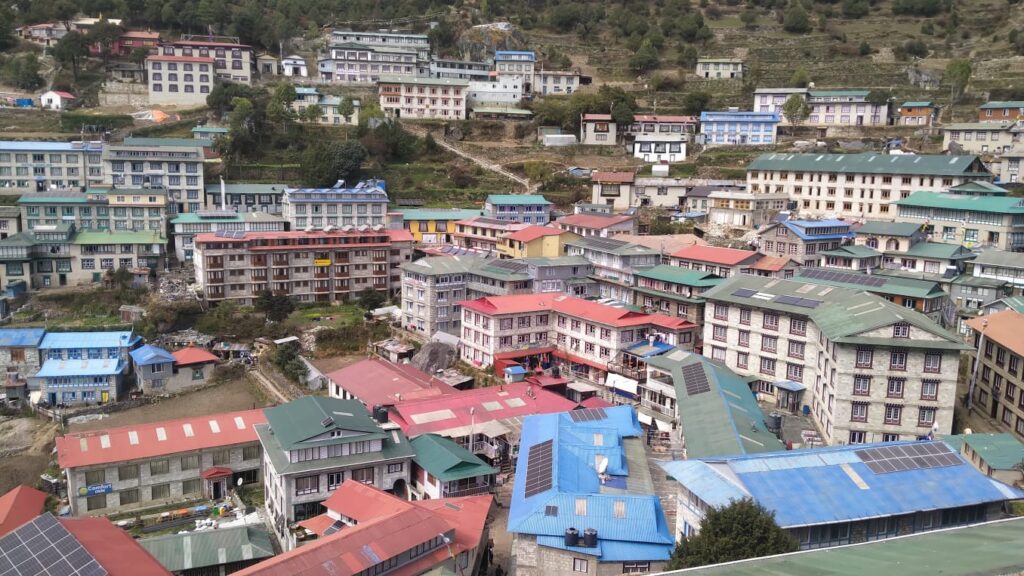
Acclimatization is one of the most important parts of the entire trek.
The body needs time to adjust to decreasing oxygen levels. That is why well-designed itineraries include rest or acclimatization days at places such as Namche Bazaar and Dingboche.
An acclimatization day does not necessarily mean staying inside the teahouse all day. Trekkers often take a short hike to a higher viewpoint and then return to sleep at the same elevation.
During acclimatization:
- Walk slowly
- Drink enough water
- Eat properly
- Get sufficient sleep
- Avoid overexertion
- Monitor altitude-related symptoms
- Tell your guide if you feel unwell
Never treat acclimatization days as wasted time. They are an essential investment in your safety and trekking success.
Can Beginners Handle the High Altitude Without Experience?
Yes, many beginners can handle high altitude, but nobody can guarantee exactly how an individual body will respond.
Fitness alone does not prevent altitude sickness. A very fit person can experience altitude problems, while someone with average fitness may adapt well.
This is why altitude should be respected rather than feared.
A responsible itinerary, experienced guide, appropriate pace, rest days, and honest communication are valuable for first-time trekkers.
If symptoms become serious, the correct response is not to push harder. Your trekking team should assess the situation and follow an appropriate descent or evacuation plan when necessary.
How Should Beginners Train for Everest Base Camp Trek?
Start training well before your trip.
A practical beginner program can combine regular walking with progressively longer hikes.
For example, begin with 30–45 minutes of brisk walking and gradually increase the duration. Include stairs or uphill walking to strengthen your legs and improve cardiovascular endurance.
Strength training can focus on:
- Squats
- Step-ups
- Lunges
- Calf raises
- Planks
- Glute exercises
Long weekend hikes are particularly useful because they simulate the repetitive nature of trekking.
Training is not only about physical strength. It also helps build confidence. When your body becomes accustomed to several hours of walking, the actual trek becomes less intimidating.
What Is the Everest Base Camp Trail Really Like?
The trail changes dramatically as you move deeper into the Khumbu.
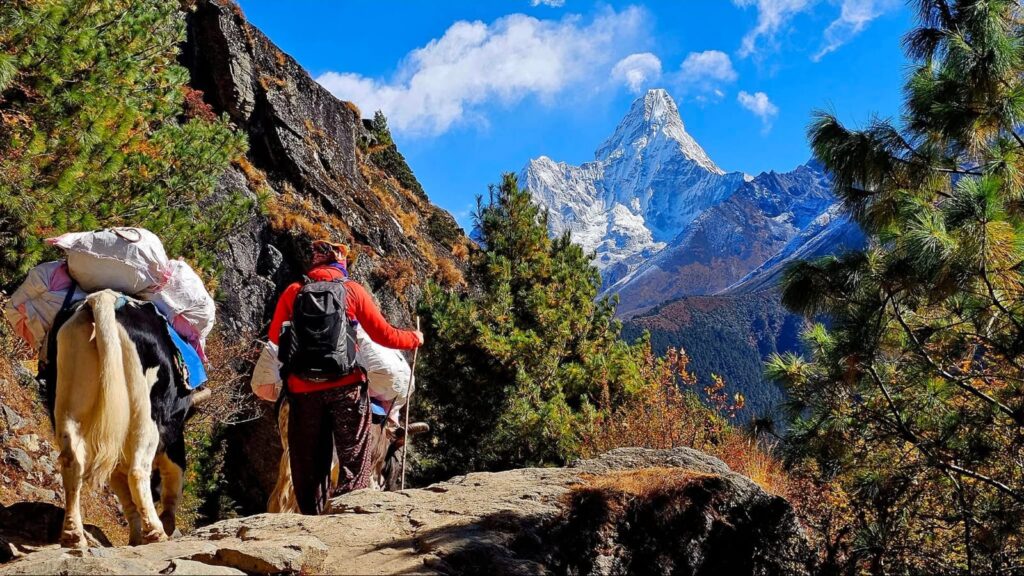
Lower sections may pass through pine and rhododendron forests, rivers, waterfalls, and traditional villages. Near Namche Bazaar, the landscape becomes more rugged and expansive.
Higher sections feature barren mountain slopes, glacial valleys, rocky trails, and spectacular Himalayan peaks.
You will cross suspension bridges decorated with prayer flags and pass through settlements where Sherpa culture remains deeply connected with mountain life.
The trail is not a smooth hiking path. Expect uneven stones, steps, dust, rocks, and occasional muddy or snowy sections depending on the season.
The changing landscape is one of the reasons the trek is so memorable.
What Should Beginners Pack for Everest Base Camp?
Packing correctly is especially important for first-time trekkers.
Essential items generally include:
- Comfortable trekking boots
- Warm down jacket
- Waterproof and windproof jacket
- Trekking trousers
- Thermal base layers
- Warm fleece
- Trekking socks
- Warm hat and gloves
- Sunglasses
- Sunscreen
- Reusable water bottle
- Headlamp
- Trekking poles
- Personal medication
- Basic first-aid supplies
- Sleeping bag suitable for cold conditions
- Backpack or daypack
- Power bank and charging accessories
Do not pack your entire wardrobe. Every unnecessary kilogram becomes noticeable during a long uphill day.
What Kind of Food and Accommodation Can Beginners Expect?
Accommodation along the EBC route is generally provided by local teahouses and lodges.
Rooms are usually simple, with beds, mattresses, blankets, and basic furniture. Bathrooms may be shared, particularly at higher elevations.
Food is surprisingly varied for such a remote region. Dal bhat is one of the most dependable meals, while menus may also include noodles, pasta, rice dishes, soup, potatoes, eggs, bread, porridge, and hot drinks.
As altitude increases, facilities become more basic and prices generally rise.
Beginners should focus less on luxury and more on staying warm, hydrated, well-fed, and rested.
Can Beginners Trek to Everest Base Camp Without a Guide?
It is possible to trek in the Everest region independently, but first-time trekkers may find a professional guide extremely helpful.
A knowledgeable local guide can assist with:
- Route navigation
- Accommodation arrangements
- Daily pacing
- Altitude awareness
- Communication
- Local customs
- Weather-related decisions
- Emergency situations
For someone experiencing high-altitude trekking for the first time, having a reliable local professional can provide both practical assistance and peace of mind.
What Permits Are Required for Everest Base Camp Trek?
Trekkers entering the Everest region generally need the Sagarmatha National Park Entry Permit and the Khumbu Pasang Lhamu Rural Municipality Permit.
The exact fees and local regulations can change, so permits should be checked and arranged according to the latest requirements before departure.
A registered trekking company can help organize the necessary permits and documentation so beginners do not have to manage every administrative detail themselves.
Best Time for Beginners to Trek to Everest Base Camp
For beginners, spring and autumn are generally the most favorable seasons.
Spring, especially from March to May, brings relatively stable conditions, clear mountain views, and pleasant trekking temperatures.
Autumn, particularly from September to November, is another excellent period, with generally clear skies and good visibility.
Winter offers a quieter trail but brings much colder conditions and possible snow. Monsoon can bring rain, clouds, slippery trails, and flight disruptions.
If this is your first Himalayan trek, choosing a season with more predictable conditions can make the experience considerably easier.
Common Mistakes First-Time EBC Trekkers Should Avoid
Beginners often make mistakes because they underestimate the effect of altitude.
Some common mistakes include:
- Walking too quickly
- Ignoring early altitude symptoms
- Skipping acclimatization
- Carrying too much luggage
- Not drinking enough water
- Wearing unsuitable footwear
- Underestimating cold temperatures
- Trying to save time by shortening the itinerary
- Not preparing physically
- Comparing their pace with other trekkers
The mountains reward patience.
You do not need to prove how strong you are. You simply need to take the next step consistently.
How Can Beginners Stay Safe During the EBC Trek?
Safety begins before you reach the mountains.
Choose a sensible itinerary, prepare physically, pack appropriate clothing, and understand the symptoms of altitude sickness.
During the trek, stay hydrated, eat regular meals, protect yourself from the sun, and communicate honestly with your guide.
Weather can change quickly in the mountains. Flight delays are also possible, particularly around Lukla. Therefore, keeping some flexibility in your travel schedule is wise.
Most importantly, never hide health problems because you are afraid of turning around. In the Himalayas, making a safe decision is far more important than reaching a particular destination on a particular day.
How Much Does Everest Base Camp Trek Cost for Beginners?
The cost varies according to the itinerary, season, accommodation, guide and porter services, transportation, and personal spending habits.
Major expenses can include:
- Kathmandu accommodation
- Lukla transportation
- Trekking permits
- Guide and porter services
- Teahouse accommodation
- Meals
- Trekking equipment
- Travel insurance
- Personal expenses
- Hot showers and charging
- Emergency or contingency costs
A carefully organized package can make budgeting easier because many major trekking expenses are included in advance.
Beginners should also keep an emergency fund rather than planning their budget down to the last dollar.
Can Someone With No Mountain Experience Reach Everest Base Camp?
Yes, A person who has never trekked in the Himalayas can reach Everest Base Camp if they prepare appropriately and respect the demands of high altitude.
The journey is not about having extraordinary athletic ability. It is about preparation, consistency, patience, and the willingness to adapt.
You will have difficult moments. Your legs may feel heavy. The cold may test your patience. A long uphill section may seem endless.
But then you may look across the valley and see Ama Dablam glowing in the morning light, walk beneath prayer flags, hear the sound of a mountain river, or finally stand at Everest Base Camp.
Those moments make the effort worthwhile.
Why Choose Create Himalaya Adventure for Your First EBC Trek?
Choosing the right trekking company can make a significant difference, especially when Everest Base Camp is your first high-altitude adventure.
Create Himalaya Adventure brings more than 19 years of experience in organizing trekking and Himalayan adventures in Nepal. Our approach is based on carefully planned itineraries, experienced local guides, practical assistance, and personalized service.
For beginners, we focus on creating a trekking experience that is comfortable, realistic, and properly paced rather than simply rushing from Kathmandu to Everest Base Camp.
Our local team can assist with transportation, permits, accommodation, trekking arrangements, guides, porters, and day-to-day support throughout the journey. We also believe responsible tourism should benefit the communities and people who make the Himalayan trekking experience possible.
Most importantly, we understand that every trekker is different. A first-time trekker may need more guidance, a slower pace, additional preparation, or a little extra encouragement. Our goal is to make the Everest Base Camp journey feel achievable while maintaining a strong focus on safety and responsible travel.
Final Thoughts
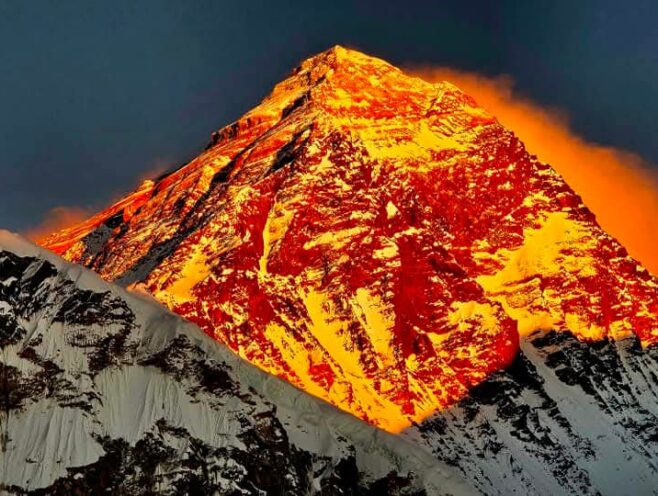
Yes, beginners can do the Everest Base Camp Trek.
You do not need previous Himalayan trekking experience or mountaineering skills. What you do need is reasonable fitness, proper preparation, enough time for acclimatization, suitable equipment, and a willingness to walk at a steady pace.
The Everest Base Camp Trek is challenging, but its challenges are manageable when approached intelligently.
Prepare your body before leaving home. Choose an itinerary that allows proper acclimatization. Listen to your guide and your body. Respect the altitude. Take your time.
The trail to Everest Base Camp is not a race. It is a gradual journey through one of the world’s most extraordinary mountain landscapes.
For a beginner, reaching Everest Base Camp can be much more than simply completing a trek. It can be the moment you discover that a dream that once seemed impossibly high was actually within your reach.
FAQs
1. Can I Charge My Phone During the Everest Base Camp Trek?
Yes, most teahouses along the route provide charging facilities, although availability can become limited at higher elevations. Charging may cost extra, so carrying a power bank is a practical backup.
2. Is There Mobile Phone Coverage on the Everest Base Camp Trail?
Mobile connectivity varies from place to place. Some villages have reasonable network coverage, while connectivity can be weak or unavailable in remote sections. Local SIM cards and available mountain internet services can help, but trekkers should not expect constant connectivity.
3. Can I Use Wi-Fi During the EBC Trek?
Wi-Fi is available in many teahouses and lodges, particularly in larger villages. The connection can become slower and less reliable as you climb higher. It is best to treat internet access as a convenience rather than something you can depend on throughout the trek.
4. How Much Drinking Water Should I Carry Each Day?
Most trekkers carry around two to three liters of water and refill along the trail. Refill stations, teahouses, and shops are available in many settlements. Using a reliable purification method is recommended when refilling untreated water.
5. Are Hot Showers Available on the Everest Base Camp Trek?
Hot showers are available in many teahouses, especially in lower villages, but they become less common and more expensive at higher elevations. Some trekkers choose to reduce showers at altitude to stay warm and save energy.
6. Can I Withdraw Cash During the EBC Trek?
ATM availability is limited and should not be relied upon throughout the trek. Namche Bazaar has financial services, but higher villages have fewer options. Carrying enough Nepalese rupees from Kathmandu is therefore a sensible choice.
7. Will I Be Able to Use Credit Cards on the Trek?
Some hotels, restaurants, and shops in larger settlements may accept cards, but cash remains the most dependable payment method. Small mountain businesses may only accept Nepalese currency, particularly in remote villages.
8. Are There Toilets Along the Everest Base Camp Trail?
Teahouses and lodges provide toilet facilities, while some sections of the trail have limited public facilities. As you climb higher, facilities generally become simpler. Carrying tissues and personal hygiene supplies is highly recommended.
9. Can I Do Laundry During the Everest Base Camp Trek?
Small amounts of laundry can usually be done at teahouses in lower settlements. However, drying clothes becomes difficult in cold and high-altitude areas. Packing quick-drying trekking clothes and carrying enough spare layers is more practical than depending on laundry services.
10. Is It Possible to Charge a Camera or Drone Battery on the EBC Trek?
Camera and other electronic batteries can generally be charged in teahouses where electricity is available. Drone use is subject to Nepal’s aviation and local regulations, so anyone planning to carry or operate a drone should check the current requirements before the trek.
11. Can I Get Vegetarian or Vegan Meals on the EBC Trail?
Yes. Vegetarian food is widely available, and many teahouses can prepare simple plant-based meals. If you follow a strict vegan diet, explaining your requirements clearly to the lodge or guide is advisable because some dishes may contain dairy or eggs.
12. Are There Bakeries and Coffee Shops on the Everest Base Camp Route?
Yes. Namche Bazaar and several other popular villages have bakeries, cafés, and coffee shops. These provide a pleasant place to enjoy pastries, coffee, tea, or snacks during the trek, although choices become more limited at higher elevations.
13. Can I Buy Trekking Supplies Along the EBC Route?
Basic trekking supplies can be purchased in places such as Lukla and Namche Bazaar. Shops may sell gloves, hats, socks, snacks, toiletries, batteries, and other essentials. However, specialized equipment is better purchased and tested in Kathmandu before starting the trek.
14. Is It Possible to Send Excess Luggage Back From the Trek?
Yes. If you discover that you are carrying unnecessary items, arrangements can sometimes be made to store or send luggage back through your trekking company or local accommodation. It is better to organize this before leaving Kathmandu.
15. Can I Take a Helicopter From Everest Base Camp?
Helicopter flights are possible in the Everest region, usually for emergency evacuation or other approved purposes. Weather, landing conditions, availability, regulations, and cost all affect whether a flight can operate. Helicopter evacuation should not be treated as an ordinary transportation option without proper arrangements and insurance.
16. Can I Meet Local Sherpa Families During the Trek?
Yes. The EBC route passes through numerous Sherpa settlements where visitors can experience local hospitality, architecture, traditions, monasteries, and mountain culture. Respectful interaction with local communities can make the trek much more meaningful.
17. Are Photography Opportunities Good for First-Time Trekkers?
Absolutely. The route offers constantly changing scenery, from forests and suspension bridges to enormous Himalayan peaks and glacial valleys. Early morning and late afternoon often provide beautiful natural light. A lightweight camera or smartphone is usually sufficient for most trekkers.
18. Can I Trek to Everest Base Camp if I Am a Solo Traveler?
Yes, solo travelers can join an organized trek or arrange services such as a guide and porter. Joining a small group is another option for people who want companionship while keeping the experience manageable and social.
19. What Should I Do With My Passport and Important Documents During the Trek?
Keep your passport, permits, insurance details, emergency contacts, and other important documents in a waterproof and secure pouch. Carry digital backups as well, but do not rely exclusively on your phone because battery and connectivity may be limited.
20. Is Everest Base Camp Worth It Even If I Am Not Interested in Mountaineering?
Yes. The trek is much more than a journey toward a mountain summit. It combines Himalayan scenery, Sherpa heritage, Buddhist traditions, remote villages, historic trails, and the experience of living at high altitude. You can enjoy the Everest region without having any intention of climbing a mountain.
Ramchandra Lamichhane
Trekking Expert
No hidden fees • Local experts • Best price guarantee