
Everest View Hotel: Nepal’s Iconic Himalayan Viewpoint
Introduction: A Hotel Above the Clouds
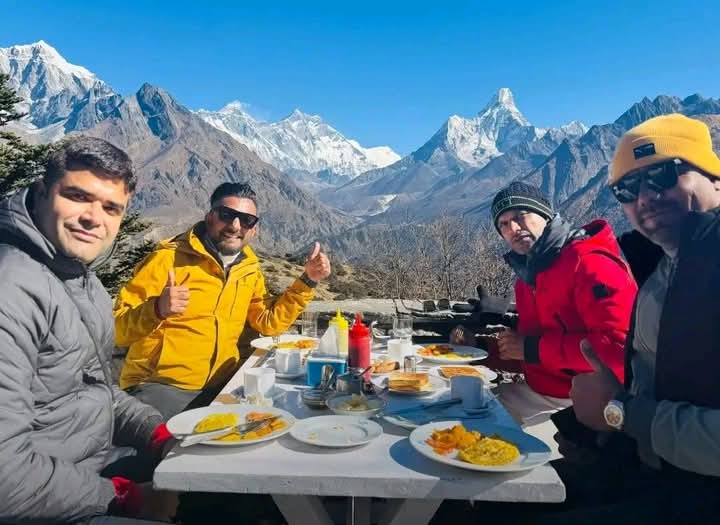
High in the Khumbu Himalayas, there is a place where a cup of tea can come with a view of Mount Everest. Everest View Hotel is one of Nepal’s most remarkable mountain destinations, offering travelers an opportunity to experience the Everest region without trekking all the way to Everest Base Camp. Set above Namche Bazaar in the Syangboche area, the hotel is surrounded by an extraordinary collection of Himalayan peaks, traditional Sherpa settlements, Buddhist landmarks and peaceful mountain landscapes.
The journey to Everest View Hotel is part of the attraction. Depending on the itinerary, travelers begin with a scenic flight toward Lukla and then continue on foot through the Dudh Koshi Valley. The trail passes suspension bridges, pine and rhododendron forests, prayer flags, mani walls and Sherpa villages before reaching Namche Bazaar. From Namche, a shorter uphill excursion leads toward Syangboche and the famous hotel. The combination of mountain scenery and cultural discovery makes this more than an ordinary viewpoint visit.
For trekkers heading toward Everest Base Camp, Everest View Hotel is also a valuable acclimatization destination. For travelers with limited time, it offers a taste of the Everest region in a shorter itinerary. Whether you come for the mountains, photography, Sherpa culture, Buddhist heritage or simply the experience of standing high above the Khumbu Valley, Everest View Hotel can become one of the most memorable stops on your Nepal journey.
Everest View Hotel: A Unique Himalayan Landmark
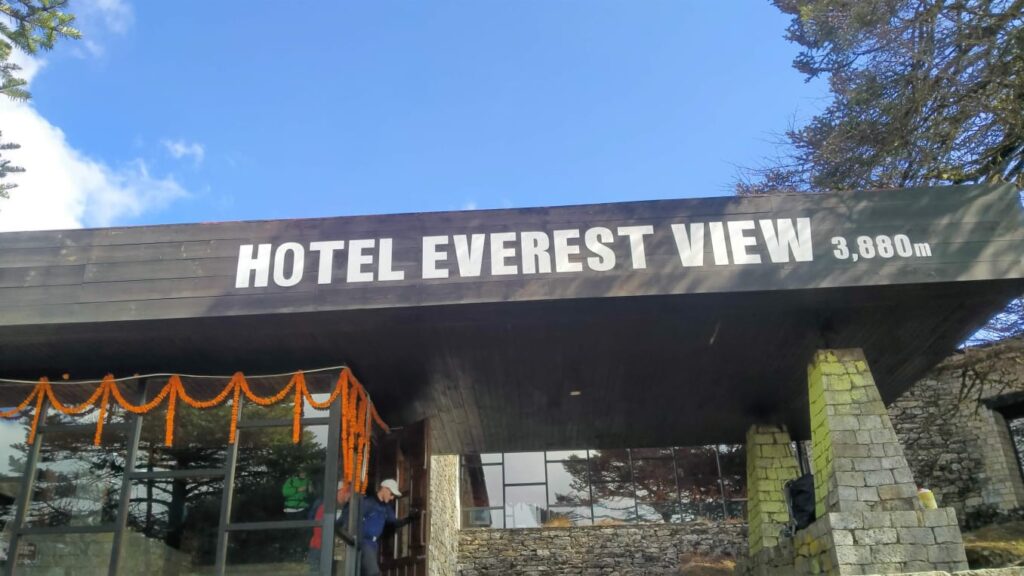
Everest View Hotel has a special place in the history of Himalayan tourism. It was established in the early 1970s through the vision of Japanese entrepreneur Takashi Miyahara, who wanted to create a comfortable mountain retreat with exceptional views of Everest and the surrounding peaks.
The project was ambitious for its time. The location was remote, there were no roads reaching the construction site, and transporting building materials into the high mountains required enormous effort. Local porters carried supplies through difficult terrain, while helicopters were also used to move certain materials.
The hotel opened in 1971, becoming one of the most unusual hospitality projects in the Everest region. Its appeal has never depended on conventional luxury. Instead, its greatest feature is its location. Few places allow visitors to sit comfortably at nearly 4,000 meters while looking across a panorama containing Everest and several other Himalayan giants.
Where Is Everest View Hotel Located?
Everest View Hotel lies in the Syangboche area above Namche Bazaar, in Solukhumbu District of eastern Nepal. The destination is situated inside Sagarmatha National Park, the protected Himalayan landscape that contains much of the Everest trekking region.
The hotel is positioned on an elevated ridge rather than deep inside a crowded settlement. This gives visitors an open outlook across the mountains and valleys.
The surrounding region is culturally rich as well as geographically dramatic. Namche Bazaar, Khumjung, Khunde and other Sherpa communities are located nearby. Traditional houses, Buddhist shrines, prayer flags and stone walls form an important part of the landscape. Its location also makes Everest View Hotel a convenient destination for an acclimatization excursion from Namche Bazaar.
How High Is Everest View Hotel?
Everest View Hotel is commonly described as being at approximately 3,880 meters (12,730 feet) above sea level. Some references give a higher figure of around 3,962 meters, so visitors may encounter different elevations when researching the hotel. Whichever figure is used, there is no doubt that this is a high-altitude destination.
The elevation is an important consideration for travelers. The air contains less oxygen than at lower elevations, and the body needs time to adapt. This is why a gradual ascent through Lukla, Phakding and Namche Bazaar is preferable to rushing directly to the hotel. The altitude is also one reason the Everest View Hotel excursion works particularly well as part of an acclimatization day.
How to Reach Everest View Hotel
The classic journey combines a flight to Lukla and trekking through the Khumbu Valley. Travelers normally begin in Kathmandu. During periods of heavy air traffic, flights for trekkers may operate from Ramechhap/Manthali, depending on aviation arrangements.
From Lukla, the trail follows the Dudh Koshi Valley toward Namche Bazaar. After spending time acclimatizing in Namche, trekkers can hike toward Syangboche and Everest View Hotel.
A simplified route is:
Kathmandu → Lukla → Phakding → Namche Bazaar → Syangboche → Everest View Hotel
The destination can also be incorporated into longer journeys such as the Everest Base Camp Trek, Gokyo Valley Trek and Everest Three High Passes Trek.
Kathmandu to Lukla Flight
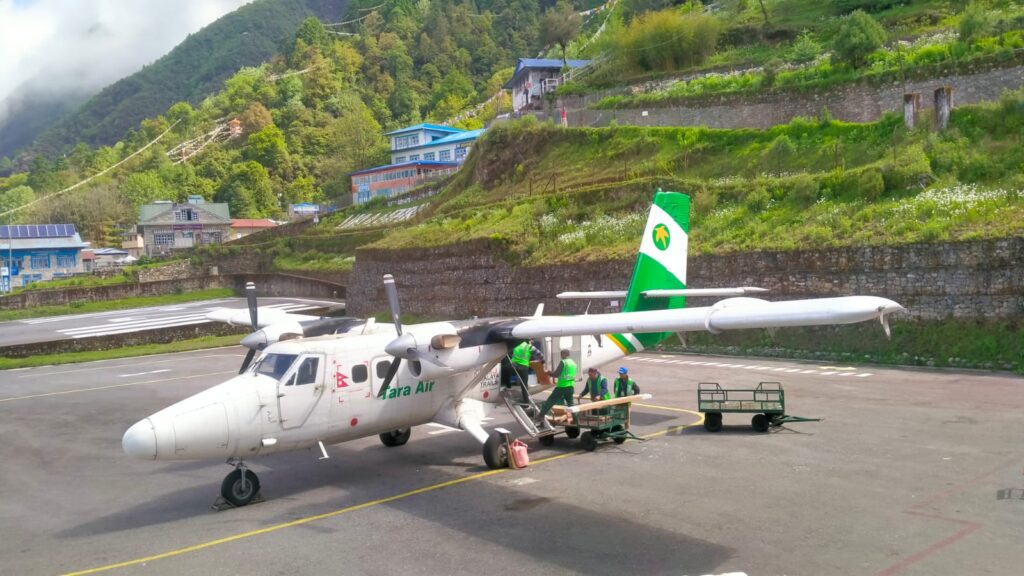
The flight to Lukla is often the first major adventure of an Everest trek. As the aircraft leaves Kathmandu or Ramechhap, the scenery changes rapidly. Urban areas disappear behind the hills, while deep valleys and rugged mountain landscapes dominate the view. Lukla’s airport is located at approximately 2,860 meters, placing trekkers immediately in a mountain environment.
Weather is an important factor. Mountain clouds, wind, visibility and other conditions can influence flight operations. Travelers should therefore allow flexibility in their trekking schedule. If flights are disrupted, options may include rescheduling, waiting for improved weather or arranging a helicopter flight when available and appropriate.
Everest View Hotel Trek Route
The trekking route toward Everest View Hotel follows one of the most famous Himalayan corridors. After arriving in Lukla, trekkers walk toward Phakding and continue through the Dudh Koshi Valley. The trail crosses several suspension bridges and passes through villages surrounded by forested hills.
The route eventually reaches Namche Bazaar, where most itineraries include an acclimatization day. From Namche, the trail climbs toward Syangboche. As the elevation increases, the landscape opens up and the mountains become more impressive. The walk from Namche to Everest View Hotel is relatively short compared with a full Everest trekking stage, but the altitude means that trekkers should maintain a relaxed pace.
What Makes Everest View Hotel Famous?
Everest View Hotel became famous because of its extraordinary relationship with the surrounding mountains. The hotel gives visitors an elevated Himalayan viewpoint where Mount Everest, Lhotse, Ama Dablam, Thamserku and other peaks can dominate the skyline.
Its appeal is especially strong among travelers who want to see Everest but do not have enough time for the complete Everest Base Camp journey. It is also popular with photographers, families, first-time trekkers and visitors who want a shorter Himalayan adventure. The experience is not simply about seeing Everest from a distance. The journey itself introduces travelers to the landscapes and communities that make the Khumbu unique.
Mount Everest Views from Everest View Hotel
Mount Everest is naturally the star of the panorama. From the hotel area, the mountain appears among a collection of surrounding peaks and ridges. Its appearance changes throughout the day as sunlight moves across the Himalayas.
Morning can offer exceptionally atmospheric scenery. The first light gradually reaches the high summits, while shadows remain across the valleys below. On clear days, the view can extend across an enormous Himalayan horizon.
Clouds may occasionally hide Everest, but this does not necessarily diminish the experience. Watching clouds move through the valleys and around the peaks can create an equally dramatic landscape.
Mountains You Can See Around Everest View Hotel
The Everest View Hotel area provides access to a spectacular Himalayan skyline.
Mount Everest
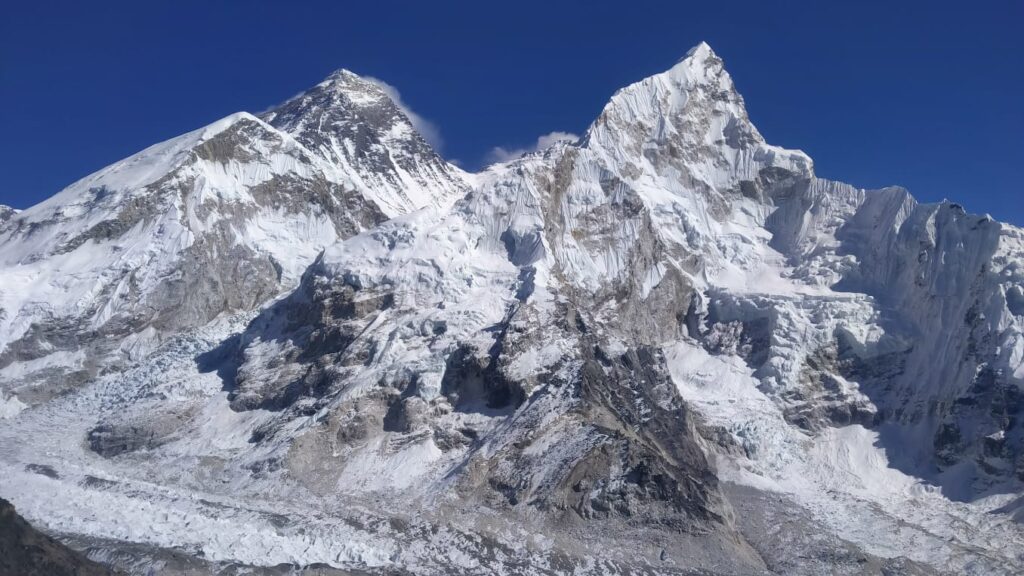
At 8,848.86 meters, Mount Everest is Earth’s highest mountain above sea level. Seeing it from the hotel is one of the main reasons travelers make the journey.
Lhotse
Lhotse rises to 8,516 meters and stands close to Everest. Its enormous rocky and snowy face forms an important part of the Everest panorama.
Ama Dablam
Ama Dablam reaches 6,856 meters and is recognized for its dramatic, pyramid-like form. It is one of the most photographed mountains in Nepal.
Thamserku
Thamserku is another prominent peak visible from various locations around Namche and the upper Khumbu.
Kangtega
Kangtega contributes another impressive profile to the mountain horizon and is part of the distinctive landscape surrounding the Everest region. The exact visibility of individual peaks depends on weather and atmospheric conditions.
Everest View Hotel and the Surrounding Himalayan Landscape
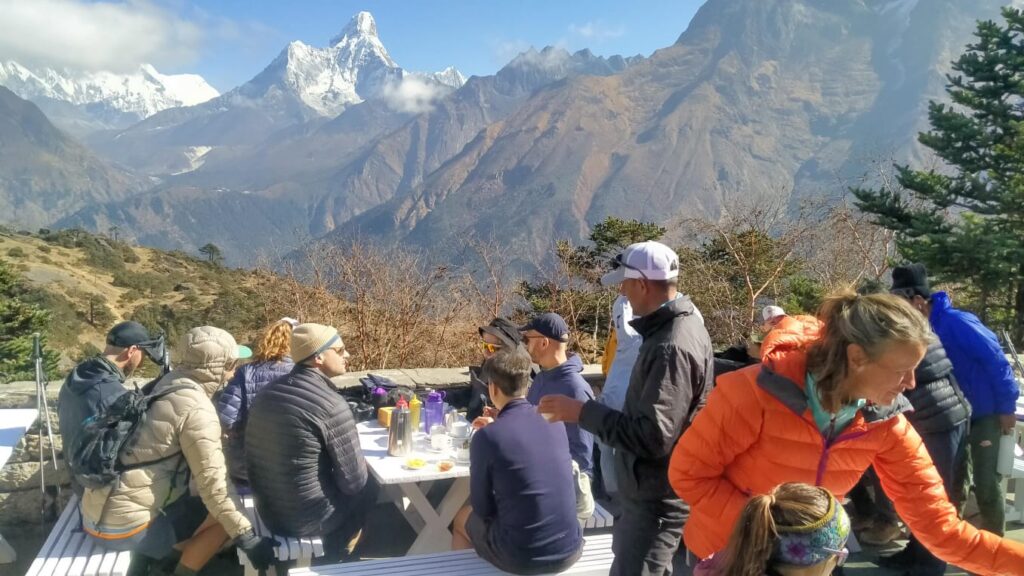
The landscape around Everest View Hotel changes noticeably with elevation. Lower slopes are covered with forests of pine, fir, birch and rhododendron. Higher areas become more open, with alpine shrubs, exposed rock and sparse vegetation.
Spring can transform sections of the trail with blooming rhododendrons. In autumn, the atmosphere is often clearer after the monsoon, creating impressive mountain visibility.
The area is also part of the habitat of Himalayan wildlife. Depending on luck and season, visitors may encounter birds and animals adapted to the mountain environment, including Himalayan monal and Himalayan tahr. Wildlife sightings are never guaranteed, but the surrounding forests make the journey interesting even when the mountains are temporarily hidden by clouds.
Villages Around Everest View Hotel
The villages surrounding Everest View Hotel provide an important window into Sherpa culture.
Namche Bazaar
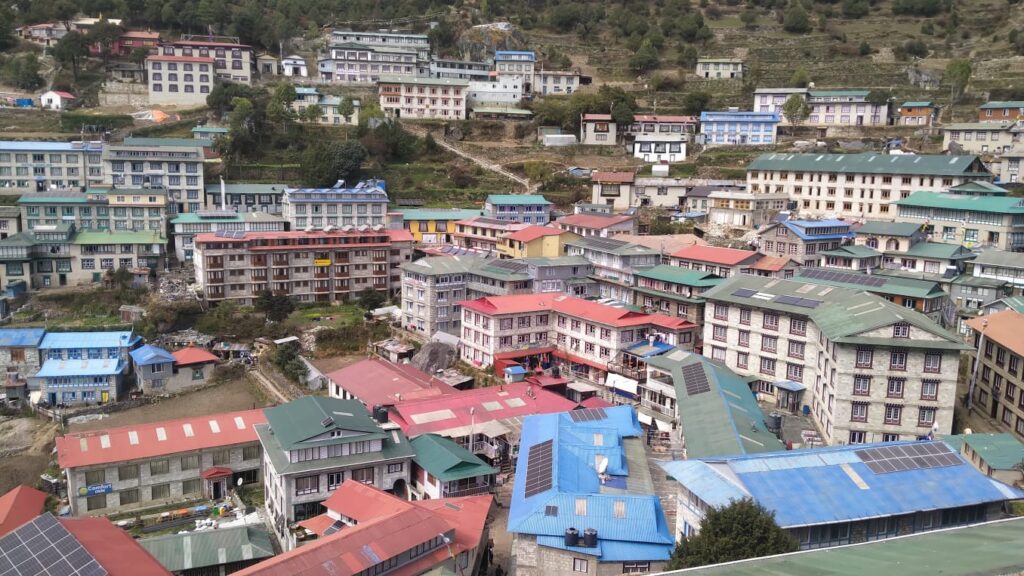
Namche is the commercial and cultural center of the Khumbu. Its curved settlement contains hotels, restaurants, bakeries, shops and trekking businesses. For many trekkers, Namche is also the first place where the reality of high-altitude Himalayan life becomes apparent.
Khumjung
Khumjung is a beautiful traditional Sherpa village located beneath the sacred mountain Khumbila. Stone houses, cultivated fields, prayer flags and mountain views create a distinctive Himalayan atmosphere. The village also has a strong connection with education and community development in the Everest region.
Khunde
Nearby Khunde is another important Sherpa settlement. It provides an opportunity to experience local life away from the busier trekking center of Namche.
Syangboche
Syangboche forms the high landscape around Everest View Hotel. The area is characterized by open ridges, mountain views and a quieter atmosphere.
Stupas, Mani Walls and Buddhist Heritage
The Everest View Hotel journey is also a spiritual journey. Prayer flags appear throughout the trekking route. Colorful strips of fabric carry Buddhist prayers across the mountain wind. Mani stones and mani walls line parts of the trail, while chortens and small Buddhist shrines appear near villages and paths.
These features are deeply connected with Sherpa life and Tibetan Buddhist traditions. Travelers should approach religious sites respectfully. Monasteries, prayer wheels, chortens and mani walls are living elements of local culture, not simply sightseeing objects.
Tengboche Monastery
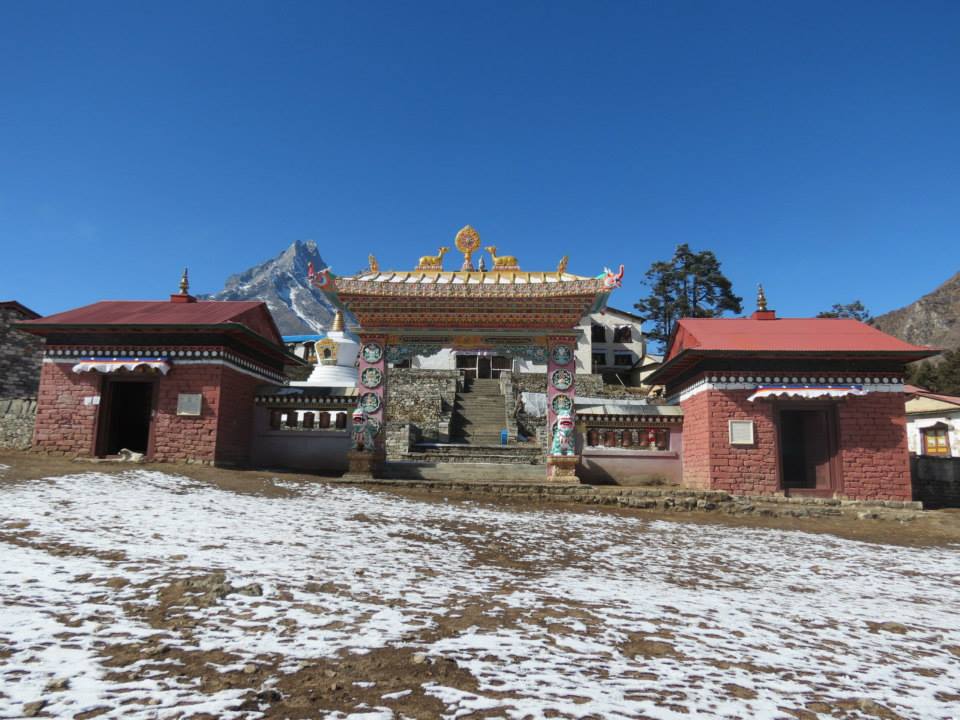
Although Tengboche is farther along the main Everest Base Camp route, it is one of the most important cultural attractions that can be added to a longer Everest itinerary. Tengboche Monastery sits in a spectacular mountain setting, with Ama Dablam creating an unforgettable backdrop.
The monastery is an important center of Tibetan Buddhist practice in the Khumbu and is particularly famous for the Mani Rimdu festival. A visit here adds a cultural dimension to an Everest trek, allowing travelers to understand that the Khumbu is not simply a landscape of mountains—it is also a place shaped by centuries of spiritual tradition.
Everest View Hotel Trek Cost, Accommodation and Facilities
The cost of an Everest View Hotel trip depends on the style of travel. A short itinerary from Lukla may cost less than a longer journey incorporating Everest Base Camp. Expenses can include domestic flights, guide services, accommodation, meals, permits, transportation and personal spending.
Hotel Everest View provides mountain accommodation and dining facilities, but visitors should not expect the same facilities available in Kathmandu. The remote location means that resources are naturally limited.
The surrounding scenery is the real luxury. For travelers who prefer a shorter visit, the hotel can be visited as a day excursion from Namche rather than as an overnight stop.
Food, Tea and Dining Experience
There is something uniquely enjoyable about eating in the mountains. After walking uphill from Namche, a warm drink and meal can feel especially rewarding. At Everest View Hotel, food is accompanied by a landscape that would be difficult to recreate anywhere else.
Instead of dining beside city streets or buildings, guests can look toward snowy peaks and wide Himalayan valleys. For many visitors, an afternoon tea overlooking Everest becomes one of the most memorable moments of their Nepal trip.
Everest View Hotel Day Trip from Namche Bazaar
The day excursion from Namche is one of the most popular ways to visit the hotel. After breakfast, trekkers leave Namche and gradually climb toward Syangboche. The route offers increasingly broad views as the trail gains height.
At the hotel, visitors can relax, enjoy refreshments and spend time taking photographs. After enjoying the scenery, the trail returns toward Namche. Some itineraries extend the walk through Khumjung and Khunde, turning the day into a combined mountain and cultural excursion. This is particularly useful for trekkers preparing for the higher sections of the Everest Base Camp route.
Everest View Hotel Trek Difficulty and Walking Time
The Everest View Hotel excursion is generally suitable for people with a reasonable level of fitness. The trail does not involve technical climbing, ropes or mountaineering equipment. The main challenge is the altitude and uphill terrain.
The journey from Namche to the hotel generally takes around 1.5 to 2 hours, depending on the exact route, walking speed and stops. Travelers should not hurry simply because the distance is relatively short. At high altitude, slow walking is often the smarter approach.
Everest View Hotel for First-Time Trekkers
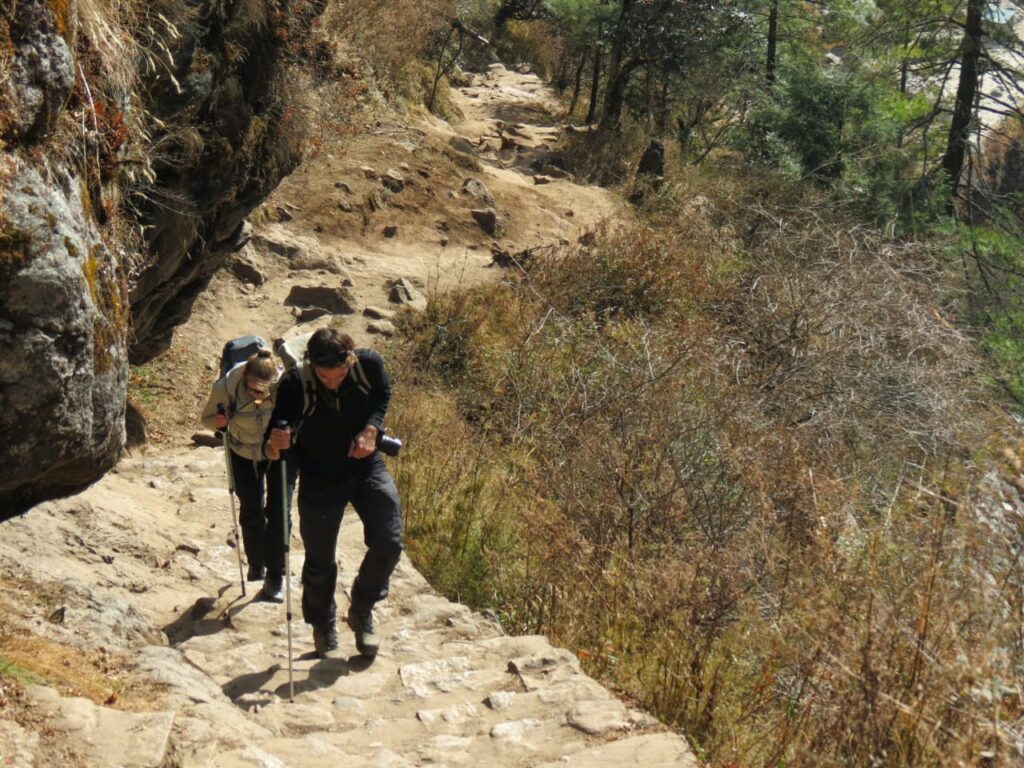
For beginners, Everest View Hotel can be an excellent introduction to Himalayan trekking. It offers a genuine high-altitude environment without requiring the commitment of a long expedition.
First-time visitors should still prepare carefully. Proper shoes, warm layers, sun protection, water and a comfortable daypack are important. More importantly, beginners should understand that altitude affects everyone differently. Good acclimatization and listening to your body are essential.
Photography and Sunrise Views
Everest View Hotel is a dream destination for landscape photography. The combination of snowy mountains, traditional villages, prayer flags and dramatic skies creates endless subjects.
Early morning is particularly attractive because the first sunlight can illuminate the mountain peaks while the lower valleys remain in shadow.
Photographers should carry spare batteries because cold temperatures can reduce battery performance. But photography should not become the entire experience. Sometimes the best memory is simply standing quietly and watching the Himalayas without a camera in front of your face.
Everest View Hotel as an Acclimatization Day Destination
Acclimatization is one of the most important parts of a safe Everest trek. A common approach is to climb higher during the day and return to a lower elevation to sleep. The Everest View Hotel excursion fits naturally into this strategy for trekkers staying in Namche.
The hike provides additional elevation exposure while allowing trekkers to return to Namche afterward. During the excursion, walk steadily, drink enough fluids and avoid unnecessary exertion.
If you experience significant altitude-related symptoms, inform your guide and follow appropriate safety measures rather than continuing simply to complete the itinerary.
Best Time to Visit Everest View Hotel
The best periods are generally spring and autumn.
Spring: March to May
Spring brings improving temperatures, flowering rhododendrons and generally good trekking conditions. The landscape becomes colorful, especially around forested sections.
Autumn: September to November
Autumn is one of the most popular trekking seasons. Following the monsoon, the skies are often clearer and the Himalayan panorama can be excellent.
Winter: December to February
Winter is cold, but clear days can produce beautiful views. Snow and icy sections may make the trail more challenging.
Monsoon: June to August
Rain and cloud can affect visibility and flight schedules. However, travelers who are flexible and prepared for wet conditions may still enjoy quieter trails.
Why Choose Create Himalaya Adventure for Everest View Hotel?
Planning an Everest View Hotel journey involves more than booking a flight and finding a trail. At Create Himalaya Adventure, we understand the practical details of traveling through the Khumbu. With more than 19 years of experience in Nepal’s travel and trekking industry, our team provides personalized trekking arrangements based on your available time, fitness level and travel preferences.
We can organize Lukla flights, experienced licensed guides, accommodation, permits, meals, airport transfers and trekking support, while helping you choose between a short Everest View Hotel adventure and a longer Everest Base Camp itinerary.
Our experienced local team focuses on responsible travel, reliable service and genuine interaction with Himalayan communities.
Note
Everest View Hotel is proof that you do not always need to reach Everest Base Camp to feel the power of the world’s highest mountain. The experience begins long before you reach the hotel. It starts with the flight toward Lukla, continues through the Dudh Koshi Valley, crosses suspension bridges, passes through Sherpa settlements and climbs gradually above Namche Bazaar.
Along the way, you encounter a living Himalayan culture shaped by Buddhism, mountain traditions and generations of life in a challenging environment. Then, from the high ridge of Syangboche, the landscape opens.
Everest appears.
Lhotse rises beside it. Ama Dablam adds its distinctive shape. Prayer flags move in the mountain wind. Below, the villages of the Khumbu sit among forests and valleys.
That combination of mountains, culture, history, adventure and accessibility is what makes Everest View Hotel one of Nepal’s most rewarding short Himalayan journeys.
Frequently Asked Questions
1. Can I visit Everest View Hotel without doing the Everest Base Camp Trek?
Yes. You do not need to complete the Everest Base Camp Trek to visit Everest View Hotel. Many travelers reach Namche Bazaar and make a day hike to the hotel before returning to Namche.
2. Do I need a guide to hike to Everest View Hotel from Namche Bazaar?
A guide is not always essential for experienced trekkers, but hiring a licensed local guide is highly recommended. A guide can help with navigation, altitude awareness, weather changes and local cultural information.
3. Can children and older travelers visit Everest View Hotel?
Yes, provided they are reasonably fit, properly acclimatized and comfortable walking at high altitude. The pace should be slow, with plenty of breaks and enough time for the body to adjust.
4. Is it possible to visit Everest View Hotel in one day from Kathmandu?
It is technically possible with a combination of flights and transportation, but it is not the preferred option. Flying to Lukla and immediately going to nearly 4,000 meters is not suitable for proper acclimatization. A multi-day itinerary is much better.
5. Can I visit Everest View Hotel and return to Namche on the same day?
Yes. This is one of the most popular options. Trekkers normally hike from Namche to the hotel, spend time enjoying the mountain scenery and return to Namche later the same day.
6. Is overnight accommodation at Everest View Hotel necessary?
No. You can visit the hotel as a day trip from Namche. Spending the night is optional and depends on your itinerary, availability and ability to handle the high elevation.
7. Can I see Mount Everest clearly from Everest View Hotel every day?
No. Mountain visibility depends on weather and atmospheric conditions. Clear mornings often provide the best chance of seeing Everest, while clouds, haze and snowfall can temporarily hide the mountains.
8. What happens if clouds block the Everest view during my visit?
The hotel and surrounding landscape are still worth exploring. You can enjoy the Sherpa villages, forests, Buddhist landmarks and peaceful mountain atmosphere. If conditions improve, the mountains may appear later.
9. Is Everest View Hotel suitable for travelers who have never trekked before?
Yes. The destination can be suitable for first-time trekkers because it does not involve technical climbing. However, the high altitude makes acclimatization, fitness and gradual walking important.
10. Do I need previous high-altitude trekking experience to visit the hotel?
No previous high-altitude experience is required. Basic fitness, appropriate preparation and a gradual ascent are more important. Travelers should also understand the symptoms of altitude sickness.
11. Can I visit Everest View Hotel by helicopter?
Yes, helicopter flights can be arranged depending on weather, availability and the operator’s flight schedule. A helicopter visit is a quicker option for travelers who have limited time or prefer not to undertake the trek.
12. Are there ATMs or reliable banking facilities near Everest View Hotel?
Banking facilities are very limited in the upper Everest region. It is better to carry enough Nepalese cash from Kathmandu or Namche Bazaar rather than depending on an ATM at the hotel.
13. Is Wi-Fi or mobile phone coverage available at Everest View Hotel?
Connectivity can be available, but it may be slower or less reliable than in Kathmandu. Mobile and internet service can vary according to weather, network availability and location.
14. Is electricity available for charging phones and cameras?
Electricity is available in the Everest region, but charging facilities can be limited and may involve an additional fee. Carrying a power bank and spare camera batteries is a smart choice.
15. Can I use a drone around Everest View Hotel?
Drone use in Nepal’s protected and trekking areas is subject to aviation and local regulations. Travelers should obtain the required permissions before flying a drone rather than assuming recreational use is allowed.
16. Are there medical or emergency facilities near Everest View Hotel?
Medical facilities are limited at the hotel itself. Namche Bazaar has better access to medical services, so trekkers should carry basic medicines and travel insurance that covers high-altitude emergencies.
17. What should I do if I feel sick while hiking to Everest View Hotel?
Stop ascending and inform your guide or trekking companion immediately. Rest and monitor your symptoms. If altitude-related symptoms become serious or worsen, descending to a lower elevation is generally the safest response.
18. Can I combine Everest View Hotel with Khumjung and Khunde in one day?
Yes. Many trekkers combine the Everest View Hotel excursion with visits to Khumjung and Khunde. This creates a rewarding day combining mountain scenery, Sherpa culture and traditional villages.
19. Is Everest View Hotel a good alternative for people who cannot trek to Everest Base Camp?
Yes. It can be an excellent alternative for travelers who have limited time or do not want to undertake the longer Everest Base Camp journey. You can experience spectacular Himalayan scenery and see Everest without completing the full trek.
20. How many days should I allow for an Everest View Hotel trip from Kathmandu?
A comfortable trip usually requires several days because of the Lukla flight, trekking time and acclimatization. A 4–6 day itinerary can work for a short Everest View experience, while longer itineraries allow more time for Namche, Khumjung and other Everest-region attractions.
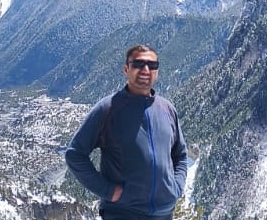
Ramchandra Lamichhane
Trekking Expert
No hidden fees • Local experts • Best price guarantee