
When is the Best Time for Annapurna Circuit Trek?
Introduction
The Annapurna Circuit Trek is one of the most iconic and rewarding trekking adventures in the world. Winding through the spectacular Annapurna Conservation Area, this legendary Himalayan trail takes you across lush subtropical forests, terraced farmlands, traditional Gurung and Tibetan villages, alpine meadows, and the breathtaking Thorong La Pass (5,416 meters)—one of the highest trekking passes on Earth. Along the way, you’ll witness panoramic views of towering Himalayan peaks, including Annapurna I, Dhaulagiri, Manaslu, Gangapurna, Tilicho Peak, and Nilgiri, while experiencing the rich culture and warm hospitality of Nepal’s mountain communities.
One of the most frequently asked questions by trekkers planning this incredible journey is, “When is the best time for the Annapurna Circuit Trek?” The answer depends on your travel preferences, weather expectations, and trekking goals. While spring (March to May) and autumn (September to November) are widely regarded as the best seasons due to their stable weather, comfortable temperatures, and crystal-clear mountain views, every season offers a unique experience. Spring brings blooming rhododendron forests and vibrant landscapes, autumn offers the clearest skies and perfect trekking conditions, winter transforms the trail into a peaceful snow-covered wonderland, and the monsoon season showcases lush greenery with fewer crowds.
Why Choosing the Right Season Matters for the Annapurna Circuit Trek
The Annapurna Circuit Trek is more than just a journey through the Himalayas—it’s an adventure across diverse landscapes, changing climates, and elevations ranging from 800 meters to 5,416 meters at the famous Thorong La Pass. Because of this dramatic altitude gain, weather conditions can vary significantly throughout the trek. Choosing the right season is one of the most important decisions you’ll make, as it directly affects your safety, comfort, mountain views, and overall trekking experience.
The best trekking season offers clear blue skies, stable weather, comfortable daytime temperatures, and excellent visibility of the Himalayan peaks. During spring (March to May) and autumn (September to November), trekkers enjoy breathtaking panoramas of Annapurna, Dhaulagiri, Manaslu, Gangapurna, Tilicho Peak, and Machhapuchhre, making these months the most popular times to visit. Dry trails and predictable weather also make crossing the challenging Thorong La Pass much safer.
On the other hand, trekking during the monsoon season (June to August) brings frequent rainfall, muddy trails, landslides, and cloudy mountain views, particularly in the lower sections of the route. Although the landscapes become lush and green with fewer trekkers on the trail, the wet conditions require extra preparation and flexibility.
Winter (December to February) offers peaceful trails, crisp mountain views, and beautiful snow-covered landscapes. However, freezing temperatures and heavy snowfall can make high-altitude sections, especially Thorong La Pass, more difficult or temporarily inaccessible.
Choosing the right season also influences accommodation availability, transportation, crowd levels, photography opportunities, wildlife sightings, and even the type of clothing and equipment you’ll need to pack. Whether you prefer blooming rhododendron forests in spring, crystal-clear mountain vistas in autumn, tranquil snowy scenery in winter, or the quiet beauty of the monsoon season, understanding Nepal’s seasonal conditions will help you select the perfect time for your adventure.
By planning your trek during the season that best matches your expectations, you’ll maximize your chances of enjoying a safe, comfortable, and unforgettable journey around one of the world’s most spectacular trekking routes.
Because the Annapurna Circuit spans elevations from around 800 meters to over 5,400 meters, the weather changes dramatically throughout the trek. Temperature, rainfall, snowfall, trail conditions, and visibility can vary significantly depending on the month and altitude. Choosing the right season not only enhances your trekking experience but also improves safety, increases the chances of successfully crossing Thorong La Pass, and ensures you enjoy the magnificent Himalayan scenery at its best.
In this complete guide, you’ll discover the best time for the Annapurna Circuit Trek, detailed month-by-month weather conditions, seasonal advantages and disadvantages, temperature variations, crowd levels, photography opportunities, packing recommendations, and expert trekking tips. Whether you’re a first-time trekker or an experienced adventurer, this guide will help you choose the perfect season to explore one of Nepal’s most spectacular trekking routes with confidence.
Overview of Annapurna Circuit Trek Climate
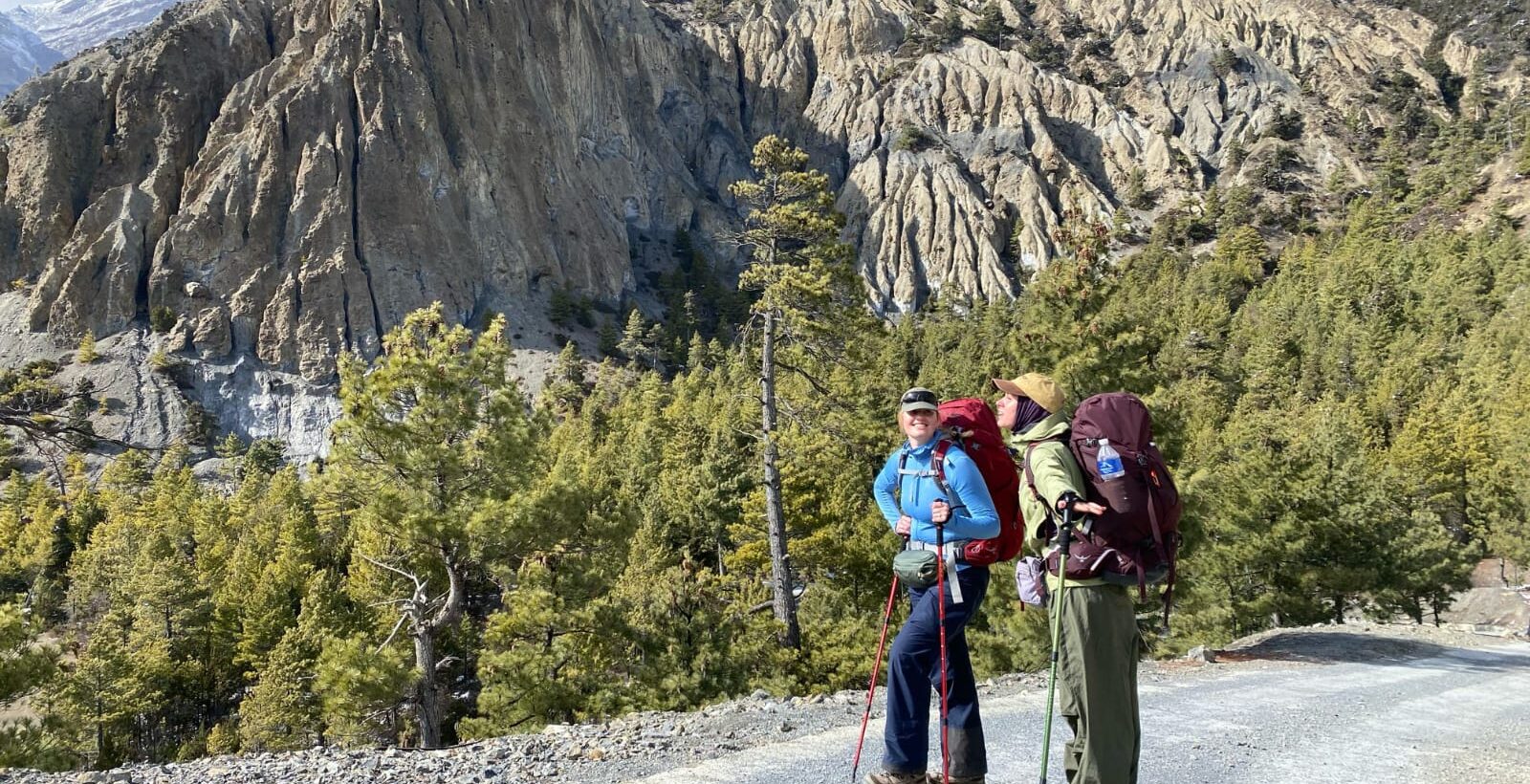
The climate along the Annapurna Circuit is as diverse as the landscapes you’ll explore. Since the trek covers a wide altitude range—from the lush river valleys of Lamjung to the windswept heights of Thorong La Pass (5,416 m)—weather conditions change dramatically throughout the journey. You can begin your trek in warm, green surroundings and, within a few days, find yourself walking through dry alpine terrain surrounded by snow-capped Himalayan peaks.
Unlike many trekking routes with a single climate zone, the Annapurna Circuit offers a unique transition through subtropical forests, temperate hills, alpine meadows, and high-altitude mountain deserts. Temperatures become cooler as you gain elevation, while the air grows thinner and drier. Weather can also change quickly in the mountains, especially above 3,500 meters, so trekkers should always be prepared for sudden shifts in temperature, wind, or snowfall.
The region experiences four distinct seasons, each creating a different trekking experience. Spring (March to May) is famous for colorful rhododendron blooms and mild weather, while autumn (September to November) offers the clearest skies and the best mountain visibility. Summer (June to August) transforms the lower valleys into vibrant green landscapes despite frequent rainfall, and winter (December to February) blankets the higher elevations in snow, creating a peaceful yet more challenging trekking environment. Understanding these seasonal variations will help you choose the ideal time to enjoy the Annapurna Circuit at its best.
Annapurna Circuit Trek by Season
The Annapurna Circuit Trek is a year-round adventure, but each season offers a unique experience with different weather conditions, landscapes, and trekking challenges. While spring and autumn are considered the best seasons for most trekkers, summer (monsoon) and winter also have their own charm for those seeking fewer crowds or a different Himalayan experience. Below is a detailed guide to help you choose the best season for your Annapurna Circuit Trek.
Spring (March–May): The Best Season for Blooming Landscapes
Spring is one of the most popular and rewarding times to trek the Annapurna Circuit. As winter comes to an end, the trails burst into life with colorful rhododendron forests, blooming wildflowers, and fresh greenery. The weather is generally stable, with mild daytime temperatures and cool nights, making it comfortable for long trekking days.
Mountain visibility is excellent during spring, offering spectacular views of Annapurna, Dhaulagiri, Manaslu, Machhapuchhre, Tilicho Peak, and Gangapurna. Wildlife is also more active, and the pleasant climate makes this season ideal for first-time trekkers, photographers, and nature enthusiasts.
Although the trails become busier, especially in April, the lively atmosphere and vibrant scenery make spring one of the most memorable seasons to experience the Annapurna Circuit.
Weather Highlights
- Pleasant daytime temperatures
- Cool and comfortable nights
- Mostly clear skies
- Low chance of rainfall
Pros
- Blooming rhododendron forests
- Excellent mountain views
- Stable weather
- Comfortable trekking conditions
- Perfect for photography
Cons
- Busy trails and teahouses
- Accommodation may require advance booking
Summer / Monsoon (June–August): Green Valleys and Peaceful Trails
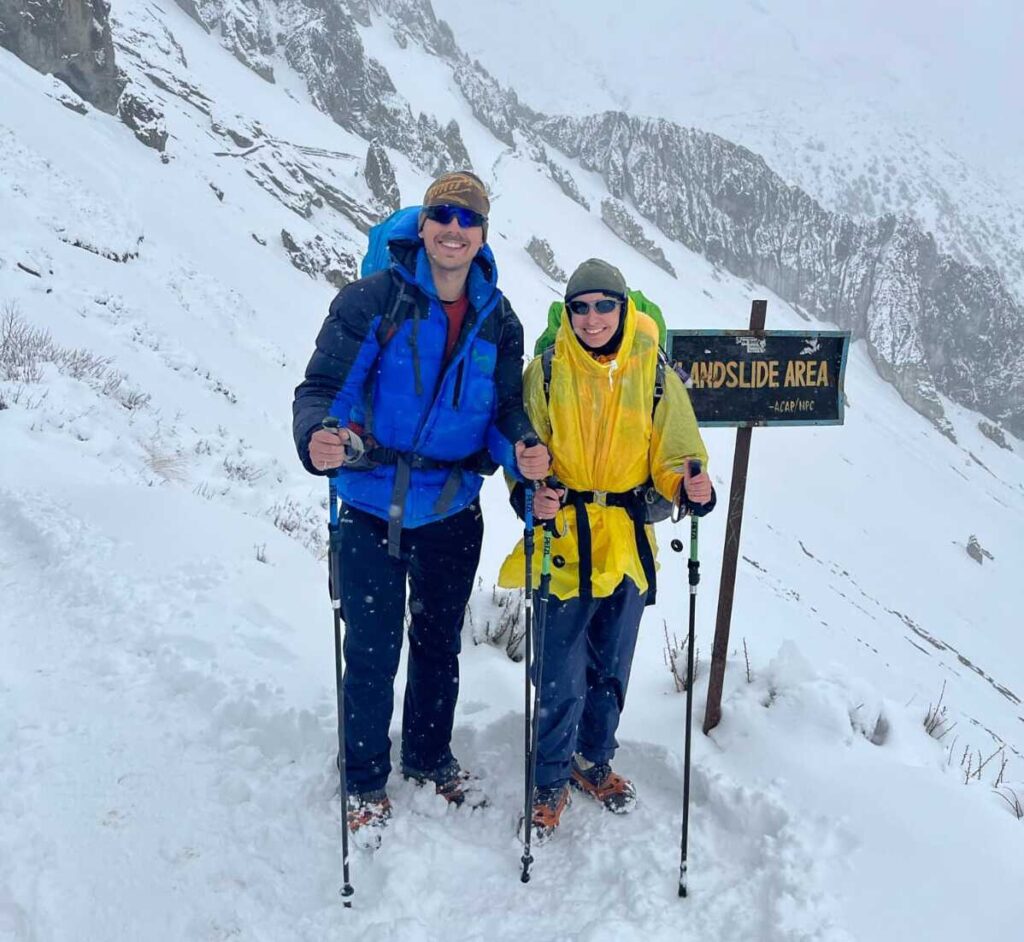
Summer is Nepal’s monsoon season, bringing frequent rainfall to the southern side of the Annapurna region. The forests become lush and vibrant, rivers flow at full strength, and waterfalls are at their most impressive. However, heavy rain can make trails muddy and slippery, while occasional landslides may affect road transportation to and from the trekking route.
One unique advantage of the Annapurna Circuit is that the northern section, including Manang and Mustang, lies within the Himalayan rain shadow. These areas receive significantly less rainfall, making trekking possible even during the monsoon months.
Since fewer people choose to trek during this season, you’ll enjoy quieter trails, peaceful teahouses, and a more authentic mountain experience.
Weather Highlights
- Warm temperatures
- Frequent afternoon rainfall
- Humid conditions in lower elevations
- Drier weather beyond Manang
Pros
- Very few trekkers
- Lush green landscapes
- Beautiful waterfalls
- Peaceful trekking experience
- Easier availability of accommodation
Cons
- Muddy and slippery trails
- Increased risk of landslides
- Limited mountain views due to clouds
- Leeches in lower forests
Autumn (September–November): The Most Popular Trekking Season
Autumn is widely considered the best time for the Annapurna Circuit Trek. After the monsoon rains clear the atmosphere, the skies become brilliantly blue, offering the clearest mountain views of the year. Dry weather, comfortable temperatures, and excellent trail conditions make autumn ideal for crossing Thorong La Pass.
This season also coincides with Nepal’s biggest festivals, including Dashain and Tihar, allowing trekkers to experience local traditions, celebrations, and hospitality along the trail.
Because of the outstanding weather, autumn attracts the highest number of trekkers. Booking transportation and teahouse accommodation in advance is highly recommended.
Weather Highlights
- Dry and stable weather
- Crystal-clear skies
- Comfortable temperatures
- Excellent visibility
Pros
- Outstanding Himalayan views
- Ideal weather for trekking
- Safe conditions for Thorong La Pass
- Vibrant local festivals
- Excellent photography opportunities
Cons
- Peak tourist season
- Crowded trails
- Accommodation fills quickly
Winter (December–February): Snowy Landscapes and Quiet Adventure
Winter offers a completely different Annapurna Circuit experience. Snow-covered mountains, frozen waterfalls, and peaceful villages create a magical Himalayan atmosphere. Clear winter skies often provide exceptional mountain views, making it an excellent season for photographers.
However, temperatures drop significantly at higher elevations, especially above Manang. Heavy snowfall can occasionally block Thorong La Pass, requiring itinerary changes or alternative routes. Proper winter clothing and trekking experience are essential during this season.
Despite the cold, winter is perfect for trekkers seeking solitude and breathtaking snow-covered scenery.
Weather Highlights
- Cold days and freezing nights
- Occasional snowfall
- Clear skies on sunny days
- Dry mountain air
Pros
- Very few trekkers
- Spectacular snowy landscapes
- Peaceful trekking experience
- Clear mountain views
- Excellent winter photography
Cons
- Extremely cold temperatures
- Possible closure of Thorong La Pass
- Limited services in some villages
- Requires proper winter gear
Best Month for Annapurna Circuit Trek
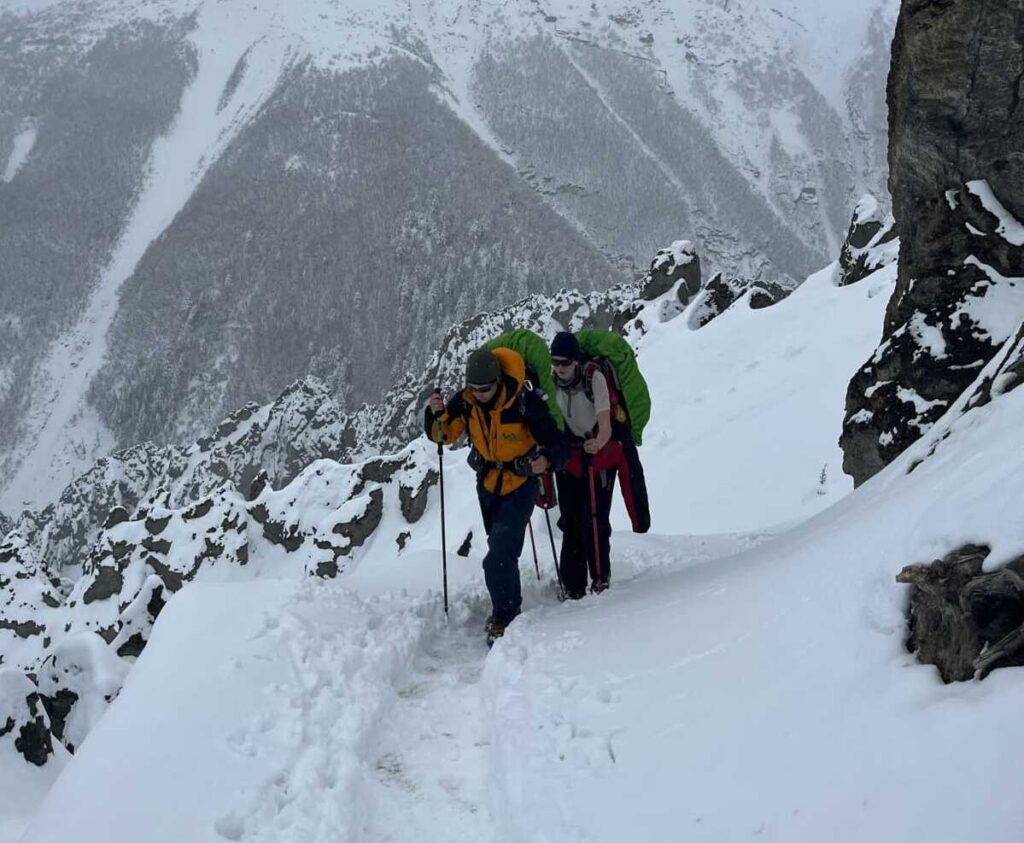
While the Annapurna Circuit can be trekked throughout the year, the best months are March, April, May, October, and November. These months provide the perfect balance of stable weather, comfortable temperatures, dry trails, and exceptional Himalayan views.
March
March marks the beginning of spring. Temperatures become warmer, flowers begin to bloom, and the trails are less crowded than later in the season. It is an excellent choice for trekkers looking for pleasant weather and peaceful hiking conditions.
April
April is often considered the best month for the Annapurna Circuit Trek. Rhododendron forests are in full bloom, mountain views are spectacular, and temperatures are ideal for trekking. The combination of colorful landscapes and clear skies makes April a favorite among trekkers and photographers.
May
May remains warm and beautiful, with excellent visibility during most mornings. As the month progresses, occasional pre-monsoon clouds and light showers may appear, but trekking conditions remain favorable.
October
October is the most popular trekking month in Nepal. The post-monsoon atmosphere creates crystal-clear skies, dry trails, and breathtaking panoramic mountain views. Weather conditions are highly stable, making it one of the safest and most enjoyable months for crossing Thorong La Pass.
November
November offers cool temperatures, excellent visibility, and fewer crowds than October. The air remains crisp, the mountains are exceptionally clear, and the trekking conditions are still among the best of the year.
Our Recommendation
For most trekkers, April and October are the two best months for the Annapurna Circuit Trek. They offer the ideal combination of pleasant weather, stable trail conditions, stunning Himalayan scenery, and the highest chance of successfully crossing Thorong La Pass (5,416 m). If you prefer fewer crowds while still enjoying excellent weather, March and November are also outstanding choices.
Annapurna Circuit Trek Temperature Guide
One of the most important factors to consider when planning the Annapurna Circuit Trek is the temperature. Because the trek ascends from around 800 meters to Thorong La Pass (5,416 meters), temperatures vary greatly depending on both the altitude and the season. You may enjoy warm, sunny weather in the lower valleys while experiencing freezing conditions just a few days later at higher elevations.
During spring (March–May) and autumn (September–November), daytime temperatures are generally comfortable for trekking, ranging between 15°C and 25°C in the lower regions and 5°C to 15°C around Manang. At higher elevations, daytime temperatures usually stay between -5°C and 8°C, while nights can drop below -10°C, especially near Thorong La Pass.
In summer (June–August), lower elevations remain warm and humid with temperatures between 18°C and 28°C, although frequent rainfall is common. Higher regions stay much cooler, with daytime temperatures ranging from 5°C to 12°C. During winter (December–February), temperatures fall significantly, particularly above 3,500 meters. Daytime temperatures near the pass often remain below freezing, while nighttime temperatures can reach -15°C to -25°C, depending on weather conditions.
Average Temperature by Elevation
| Elevation | Daytime Temperature | Night Temperature |
|---|---|---|
| 800–2,000 m | 15°C to 28°C | 8°C to 15°C |
| 2,000–3,500 m | 8°C to 20°C | 0°C to 8°C |
| 3,500–4,500 m | 2°C to 12°C | -8°C to -2°C |
| Thorong La Pass (5,416 m) | -5°C to 8°C | -15°C to -25°C |
Seasonal Temperature Overview
| Season | Lower Region | High Altitude | Overall Conditions |
|---|---|---|---|
| Spring (March–May) | 15°C to 25°C | -5°C to 10°C | Pleasant and stable |
| Summer (June–August) | 18°C to 28°C | 5°C to 12°C | Warm, humid, and rainy |
| Autumn (September–November) | 12°C to 24°C | -5°C to 8°C | Cool, dry, and clear |
| Winter (December–February) | 8°C to 18°C | -15°C to -25°C | Cold with possible snowfall |
Temperature Tips for Trekkers
- Temperatures decrease by approximately 6–7°C for every 1,000 meters of elevation gain.
- Early mornings and evenings are significantly colder than daytime, particularly above 3,000 meters.
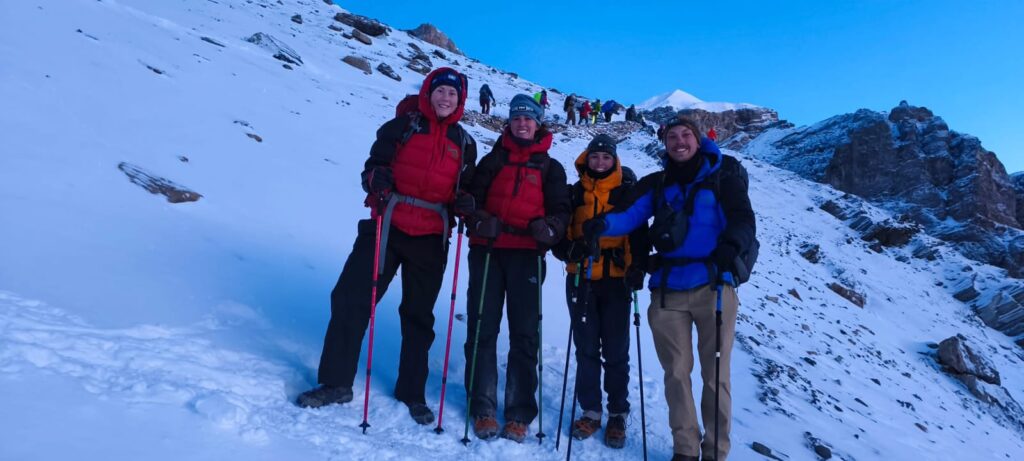
- Thorong La Pass is usually crossed before sunrise, when temperatures are at their lowest, so proper layering is essential.
- Even during spring and autumn, always carry a warm down jacket, thermal clothing, gloves, and a hat for high-altitude sections.
- Mountain weather can change rapidly, so be prepared for sudden drops in temperature regardless of the season.
Understanding the temperature variations along the Annapurna Circuit will help you pack appropriately, stay comfortable throughout the trek, and safely enjoy one of Nepal’s most spectacular Himalayan adventures.
Best Time for Thorong La Pass Crossing
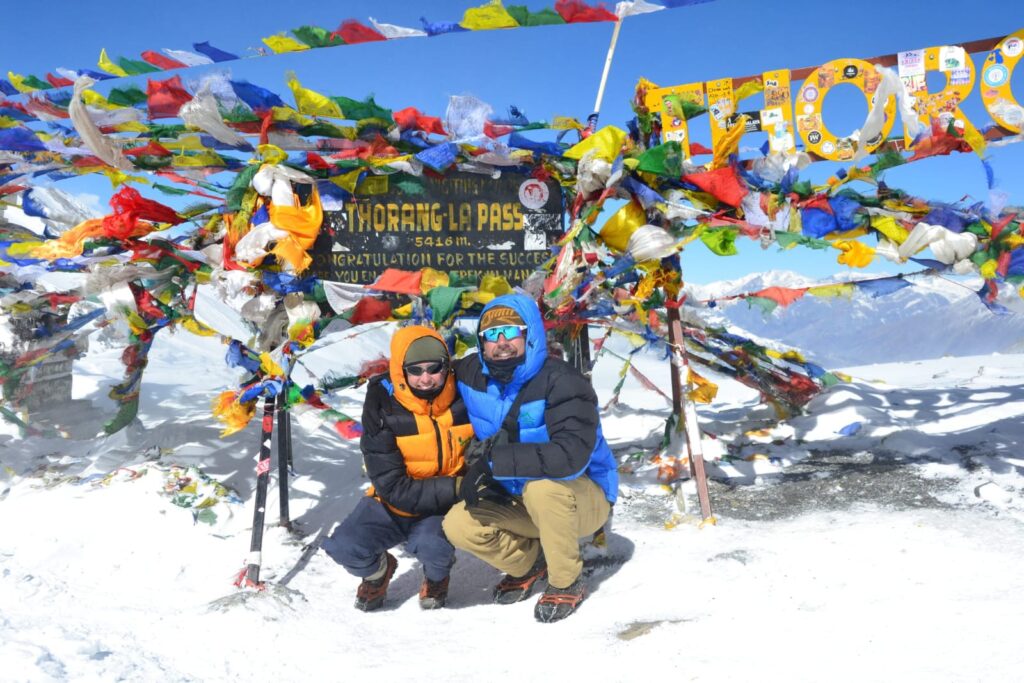
Crossing Thorong La Pass (5,416 m) is the most challenging and rewarding part of the Annapurna Circuit Trek. Weather conditions at this altitude can change rapidly, making the timing of your trek extremely important. The safest and most favorable months to cross the pass are March to May and late September to November, when the weather is generally stable, snowfall is minimal, and visibility is excellent.
Trekkers usually begin the ascent before sunrise to avoid the strong winds that develop later in the morning. During spring and autumn, the trails are mostly dry, and the chances of safely completing the crossing are much higher. In contrast, winter snowfall and monsoon weather can make the pass icy, slippery, or temporarily closed.
Best Months: March, April, May, October, and November
Best Time for Photography
The Annapurna Circuit is one of Nepal’s most photogenic trekking routes, offering spectacular landscapes throughout the year. However, autumn (September to November) is widely regarded as the best season for photography due to its crystal-clear skies, excellent visibility, and dramatic mountain panoramas. The fresh post-monsoon atmosphere creates vibrant colors and sharp views of Annapurna, Dhaulagiri, Manaslu, Machhapuchhre, and countless surrounding peaks.
Spring (March to May) is equally rewarding for photographers who want to capture blooming rhododendron forests, colorful wildflowers, and lush green hillsides. Winter also provides stunning snow-covered scenery and peaceful landscapes, while the monsoon offers dramatic clouds and vibrant greenery for creative photography.
Best Months: April, October, and November
Best Time to See Rhododendron Forests
If you dream of trekking through colorful Himalayan forests, spring is the ideal season. Between late March and early May, the hillsides of the Annapurna region burst into vibrant shades of red, pink, white, and purple as Nepal’s national flower, the rhododendron, reaches full bloom.
The forests around Dharapani, Chame, and the lower sections of the trail become especially beautiful during this period. Combined with pleasant temperatures and clear mountain views, the blooming season creates one of the most picturesque trekking experiences in Nepal.
Best Months: Late March, April, and Early May
Best Time to See Snow
For trekkers hoping to experience snowy Himalayan landscapes, winter (December to February) is the best time to visit the Annapurna Circuit. Higher elevations, including Yak Kharka, Thorong Phedi, and Thorong La Pass, are often covered in fresh snow, creating breathtaking alpine scenery.
Early spring, particularly in March, may also offer lingering snow at higher elevations while providing more stable weather than mid-winter. However, heavy snowfall can occasionally make Thorong La Pass difficult or temporarily inaccessible, so it’s important to monitor weather conditions and trek with an experienced guide.
Best Months: December, January, February, and Early March
Best Time to Avoid Crowds
If you prefer peaceful trails and quieter teahouses, consider trekking outside the peak trekking seasons. Winter (December to February) offers the fewest visitors, allowing you to enjoy a more tranquil experience surrounded by spectacular mountain scenery.
The monsoon season (June to August) is another excellent option for avoiding crowds. Although rainfall affects the lower sections of the trail, the northern side of the Annapurna Circuit lies within the Himalayan rain shadow, making trekking possible with proper preparation.
For a balance between favorable weather and fewer trekkers, March and November are excellent choices.
Best Months: January, February, June, July, August, March, and November
Best Time for Beginners
For first-time trekkers, spring and autumn provide the safest and most comfortable trekking conditions. Mild temperatures, stable weather, dry trails, and excellent mountain visibility make these seasons ideal for building confidence while trekking at high altitude.
The predictable weather also reduces the risk of delays, difficult trail conditions, and challenging river crossings. Beginners are strongly encouraged to trek with a licensed local guide, especially when crossing Thorong La Pass, to ensure proper acclimatization and safety.
Recommended Months: April, October, November, March, and May
Best Time for Experienced Trekkers
Experienced trekkers often seek quieter trails, unique seasonal landscapes, or more challenging conditions. While spring and autumn remain excellent choices, many seasoned hikers enjoy trekking during winter or the monsoon season for a different perspective of the Annapurna Circuit.
Winter offers snow-covered passes, peaceful villages, and exceptional mountain views, while the monsoon rewards adventurous trekkers with lush valleys, dramatic skies, and very few crowds. These seasons require greater flexibility, careful planning, and appropriate equipment, but they provide a truly unique Himalayan experience.
Recommended Months: December, January, February, June, July, and August
Season at a Glance
| Trekking Purpose | Best Time |
|---|---|
| Thorong La Pass Crossing | March–May & October–November |
| Photography | April, October & November |
| Rhododendron Bloom | Late March–Early May |
| Snow Experience | December–February & Early March |
| Avoiding Crowds | January–February & June–August |
| Beginners | March–May & September–November |
| Experienced Trekkers | Winter & Monsoon (with proper preparation) |
These recommendations help you choose the ideal season based on your interests, whether you’re seeking perfect mountain views, colorful forests, snowy landscapes, or a peaceful trekking experience on the Annapurna Circuit.
Festival Season on the Annapurna Circuit Trek
One of the unique highlights of the Annapurna Circuit Trek is the opportunity to experience Nepal’s rich cultural heritage. The trekking route passes through traditional Gurung, Thakali, and Tibetan Buddhist villages, where ancient customs, colorful festivals, and warm hospitality remain an important part of daily life. Planning your trek during Nepal’s major festival seasons allows you to enjoy not only spectacular mountain scenery but also authentic cultural celebrations.
The most vibrant festivals take place during autumn (September to November). Nepal’s two biggest Hindu festivals, Dashain and Tihar, are celebrated across the country with family gatherings, traditional music, dancing, colorful decorations, and religious ceremonies. Villages along the Annapurna Circuit come alive with festive energy, offering trekkers a memorable glimpse into local traditions.
Spring also features several important cultural and religious celebrations, including Holi, Buddha Jayanti, and local monastery festivals in the Manang region. Buddhist villages often celebrate with prayer ceremonies, colorful prayer flags, masked dances, and traditional rituals, providing visitors with a deeper understanding of Himalayan culture.
Major Festivals Along the Annapurna Circuit
- Dashain (September–October) – Nepal’s biggest Hindu festival.
- Tihar (October–November) – Festival of Lights with beautiful decorations.
- Holi (March) – Festival of Colors celebrated throughout Nepal.
- Buddha Jayanti (April–May) – Celebrating the birth of Lord Buddha.
- Local Buddhist Festivals – Monastery ceremonies and traditional celebrations in Manang and Upper Mustang communities.
For travelers interested in both trekking and cultural experiences, October and November offer the perfect combination of excellent weather and vibrant local festivals.
Packing Tips by Season
Packing appropriately is essential for a comfortable and successful Annapurna Circuit Trek. Since temperatures and weather vary greatly throughout the year, your equipment should match the season in which you plan to trek.
Spring (March–May)
Spring offers mild temperatures but chilly mornings and evenings. Layered clothing works best.
Recommended Gear
- Moisture-wicking base layers
- Lightweight fleece jacket
- Down jacket
- Waterproof jacket
- Hiking pants
- Sun hat and sunglasses
- Sunscreen
- Comfortable trekking boots
Summer / Monsoon (June–August)
During the monsoon season, waterproof equipment becomes essential.
Recommended Gear
- Waterproof rain jacket
- Rain pants
- Backpack rain cover
- Quick-dry clothing
- Waterproof trekking boots
- Trekking poles
- Insect repellent
- Extra socks and dry bags
Autumn (September–November)
Autumn requires clothing suitable for warm days and cold nights.
Recommended Gear
- Thermal base layers
- Down jacket
- Windproof jacket
- Hiking trousers
- Gloves
- Warm hat
- Sleeping bag rated for sub-zero temperatures
Winter (December–February)
Winter demands proper cold-weather equipment.
Recommended Gear
- Heavy down jacket
- Thermal clothing
- Waterproof insulated gloves
- Thick wool socks
- Neck gaiter
- Winter hat
- Sleeping bag (-15°C or lower)
- Microspikes (if recommended)
Packing light while carrying essential layers is the key to staying comfortable throughout the trek.
Seasonal Trekking Challenges
Every season presents its own challenges on the Annapurna Circuit. Understanding these conditions helps trekkers prepare properly and enjoy a safer adventure.
Spring Challenges
- Busy trails and teahouses
- Accommodation fills quickly
- Dust on some lower roads
Summer / Monsoon Challenges
- Heavy rainfall
- Muddy and slippery trails
- Landslides
- Leeches in forested areas
- Cloud-covered mountain views
Autumn Challenges
- High number of trekkers
- Advance booking recommended
- Slightly colder nights in late November
Winter Challenges
- Heavy snowfall
- Extremely cold temperatures
- Frozen trails
- Possible closure of Thorong La Pass
- Limited services in some villages
Despite these seasonal challenges, proper planning and guidance make the Annapurna Circuit enjoyable throughout much of the year.
Safety Tips for the Annapurna Circuit Trek
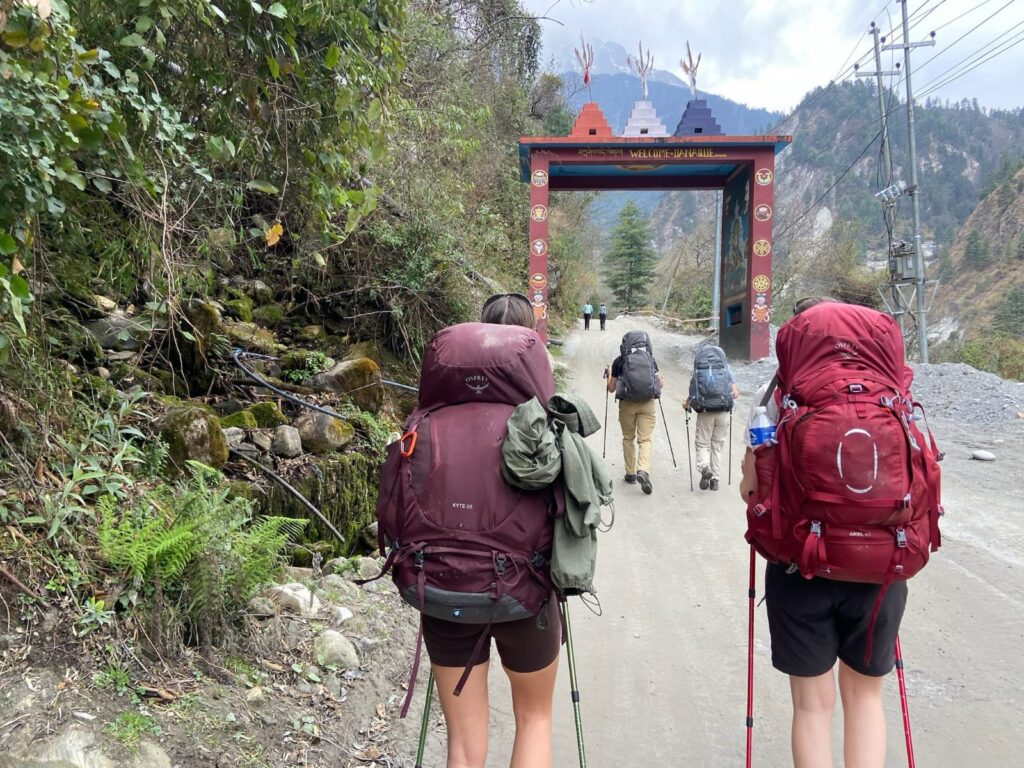
Safety should always be your highest priority when trekking in the Himalayas. Weather, altitude, and trail conditions can change rapidly, so preparation is essential.
1. Acclimatize Properly
Spend enough time acclimatizing, especially in Manang, before attempting Thorong La Pass.
2. Check Weather Forecasts
Mountain weather can change suddenly. Always check local forecasts before crossing high passes.
3. Start Early
Begin hiking early each morning, particularly on the Thorong La Pass crossing day, to avoid strong afternoon winds.
4. Stay Hydrated
Drink at least 3–4 liters of water daily to reduce the risk of altitude sickness.
5. Trek at a Comfortable Pace
Walk slowly and steadily. Avoid rushing, especially above 3,000 meters.
6. Pack Proper Clothing
Layer your clothing to adapt to changing temperatures throughout the day.
7. Carry Essential Gear
Include a first-aid kit, headlamp, trekking poles, water purification tablets, sunscreen, and personal medications.
8. Hire an Experienced Guide
A licensed local guide can monitor weather conditions, assist with altitude management, arrange accommodations, and enhance your overall trekking experience.
Why Trek with Create Himalaya Adventure?
Choosing the right trekking company can make a significant difference in your Himalayan adventure. Create Himalaya Adventure is a trusted local trekking company with more than 19 years of experience organizing unforgettable journeys across Nepal.
Our experienced team understands the Annapurna region in every season and carefully plans each itinerary to ensure safety, comfort, and an authentic cultural experience. Whether you’re trekking in the colorful spring, the clear autumn season, or exploring the quieter winter trails, we provide professional support from arrival to departure.
Why Choose Create Himalaya Adventure for the Annapurna Circuit Trek?
Planning the Annapurna Circuit Trek is about more than choosing the right season—it’s also about choosing the right trekking company. With over 19 years of experience, Create Himalaya Adventure has helped thousands of travelers explore Nepal’s breathtaking Himalayas safely, comfortably, and confidently. Our knowledgeable local team is dedicated to providing exceptional service, personalized itineraries, and expert guidance, ensuring every trek is both memorable and hassle-free.
Whether you’re trekking during the vibrant spring, the clear autumn season, or the peaceful winter months, we take care of every detail so you can focus on enjoying the journey. From obtaining permits and arranging transportation to providing experienced guides and quality trekking equipment, we are committed to making your Annapurna Circuit adventure truly unforgettable.
Why Trek with Create Himalaya Adventure?
- 19+ years of experience organizing treks and tours across Nepal.
- Government-licensed, English-speaking trekking guides with extensive local knowledge.
- Customized trekking itineraries tailored to your fitness level, schedule, and travel preferences.
- Competitive and transparent pricing with no hidden charges.
- Hassle-free permit arrangements and all required trekking documentation.
- Comfortable teahouse accommodation and reliable ground transportation.
- High-quality trekking equipment available for rent or complimentary on selected packages.
- 24/7 customer support before, during, and after your trek.
Strong commitment to responsible and sustainable tourism, supporting local communities and protecting the Himalayan environment. Excellent safety standards, including proper acclimatization planning, first-aid preparedness, and altitude awareness.
Small group and private trekking options for a more personalized and flexible experience.
Outstanding customer satisfaction with a passion for creating unforgettable Himalayan adventures.
At Create Himalaya Adventure, our mission is to deliver a safe, authentic, and life-changing trekking experience while promoting sustainable tourism and supporting the local communities that make the Annapurna region so special. Whether you’re a solo traveler, a couple, a family, or a group of friends, we’re here to help you experience the Annapurna Circuit Trek with confidence and peace of mind.
Final Thoughts
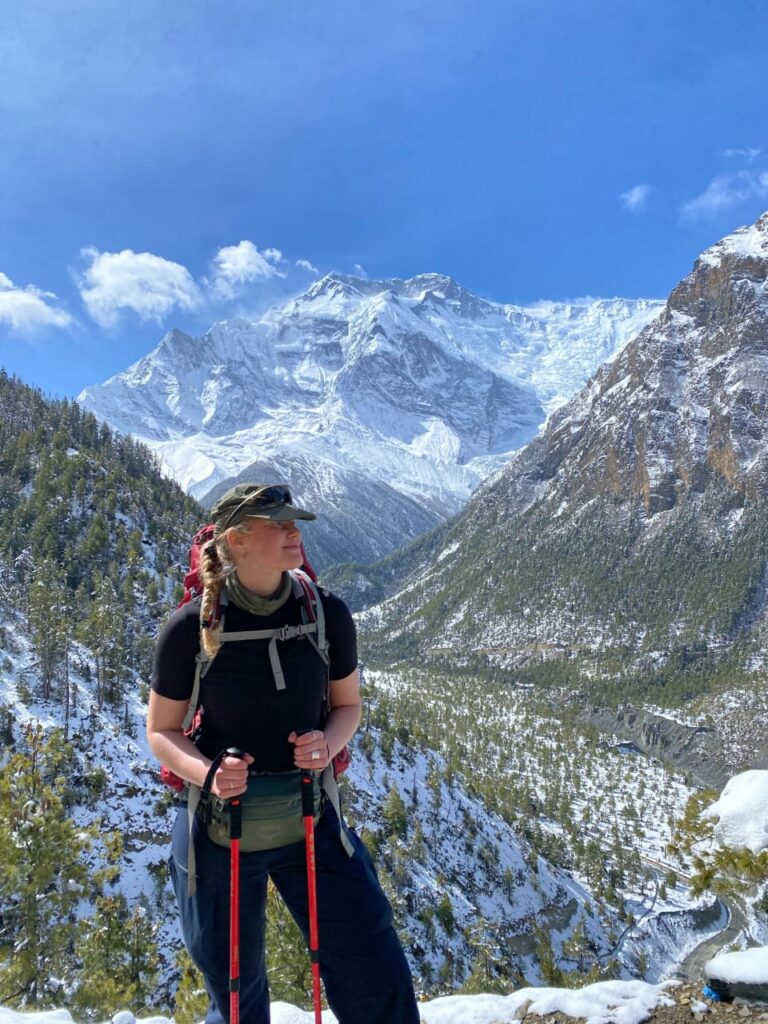
The Annapurna Circuit Trek is one of the world’s greatest trekking adventures, offering breathtaking Himalayan scenery, diverse landscapes, rich cultural experiences, and the unforgettable challenge of crossing Thorong La Pass (5,416 m). While the trek can be completed throughout the year, choosing the right season will significantly enhance your overall experience.
For most trekkers, spring (March to May) and autumn (September to November) remain the best times to visit. These seasons provide stable weather, comfortable temperatures, clear mountain views, and ideal trail conditions. If you prefer peaceful trails and snowy landscapes, winter offers a rewarding adventure, while the monsoon season showcases lush greenery and fewer crowds for experienced trekkers seeking a quieter journey.
No matter when you decide to trek, proper preparation, suitable equipment, and a well-planned itinerary are the keys to a successful adventure. Trekking with an experienced local company ensures you receive expert guidance, reliable support, and valuable local knowledge throughout your journey.
If you’re ready to experience one of Nepal’s most iconic trekking routes, Create Himalaya Adventure is here to help you every step of the way. From planning your itinerary and arranging permits to providing experienced guides and personalized service, we’ll make your Annapurna Circuit Trek safe, memorable, and truly unforgettable.
Start planning your Annapurna Circuit Trek today and discover why this legendary Himalayan journey continues to inspire adventurers from around the world.
Frequently Asked Questions (FAQs) – Best Time for Annapurna Circuit Trek
1. What is the best time to trek the Annapurna Circuit?
The best time to trek the Annapurna Circuit is during spring (March to May) and autumn (September to November). These seasons offer stable weather, clear mountain views, comfortable temperatures, and excellent trail conditions, making them ideal for most trekkers.
2. Which month is the best for the Annapurna Circuit Trek?
April and October are widely considered the best months. April offers blooming rhododendron forests and pleasant temperatures, while October provides crystal-clear skies, dry trails, and spectacular Himalayan views.
3. Can I trek the Annapurna Circuit during the monsoon season?
Yes, you can trek during the monsoon season (June to August). Although the lower trails receive heavy rainfall, the northern sections around Manang and Mustang lie in the Himalayan rain shadow and receive much less rain. Proper rain gear and flexibility are essential.
4. Is winter a good time for the Annapurna Circuit Trek?
Winter (December to February) is suitable for experienced trekkers who are prepared for freezing temperatures and possible snowfall. The trails are quieter, and the snow-covered mountains create breathtaking scenery, but Thorong La Pass may occasionally be closed due to heavy snow.
5. When are the mountain views the clearest?
The clearest mountain views are usually found during autumn (October and November), when the monsoon has cleared dust and haze from the atmosphere. Spring also offers excellent visibility on most days.
6. When is the best time to cross Thorong La Pass?
The safest time to cross Thorong La Pass (5,416 m) is during March to May and late September to November. Trekkers usually begin the ascent before sunrise to avoid strong afternoon winds.
7. What is the temperature at Thorong La Pass?
During spring and autumn, daytime temperatures at Thorong La Pass typically range from -5°C to 8°C, while nighttime temperatures can fall below -15°C. Winter temperatures may drop below -20°C.
8. Which season has the fewest crowds?
Winter (December to February) and the monsoon season (June to August) have the fewest trekkers. If you prefer peaceful trails and quieter teahouses, these seasons are excellent choices.
9. When do rhododendron flowers bloom on the Annapurna Circuit?
The rhododendron forests are at their most beautiful from late March to early May. During this time, the lower hills are covered with vibrant red, pink, white, and purple blossoms.
10. Which season is best for photography?
Autumn is considered the best season for photography because of its crystal-clear skies and exceptional mountain visibility. Spring is also excellent for capturing colorful flowers, lush forests, and vibrant landscapes.
11. Is the Annapurna Circuit suitable for beginners?
Yes. The Annapurna Circuit is suitable for beginners with good physical fitness, especially during spring and autumn when weather conditions are stable. Trekking with an experienced guide is highly recommended.
12. Which season offers the safest trekking conditions?
Autumn (September to November) generally offers the safest trekking conditions due to stable weather, dry trails, and excellent visibility. Spring is also considered very safe for trekking.
13. Can heavy snowfall close Thorong La Pass?
Yes. Heavy snowfall during winter and occasionally in early spring can temporarily close Thorong La Pass. Always check current weather conditions and follow your guide’s advice before attempting the crossing.
14. What should I pack for the Annapurna Circuit in spring and autumn?
Pack layered clothing, thermal base layers, a warm down jacket, waterproof outerwear, trekking boots, gloves, a warm hat, sunglasses, sunscreen, trekking poles, and a sleeping bag suitable for sub-zero temperatures.
15. Which season is best for avoiding rain?
October and November are the driest months and provide the most reliable weather. These months are ideal if you want to avoid rainfall and enjoy clear mountain views.
16. Are teahouses open throughout the year?
Yes. Most teahouses along the Annapurna Circuit remain open year-round. However, during winter, a few lodges in higher villages may close due to heavy snowfall or fewer visitors.
17. How many days should I plan for the Annapurna Circuit Trek?
Most trekkers complete the Annapurna Circuit in 10 to 18 days, depending on the itinerary, acclimatization schedule, and optional side trips such as Tilicho Lake or Poon Hill.
18. Which season is best for seeing snow?
If you want to experience snowy Himalayan landscapes, December through February is the best time. Early March may also offer snow at higher elevations while providing slightly milder weather.
19. Do I need a guide for the Annapurna Circuit Trek?
Hiring a licensed local guide is highly recommended. A guide enhances your safety, assists with navigation, monitors acclimatization, arranges accommodation, and shares valuable knowledge about the local culture, history, and environment.
20. Why should I trek the Annapurna Circuit with Create Himalaya Adventure?
Create Himalaya Adventure has over 19 years of experience leading treks across Nepal. We provide government-licensed local guides, customized itineraries, permit assistance, quality trekking equipment, reliable transportation, comfortable accommodation, and 24/7 customer support. Our commitment to safety, personalized service, and responsible tourism ensures you enjoy a memorable and worry-free Annapurna Circuit Trek in every season.
Ramchandra Lamichhane
Trekking Expert
No hidden fees • Local experts • Best price guarantee