
Everest Base Camp Trek: Nepal’s Most Iconic Himalayan Adventure
Introduction
The Everest Base Camp Trek (EBC Trek) is one of the world’s most iconic trekking adventures, attracting thousands of hikers, nature lovers, and adventure seekers to Nepal every year. Located in the heart of the Khumbu region, this unforgettable journey takes you through picturesque Sherpa villages, ancient Buddhist monasteries, lush rhododendron forests, glacial valleys, and breathtaking Himalayan landscapes before reaching the foot of Mount Everest (8,848.86 meters), the highest mountain on Earth.
Unlike climbing Mount Everest, the Everest Base Camp Trek does not require technical mountaineering skills. It is a high-altitude trekking adventure that can be completed by anyone with good physical fitness, proper preparation, and determination. Along the way, trekkers enjoy close-up views of some of the world’s most spectacular peaks, including Everest, Lhotse, Nuptse, Ama Dablam, Thamserku, Pumori, Kangtega, and Island Peak.
The journey usually begins with a scenic flight to Lukla, often described as one of the world’s most thrilling mountain airports. From there, the trail follows the Dudh Koshi River through charming mountain villages before gradually climbing to Namche Bazaar, the vibrant trading hub of the Khumbu region. As the trek continues, travelers experience the rich culture of the Sherpa people, whose warm hospitality and centuries-old Buddhist traditions add a unique cultural dimension to the adventure.
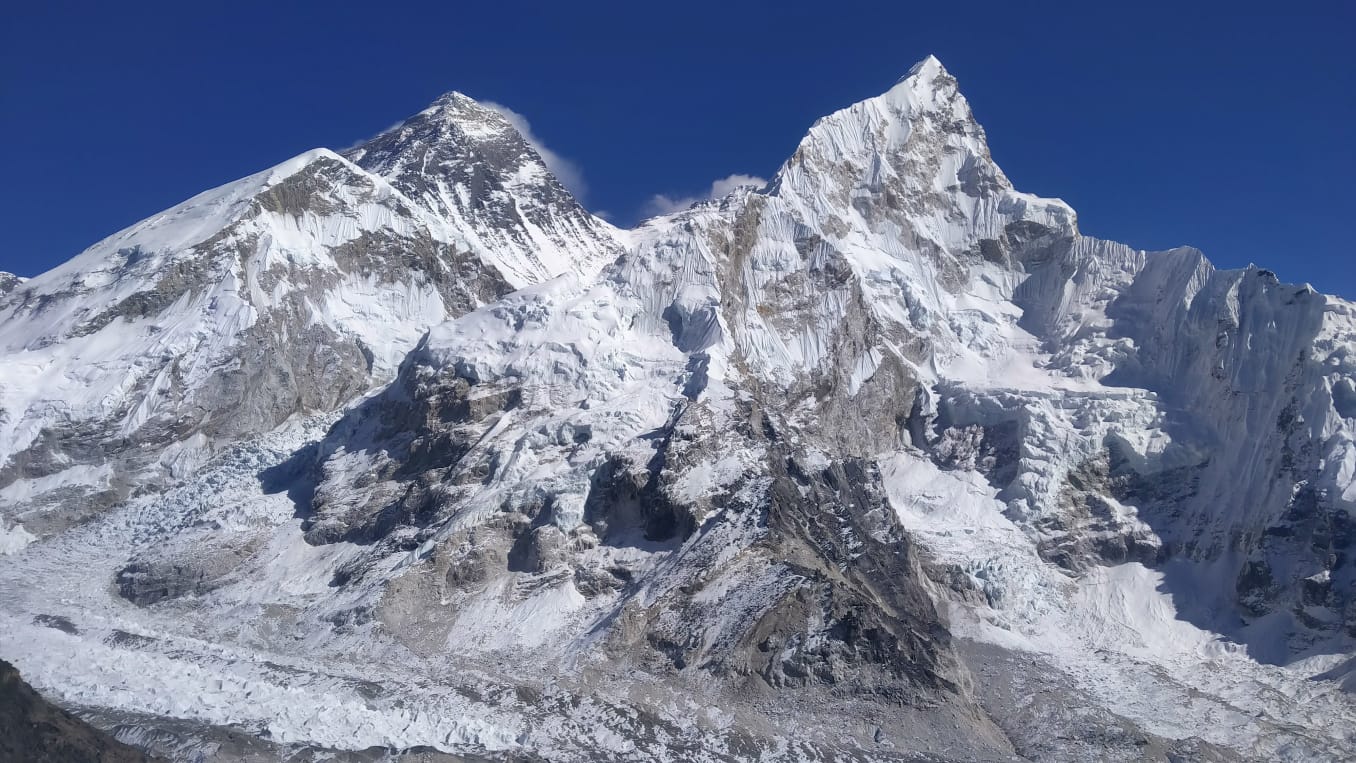
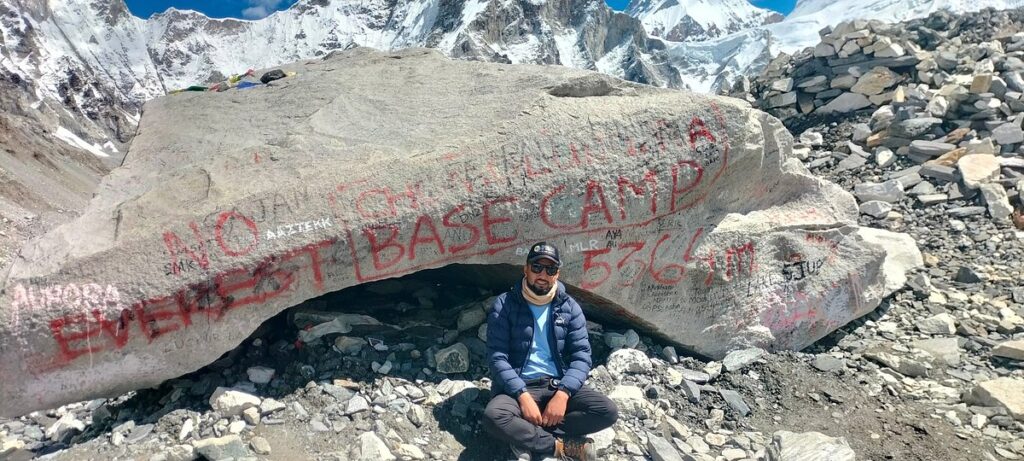
One of the most rewarding moments of the trek is reaching Everest Base Camp (5,364 m), where climbers gather before attempting to summit Everest during the spring climbing season. Although the summit itself is not visible from base camp due to surrounding ridges, trekkers continue to Kala Patthar (5,545 m), the highest point of the standard trek, for the most breathtaking panoramic views of Mount Everest and the surrounding Himalayan giants.
Beyond its incredible scenery, the Everest Base Camp Trek is also a journey of personal achievement. Every step challenges both body and mind, making the final destination even more rewarding. Whether you are trekking for adventure, photography, cultural exploration, or simply to witness the grandeur of the Himalayas, the Everest Base Camp Trek offers an experience that remains unforgettable long after you return home.
Today, the Everest Base Camp Trek is considered one of the best trekking routes in Nepal and consistently ranks among the world’s top trekking destinations. Its combination of dramatic landscapes, rich Himalayan culture, excellent trekking infrastructure, and legendary history makes it a dream adventure for travelers from across the globe.
Where is Everest Base Camp Located?
Everest Base Camp is located in the Khumbu region of northeastern Nepal, inside Sagarmatha National Park, a UNESCO World Heritage Site renowned for its spectacular mountain scenery and unique Himalayan ecosystem. The base camp lies at an altitude of 5,364 meters (17,598 feet) on the southern side of Mount Everest, close to the border between Nepal and Tibet (China).
Unlike the northern Everest Base Camp in Tibet, the Nepal side is accessible only by trekking. Most visitors begin their adventure with a short mountain flight from Kathmandu to Lukla (2,860 m), although during peak trekking seasons many flights operate from Ramechhap Airport due to heavy air traffic.
From Lukla, the trekking route passes through several famous villages, including:
Phakding- Monjo- Namche Bazaar- Tengboche- Dingboche- Lobuche- Gorakshep- Everest Base Camp
The trail follows the beautiful Dudh Koshi River, crossing numerous suspension bridges decorated with colorful Buddhist prayer flags. As trekkers gain elevation, dense pine and rhododendron forests gradually give way to alpine meadows, rocky landscapes, glaciers, and towering snow-covered mountains.
Everest Base Camp itself sits beside the massive Khumbu Glacier, one of the highest glaciers in the world. During the spring climbing season, the glacier transforms into a colorful tent city as mountaineers from around the world prepare for their summit attempts.
Although many first-time trekkers expect panoramic views of Mount Everest from base camp, the mountain is largely hidden by surrounding ridges. For the best unobstructed views, trekkers hike to nearby Kala Patthar, where Everest rises majestically above the Khumbu Glacier, creating one of the most photographed scenes in the Himalayas.
Its location within Sagarmatha National Park also offers opportunities to observe diverse Himalayan wildlife, including Himalayan tahr, musk deer, Himalayan monal (Nepal’s national bird), and, with exceptional luck, the elusive snow leopard.
Why Everest Base Camp Trek is So Famous?
The Everest Base Camp Trek has earned worldwide recognition not only because it leads to the base of the world’s highest mountain but also because it offers an extraordinary combination of adventure, natural beauty, culture, and personal accomplishment.
One of the main reasons for its popularity is the opportunity to trek beneath Mount Everest, a lifelong dream for many travelers. Standing at Everest Base Camp allows trekkers to experience the same starting point used by legendary mountaineers preparing to climb the world’s tallest peak.
Another major attraction is the breathtaking mountain scenery. Throughout the journey, trekkers are rewarded with ever-changing views of towering Himalayan peaks, including Everest, Ama Dablam, Lhotse, Nuptse, Thamserku, Pumori, Cho Oyu, and many other snow-covered summits. Every day brings new landscapes, from lush forests and rushing rivers to glaciers and rugged alpine terrain.
The trek is equally famous for its rich Sherpa culture. The Khumbu region is home to the Sherpa community, whose deep-rooted Buddhist traditions are reflected in ancient monasteries, prayer wheels, mani walls, colorful prayer flags, and chortens scattered along the trail. Visitors have the opportunity to learn about local customs, taste authentic Himalayan cuisine, and experience the warm hospitality that Sherpas are known for worldwide.
Adventure also plays a significant role in the trek’s appeal. Crossing high suspension bridges, landing at Lukla Airport, walking beside the Khumbu Glacier, and reaching elevations above 5,000 meters create an unforgettable sense of achievement. Unlike technical mountaineering expeditions, the Everest Base Camp Trek allows ordinary hikers to experience the Himalayas without specialized climbing equipment.
Another reason for its global popularity is the excellent trekking infrastructure. Comfortable teahouses, experienced local guides, well-marked trails, and reliable trekking services make the journey accessible to both first-time trekkers and experienced hikers. Modern facilities, including Wi-Fi, charging stations, and local bakeries in many villages, further enhance the overall experience.
The trek has also gained international attention through documentaries, books, films, and the historic first ascent of Mount Everest by Sir Edmund Hillary and Tenzing Norgay Sherpa in 1953. Their remarkable achievement inspired generations of adventurers to explore the Khumbu region, making the Everest Base Camp Trek one of the most sought-after trekking experiences in the world.
Today, whether your goal is adventure, photography, cultural exploration, or simply witnessing the grandeur of the Himalayas, the Everest Base Camp Trek continues to be regarded as one of the greatest journeys on Earth.
Everest Base Camp Trek Highlights
The Everest Base Camp Trek offers countless unforgettable experiences. Here are some of the journey’s most memorable highlights:
- Trek to the legendary Everest Base Camp (5,364 m), the starting point for Everest summit expeditions.
- Hike to Kala Patthar (5,545 m) for the closest and most spectacular panoramic view of Mount Everest.
- Experience one of the world’s most scenic mountain flights to Lukla.
- Explore Sagarmatha National Park, a UNESCO World Heritage Site known for its unique Himalayan biodiversity.
- Walk alongside the impressive Khumbu Glacier and witness its dramatic ice formations.
- Enjoy breathtaking views of Mount Everest, Ama Dablam, Lhotse, Nuptse, Pumori, Thamserku, Kangtega, and many other Himalayan peaks.
- Visit the vibrant mountain town of Namche Bazaar, the commercial and cultural center of the Khumbu region.
- Discover the spiritual atmosphere of Tengboche Monastery, the largest Buddhist monastery in the Everest region.
- Experience authentic Sherpa culture, traditions, festivals, and local hospitality.
- Cross thrilling suspension bridges adorned with colorful Buddhist prayer flags.
- Trek through beautiful pine, juniper, birch, and rhododendron forests.
- Witness spectacular sunrise and sunset views over the Himalayan peaks.
- Stay in traditional Himalayan teahouses and enjoy delicious local cuisine.
- Meet trekkers and climbers from around the world sharing the same dream.
- Challenge yourself physically while creating memories that will last a lifetime.
The Everest Base Camp Trek is much more than a walk to a famous destination—it is an inspiring journey through the heart of the Himalayas, where breathtaking landscapes, rich culture, and personal achievement come together to create one of the world’s finest trekking experiences.
Detailed Day-by-Day Everest Base Camp Trek Itinerary
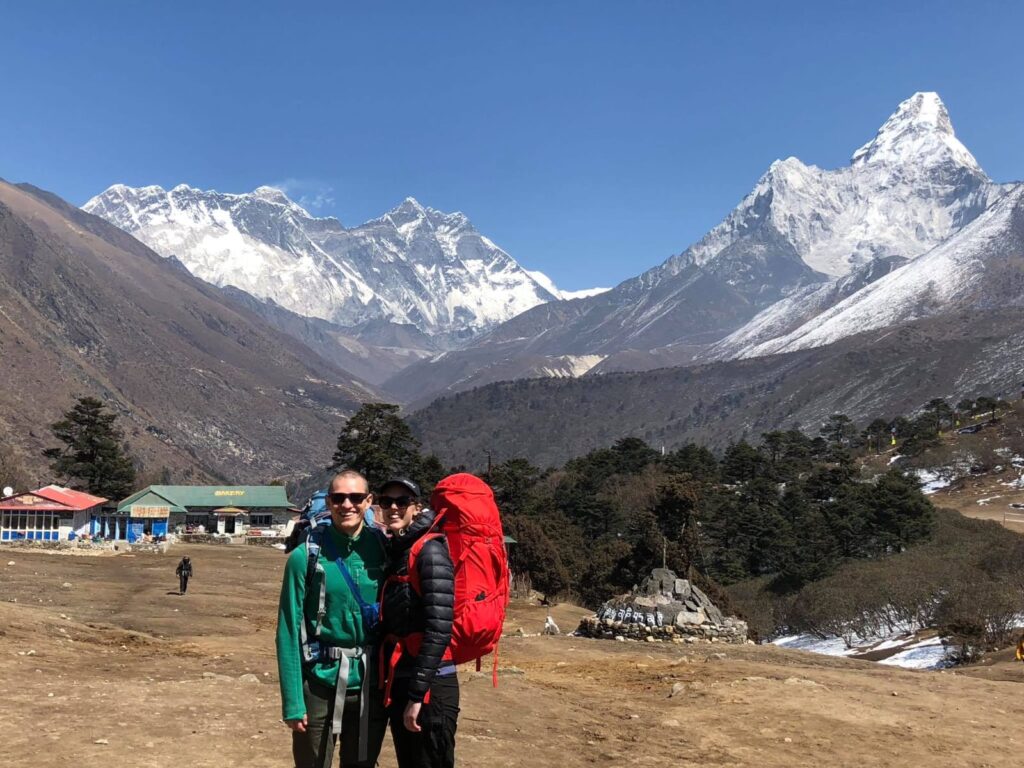
The classic 12-day Everest Base Camp Trek itinerary is carefully designed to allow gradual acclimatization while giving trekkers enough time to enjoy the breathtaking landscapes, Sherpa culture, and magnificent Himalayan scenery. Although some itineraries are shorter or longer, this route offers the ideal balance between adventure and safety.
Day 1: Fly to Lukla (2,860 m) and Trek to Phakding (2,610 m)
Your adventure begins with a scenic flight from Kathmandu (or Ramechhap during peak seasons) to Lukla. The short flight offers spectacular aerial views of the Himalayas before landing at the famous Tenzing-Hillary Airport. From Lukla, the trail descends gently through small Sherpa settlements and pine forests before reaching Phakding, where you’ll spend your first night in the mountains.
Walking Time: 3–4 hours
Day 2: Trek from Phakding to Namche Bazaar (3,440 m)
Following the Dudh Koshi River, today’s trail crosses several suspension bridges decorated with colorful prayer flags. After entering Sagarmatha National Park at Monjo, the route gradually climbs toward Namche Bazaar. The final ascent is challenging but rewards trekkers with their first glimpse of Mount Everest on a clear day.
Walking Time: 6–7 hours
Day 3: Acclimatization Day at Namche Bazaar
Proper acclimatization is essential for a successful Everest Base Camp Trek. Rather than resting completely, you’ll hike to higher elevations before returning to Namche Bazaar. Popular destinations include Hotel Everest View, Khumjung Village, or the Everest Viewpoint.
These hikes provide stunning views of Everest, Ama Dablam, Lhotse, and Thamserku while helping your body adjust to the increasing altitude.
Day 4: Trek from Namche Bazaar to Tengboche (3,860 m)
Today’s trail offers one of the most scenic walks of the entire trek. You’ll follow a ridge with magnificent mountain views before descending to the Dudh Koshi River and climbing through rhododendron forests to Tengboche.
The highlight of the day is visiting the famous Tengboche Monastery, the largest Buddhist monastery in the Khumbu region.
Walking Time: 5–6 hours
Day 5: Trek from Tengboche to Dingboche (4,410 m)
Leaving the forests behind, the landscape gradually becomes more alpine and rugged. Passing through Pangboche, one of the oldest Sherpa villages, you’ll continue toward Dingboche while enjoying panoramic views of Ama Dablam, Island Peak, and Lhotse.
As you gain altitude, the vegetation becomes sparse, and the surrounding mountains dominate the horizon.
Walking Time: 5–6 hours
Day 6: Acclimatization Day at Dingboche
Your second acclimatization day helps prepare your body for elevations above 5,000 meters.
Most trekkers hike to Nagarjun Hill or Chhukung Valley, where breathtaking panoramic views reward the climb. Returning to Dingboche for the night allows your body to adapt safely before continuing higher.
Day 7: Trek from Dingboche to Lobuche (4,910 m)
The trail gradually climbs through alpine terrain before reaching Thukla Pass, where memorials honor climbers who lost their lives on Everest and nearby peaks.
Continuing along the Khumbu Glacier moraine, you’ll arrive at Lobuche surrounded by towering Himalayan peaks.
Walking Time: 5–6 hours
Day 8: Trek to Everest Base Camp (5,364 m) and Return to Gorakshep (5,164 m)
Today is the most anticipated day of the trek.
After reaching Gorakshep, you’ll leave your luggage and continue toward Everest Base Camp. Walking beside the Khumbu Glacier, you’ll finally stand at the base of the world’s highest mountain—a dream destination for trekkers from around the globe.
Although Mount Everest itself is partially hidden from base camp, the dramatic glacier, colorful expedition tents during climbing season, and surrounding peaks create an unforgettable experience.
After celebrating your achievement, you’ll return to Gorakshep for the night.
Walking Time: 7–8 hours
Day 9: Hike to Kala Patthar (5,545 m) and Trek to Pheriche (4,240 m)
Before sunrise, you’ll climb Kala Patthar, the highest point of the standard Everest Base Camp Trek.
This viewpoint offers the most spectacular panoramic view of Mount Everest, along with Nuptse, Pumori, Lhotse, Lingtren, and countless surrounding peaks glowing in the morning sunlight.
After descending to Gorakshep for breakfast, you’ll continue downhill to Pheriche.
Walking Time: 7–8 hours
Day 10: Trek from Pheriche to Namche Bazaar
Descending becomes noticeably easier as oxygen levels increase. The trail retraces your steps through Pangboche and Tengboche before returning to the lively streets of Namche Bazaar.
Many trekkers celebrate their successful journey with freshly brewed coffee or homemade pastries from one of Namche’s famous bakeries.
Walking Time: 6–7 hours
Day 11: Trek from Namche Bazaar to Lukla
Your final trekking day follows the Dudh Koshi River back to Lukla, passing familiar villages, suspension bridges, and forests. Although mostly downhill, there are still several uphill sections before reaching Lukla.
In the evening, many trekking groups gather to celebrate completing one of Nepal’s most iconic adventures.
Walking Time: 6–7 hours
Day 12: Fly Back to Kathmandu
After breakfast, you’ll board an early morning flight from Lukla, enjoying one last spectacular view of the Himalayas before returning to Kathmandu.
With unforgettable memories, incredible photographs, and a tremendous sense of accomplishment, your Everest Base Camp adventure comes to an end.
Everest Base Camp Trek Distance
The Everest Base Camp Trek distance varies slightly depending on the itinerary and acclimatization hikes, but the classic route covers approximately 130 kilometers (81 miles) round trip from Lukla to Everest Base Camp and back.
Here is an approximate breakdown of the trekking distance:
| Route | Distance |
|---|---|
| Lukla → Phakding | 8 km |
| Phakding → Namche Bazaar | 10–11 km |
| Namche Bazaar → Tengboche | 10 km |
| Tengboche → Dingboche | 11 km |
| Dingboche → Lobuche | 8 km |
| Lobuche → Gorakshep → Everest Base Camp | 15 km |
| Return to Lukla | Approximately 68 km |
| Total Distance | About 130 km (81 miles) |
Although the total distance may not seem extreme, the combination of steep ascents, rocky trails, high altitude, and thinner air makes the trek significantly more demanding than hiking the same distance at lower elevations.
Trekkers typically walk:
- 5–8 hours each day
- 8–15 kilometers daily
At a slow and steady pace to aid acclimatization
The key to completing the trek comfortably is not speed but consistency. Walking slowly, taking regular breaks, staying hydrated, and allowing time for acclimatization greatly improve your chances of a successful trek.
Everest Base Camp Trek Altitude
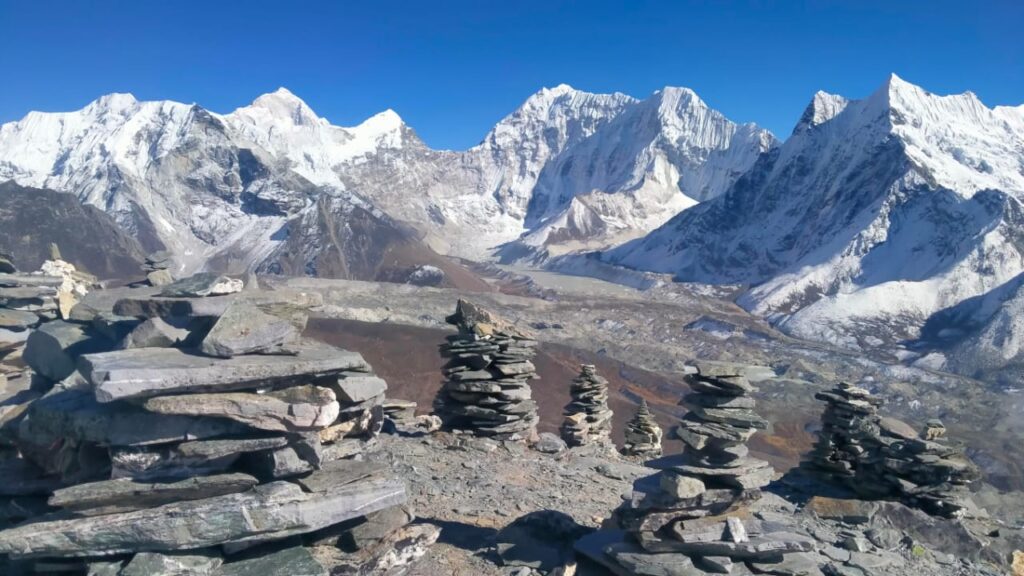
Altitude is one of the most important factors to understand before starting the Everest Base Camp Trek. As you ascend, the oxygen level decreases significantly, making every step more physically demanding. Proper acclimatization is essential for both safety and enjoyment.
Below is the altitude profile of the classic Everest Base Camp Trek:
| Location | Altitude |
|---|---|
| Kathmandu | 1,400 m (4,593 ft) |
| Lukla | 2,860 m (9,383 ft) |
| Phakding | 2,610 m (8,563 ft) |
| Namche Bazaar | 3,440 m (11,286 ft) |
| Tengboche | 3,860 m (12,664 ft) |
| Dingboche | 4,410 m (14,469 ft) |
| Lobuche | 4,910 m (16,109 ft) |
| Gorakshep | 5,164 m (16,942 ft) |
| Everest Base Camp | 5,364 m (17,598 ft) |
| Kala Patthar | 5,545 m (18,192 ft) |
By the time you reach Everest Base Camp, the available oxygen is only about half of what it is at sea level. This reduced oxygen level explains why trekkers often experience slower walking speeds, heavier breathing, and quicker fatigue at higher elevations.
For this reason, the itinerary includes two dedicated acclimatization days—one in Namche Bazaar and another in Dingboche. These rest days are not optional luxuries; they are a crucial part of a safe and successful trek.
Altitude Sickness and Acclimatization Tips
Altitude sickness, also known as Acute Mountain Sickness (AMS), is one of the biggest challenges on the Everest Base Camp Trek. It can affect anyone, regardless of age or fitness level, once they ascend above 2,500–3,000 meters.
Common Symptoms of Altitude Sickness
Watch for these early warning signs:
- Persistent headache
- Loss of appetite
- Nausea or vomiting
- Dizziness
- Difficulty sleeping
- Unusual tiredness
- Shortness of breath while resting
If symptoms worsen, immediate descent is essential. Severe altitude illness can become life-threatening if ignored.
How to Prevent Altitude Sickness
Fortunately, most cases of AMS can be prevented by following a few simple guidelines:
- Ascend gradually and follow a well-planned itinerary.
- Never skip acclimatization days.
- Walk slowly and avoid rushing.
- Drink 3–4 liters of water each day.
- Eat regular, carbohydrate-rich meals.
- Avoid alcohol and smoking at high altitude.
- Get enough sleep each night.
- Listen to your guide and report any symptoms immediately.
- Consult your doctor before the trek if you plan to use preventive medication such as acetazolamide (Diamox).
The golden rule in the Himalayas is simple: climb high, sleep low, and never ignore symptoms. With proper acclimatization, a sensible pace, and guidance from experienced professionals, the vast majority of trekkers complete the Everest Base Camp Trek safely and enjoyably.
Sunrise and Sunset Views During the Trek
One of the most magical aspects of the Everest Base Camp Trek is witnessing the spectacular sunrise and sunset over the Himalayan giants. As the first rays of sunlight touch the snow-covered peaks, the mountains transform into brilliant shades of gold, orange, pink, and crimson. These unforgettable moments are among the highlights of the trek and provide incredible opportunities for photography.
Unlike many mountain destinations where the views are limited, the Everest region offers breathtaking sunrise and sunset panoramas from several locations along the trail. Every day presents a different perspective of the Himalayas, making each morning and evening unique.
Best Places to Watch Sunrise
- Kala Patthar (5,545 m): Kala Patthar is widely regarded as the finest viewpoint in the Everest region. Most trekkers begin hiking before dawn to reach the summit in time for sunrise. As daylight slowly illuminates Mount Everest, Lhotse, Nuptse, Pumori, and Lingtren, the scenery becomes truly unforgettable.
- This viewpoint offers the closest and clearest panoramic view of Mount Everest during the entire trek. On clear mornings, the golden light reflecting off Everest’s summit creates one of Nepal’s most iconic landscapes.
- Hotel Everest View: Located above Namche Bazaar, Hotel Everest View is another excellent sunrise destination. The short acclimatization hike rewards trekkers with panoramic views of Everest, Ama Dablam, Thamserku, and Kongde Ri while enjoying one of the highest luxury hotels in the world.
- Tengboche: The area around Tengboche Monastery provides magnificent early morning views of Ama Dablam standing dramatically behind the monastery. The peaceful atmosphere, combined with fluttering prayer flags and snow-capped mountains, creates an unforgettable Himalayan scene.
Best Places to Watch Sunset
Sunset in the Everest region is equally mesmerizing. As daylight fades, the mountains gradually glow in warm golden colors before turning deep orange and finally purple beneath the evening sky.
Some of the best sunset viewpoints include:
- Namche Bazaar
- Tengboche
- Dingboche
- Lobuche
- Kala Patthar (for those staying nearby)
The peaceful atmosphere after sunset, combined with the crisp mountain air and brilliant night sky, makes evenings in the Everest region particularly memorable.
Photography Tips
To capture the best sunrise and sunset photographs:
- Wake up early and arrive before sunrise.
- Carry spare batteries, as cold temperatures reduce battery life.
- Use a tripod if possible for low-light photography.
- Protect your camera from frost and condensation.
- Dress warmly because morning temperatures can be well below freezing.
Whether you’re using a professional camera or a smartphone, the Everest region offers some of the finest mountain photography opportunities anywhere in the world.
Everest Base Camp Trek Difficulty
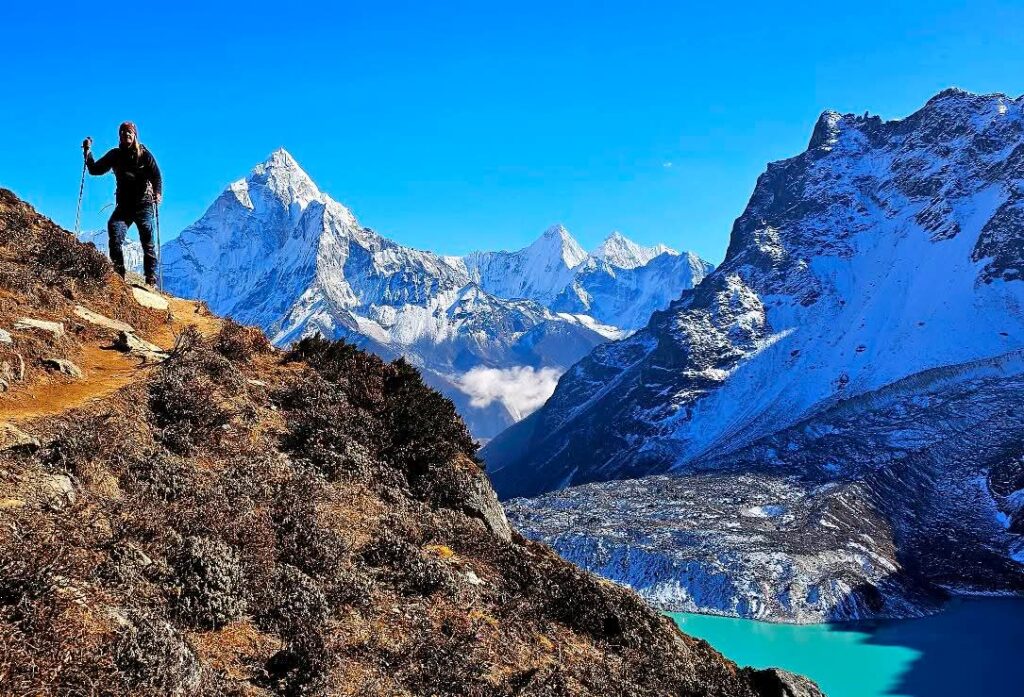
Many travelers ask, “How difficult is the Everest Base Camp Trek?” The answer is that the trek is considered moderately difficult to challenging. It does not involve technical climbing, ropes, or mountaineering skills, but it requires good physical fitness, determination, and the ability to walk for several consecutive days at high altitude.
The challenge comes primarily from the altitude, rather than the trail itself. As you climb higher, oxygen levels decrease, making even gentle uphill sections feel more strenuous. Above 5,000 meters, the air contains about half the oxygen available at sea level, so slow walking and proper acclimatization become essential.
Factors That Make the Trek Challenging
High Altitude
The biggest challenge is adapting to the reduced oxygen levels. Trekkers often experience shortness of breath, slower walking speeds, and quicker fatigue as they ascend.
Long Walking Days
Most trekking days involve 5 to 8 hours of walking. Some days, particularly those to Everest Base Camp and Kala Patthar, may require 7 to 9 hours of hiking.
Steep Ascents and Descents
Although there are no technical climbing sections, the trail includes countless stone staircases, rocky paths, suspension bridges, and steep uphill climbs that require endurance.
Weather Conditions
Weather in the Everest region can change rapidly. Even during the main trekking seasons, mornings may be sunny while afternoons bring clouds, snow, or strong winds. Temperatures above 4,000 meters often drop below freezing at night.
Who Can Complete the Trek?
The Everest Base Camp Trek is achievable for most healthy individuals with proper preparation. You do not need previous high-altitude trekking experience, but regular physical activity before the trip significantly improves your chances of completing the trek comfortably.
People who regularly participate in activities such as hiking, jogging, cycling, swimming, or gym workouts generally adapt well to the demands of the trek.
The most important qualities are patience, a steady pace, and a positive mindset.
Everest Base Camp Trek Permits
Every foreign trekker must obtain the required permits before entering the Everest region. These permits help maintain trekking trails, support local communities, and protect the fragile Himalayan environment.
Unlike many other trekking regions in Nepal, the Everest Base Camp Trek does not require a TIMS (Trekkers’ Information Management System) card
The two mandatory permits are:
Khumbu Pasang Lhamu Rural Municipality Permit
This permit is issued by the local government and is required for all trekkers entering the Khumbu region.
Permit Cost:
- Foreign Nationals: NPR 3,000 per person
- SAARC Nationals: NPR 2,000 per person
The permit is usually obtained at Lukla or Monjo.
Sagarmatha National Park Entry Permit
Since the trekking route passes through Sagarmatha National Park, every visitor must purchase this conservation permit.
Permit Cost:
- Foreign Nationals: NPR 3,000 + VAT
- SAARC Nationals: NPR 1,500 + VAT
- Nepali Citizens: NPR 100
The permit can be obtained in Kathmandu or at the entrance gate in Monjo.
Documents Required
Carry the following:
- Original passport
- Passport-size photographs (recommended)
- Permit fees in Nepalese Rupees
- Travel insurance details
If you book your trek through a registered trekking company like Create Himalaya Adventure, the company will usually arrange all necessary permits before the trek begins.
Everest Base Camp Trek Cost Breakdown
The Everest Base Camp Trek cost varies depending on the itinerary, travel style, group size, and services included. Independent trekkers usually spend less upfront but must arrange every detail themselves, while guided packages offer greater convenience, safety, and logistical support.
For most travelers, a 12–14-day guided Everest Base Camp Trek typically costs between US$1,200 and US$2,000 per person. Luxury packages with premium lodges or a helicopter return generally cost more.
Typical Cost Breakdown
| Expense | Estimated Cost (USD) |
|---|---|
| Lukla Round-Trip Flight | $450–$510 |
| Required Permits | $50–$70 |
| Accommodation | $200–$350 |
| Meals | $250–$400 |
| Licensed Trekking Guide | $30–$40 per day |
| Porter (Optional) | $20–$30 per day |
| Travel Insurance | Varies |
| Personal Expenses | $150–$300 |
Additional Expenses
Besides the main trekking package, budget for:
- Hot showers
- Wi-Fi access
- Battery charging
- Bottled or purified drinking water
- Snacks, chocolate, and bakery items
- Soft drinks and hot beverages
- Tips for guides and porters
- Souvenirs purchased in Namche Bazaar or Lukla
Keeping some extra cash for unexpected expenses is always recommended, as prices increase with altitude due to the difficulty of transporting supplies into the mountains.
Physical Fitness Requirements for Everest Base Camp Trek
The Everest Base Camp Trek does not require mountaineering experience, but it does demand good physical fitness and endurance. Preparing your body before the trek makes the journey safer, more enjoyable, and less exhausting.
Ideally, begin training 8–12 weeks before your departure.
Recommended Training
Focus on improving cardiovascular fitness and leg strength through activities such as:
- Hiking on hills with a backpack
- Running or jogging
- Cycling
- Swimming
- Stair climbing
- Strength training for legs and core
- Flexibility and stretching exercises
Aim to exercise 3–5 times per week, gradually increasing the duration and intensity of your workouts.
Mental Preparation
Physical fitness is only part of the challenge. Maintaining a positive attitude, walking at your own pace, and adapting to changing weather and trail conditions are equally important.
Remember that the goal is not to finish quickly but to trek steadily while allowing your body enough time to acclimatize.
With proper preparation, realistic expectations, and guidance from experienced professionals, most healthy trekkers can successfully complete the Everest Base Camp Trek and enjoy one of the world’s greatest Himalayan adventures.
Best Time to Trek to Everest Base Camp
Choosing the best time for the Everest Base Camp Trek plays a significant role in your overall experience. Weather, visibility, trail conditions, and temperature all vary throughout the year. Although the trek is possible in every season, spring (March to May) and autumn (September to November) are considered the best times due to stable weather, clear mountain views, and comfortable trekking conditions.
Spring (March to May)
Spring is the most popular season for the Everest Base Camp Trek. As winter snow melts, the trails become more accessible, and rhododendron forests bloom with vibrant colors. The weather is generally stable, with mild daytime temperatures and crystal-clear mountain views.
This is also the Everest climbing season, so trekkers may witness colorful expedition tents at Everest Base Camp and meet mountaineers preparing for summit attempts.
Advantages:
- Clear visibility of Himalayan peaks
- Comfortable daytime temperatures
- Blooming rhododendron forests
- Lively teahouses and trekking atmosphere
- Ideal conditions for photography
Considerations:
- Trails can be busy during April and May.
- Flights to Lukla may experience delays due to increased air traffic.
Summer/Monsoon (June to August)
The monsoon season brings frequent rainfall to most parts of Nepal. Lower sections of the Everest trail become greener, but rain, clouds, slippery trails, and occasional flight delays are common.
However, rainfall decreases significantly as you climb to higher elevations, and the landscapes become lush and vibrant.
Advantages:
- Fewer trekkers
- Peaceful trekking experience
- Green valleys and fresh mountain scenery
- Easier availability of accommodation
Considerations:
- Rain can affect visibility.
- Wet trails become slippery.
- Leeches may be present in lower forests.
- Flights are more likely to be delayed or canceled.
Autumn (September to November)
Autumn is widely regarded as the best season for the Everest Base Camp Trek After the monsoon clears the atmosphere, the skies become exceptionally blue, providing outstanding visibility of the Himalayan range.
Temperatures remain comfortable during the day, while cool nights create ideal trekking conditions.
Advantages
- Crystal-clear mountain views
- Stable weather
- Dry trekking trails
- Comfortable temperatures
- Major Nepalese festivals such as Dashain and Tihar
Considerations
- Accommodation should be booked well in advance.
- Lukla flights become very busy.
Winter (December to February)
Winter transforms the Everest region into a peaceful snowy wonderland. The trails are much quieter, offering a more remote trekking experience. Clear skies often provide spectacular mountain views.
Although trekking is still possible, cold temperatures and occasional snowfall require proper winter equipment.
Advantages:
- Quiet trails
- Excellent mountain visibility
- Peaceful teahouse experience
- Beautiful snow-covered landscapes
Considerations:
- Temperatures can fall below -20°C at higher elevations.
- Some lodges in remote areas may close temporarily.
- Heavy snowfall may affect trail conditions.
Which Season Should You Choose?
If you want the best combination of pleasant weather, clear mountain views, and reliable trekking conditions, spring (March to May) and autumn (September to November) are highly recommended.
Travelers seeking solitude may prefer winter, while experienced trekkers looking for fewer crowds may enjoy the monsoon season despite the weather challenges.
Food and Accommodation on the Everest Base Camp Trek
One of the reasons the Everest Base Camp Trek is so popular is its well-developed teahouse system. Along the trail, you’ll find comfortable mountain lodges offering warm meals, cozy rooms, and welcoming hospitality. While facilities become simpler at higher elevations, they remain sufficient for a safe and enjoyable trekking experience.
Accommodation
Most trekkers stay in locally owned teahouses, which are simple mountain lodges operated by Sherpa families. Rooms generally include:
- Twin beds with mattresses
- Pillows and blankets
- Shared bathrooms
- Dining hall with a heated stove
- Basic furniture for overnight stays
As you climb above 4,000 meters, accommodations become more basic because transporting construction materials and supplies becomes increasingly difficult.
Despite their simplicity, teahouses provide a warm, friendly atmosphere where trekkers from around the world gather each evening to share stories and experiences.
Food Available on the Trail
Teahouses serve a surprising variety of freshly prepared meals. Since most ingredients are transported by porters, yaks, or helicopters, menus remain fairly consistent throughout the region.
Popular meals include:
Traditional Nepalese Food
- Dal Bhat (rice, lentil soup, vegetables, and pickles)
- Vegetable curry
- Fried rice
- Sherpa stew
- Tibetan bread
International Dishes
- Fried noodles
- Pasta
- Pizza
- Momos (dumplings)
- Omelets
- Pancakes
- Soups
- Sandwiches
Breakfast often includes:
- Porridge
- Toast
- Eggs
- Pancakes
- Muesli
- Tea or coffee
For snacks, many teahouses sell:
- Chocolate bars
- Biscuits
- Energy bars
- Popcorn
- Fresh apple pie
- Cakes
One pleasant surprise for many trekkers is the availability of bakeries in Namche Bazaar, where you can enjoy fresh pastries, coffee, and desserts even in the heart of the Himalayas.
Meal Costs
Food prices increase with altitude because all supplies must be carried into the mountains.
For example:
- Tea or coffee costs significantly more in Gorakshep than in Lukla.
- A plate of Dal Bhat at higher elevations costs more than at lower villages.
Although prices rise, the quality of food generally remains good, and portions are generous enough to keep trekkers energized.
Drinking Water Availability on the Everest Base Camp Trek
Staying hydrated is one of the most important aspects of trekking at high altitude. Most experts recommend drinking 3 to 4 liters of water daily to reduce the risk of dehydration and altitude sickness.
Fortunately, clean drinking water is readily available throughout the Everest Base Camp Trek.
Water Sources
Trekkers can obtain water from:
- Teahouses
- Public water stations
- Natural springs (after purification)
Because untreated mountain water may contain harmful microorganisms, it should always be purified before drinking.
Safe Drinking Options
The safest choices include:
- Boiled drinking water sold at teahouses
- Water purification tablets
- Portable water filters
- UV purification devices
Many environmentally conscious trekkers carry reusable water bottles together with purification systems instead of purchasing bottled water.
Avoid Single-Use Plastic Bottles
Plastic waste has become an increasing environmental concern in the Everest region. Many local communities actively encourage visitors to minimize plastic consumption by using refillable bottles.
Choosing reusable bottles not only reduces waste but also helps protect the fragile Himalayan ecosystem for future generations.
Guide and Porter: Should You Hire Them?
Although experienced hikers can complete the Everest Base Camp Trek independently, hiring a licensed guide and an experienced porter significantly improves the overall trekking experience.
Professional trekking companies such as Create Himalaya Adventure provide knowledgeable guides who ensure your journey is safe, informative, and enjoyable.
Benefits of Hiring a Guide
A licensed guide can:
- Navigate the trail confidently
- Monitor your health and acclimatization
- Arrange accommodation
- Handle permits and logistics
- Explain Sherpa culture and local history
- Provide emergency assistance if needed
- Communicate with local teahouse owners
Their local knowledge allows you to focus entirely on enjoying the trek.
Benefits of Hiring a Porter
A porter carries your main trekking bag, allowing you to walk comfortably with only a small daypack containing essentials.
Most porters carry up to 20–25 kg, usually shared between two trekkers.
Hiring a porter helps:
- Reduce physical fatigue
- Conserve energy at high altitude
- Improve trekking enjoyment
- Support local employment in mountain communities
Is Hiring a Guide Worth It?
For first-time visitors to Nepal, families, older trekkers, or anyone unfamiliar with high-altitude trekking, hiring a guide is highly recommended.
Beyond safety and convenience, choosing local guides and porters contributes directly to the livelihoods of Sherpa communities and promotes responsible tourism in the Everest region.
Communication: Wi-Fi, Mobile Network, Electricity, and Charging Facilities
Despite its remote location, the Everest region offers surprisingly good communication facilities. However, connectivity becomes less reliable as you climb to higher elevations.
Wi-Fi
Many teahouses provide Wi-Fi for an additional fee. Internet speeds vary depending on location and weather conditions.
Wi-Fi is generally available in:
- Lukla
- Phakding
- Namche Bazaar
- Tengboche
- Dingboche
- Lobuche
- Gorakshep (limited)
While suitable for messaging and emails, it may not support high-quality video calls or large file uploads at higher elevations.
Mobile Network
Both Nepal Telecom (NTC) and Ncell offer mobile coverage in parts of the Everest region.
NTC generally provides broader coverage at higher elevations, although signal strength varies depending on terrain and weather.
Electricity
Most villages have electricity or solar power systems.
Charging facilities are available in almost every teahouse, but a small fee is usually charged for:
- Mobile phones
- Cameras
- Smartwatches
- Power banks
Since electricity may occasionally be limited, carrying a high-capacity power bank is highly recommended.
Cold temperatures drain batteries quickly, so keeping electronics inside your sleeping bag overnight helps preserve battery life.
Essential Packing List for Everest Base Camp Trek
Packing wisely makes your trek more comfortable and safer. Bring quality gear without overpacking, as unnecessary weight can make high-altitude trekking more difficult.
Clothing
- Waterproof trekking jacket
- Down jacket
- Fleece jacket
- Thermal base layers
- Trekking shirts
- Trekking pants
- Waterproof pants
- Warm hat
- Sun hat
- Gloves (inner and insulated)
- Wool socks
- Neck gaiter or buff
Footwear
- Waterproof trekking boots
- Comfortable camp shoes or sandals
- Gaiters (optional in snowy conditions)
Equipment
- Backpack (30–40 liters)
- Duffel bag (if using a porter)
- Trekking poles
- Sleeping bag (rated to at least -15°C)
- Headlamp with spare batteries
- Sunglasses with UV protection
- Reusable water bottles
- Water purification tablets or filter
- Power bank
- Camera
Personal Items
- Passport and permits
- Travel insurance documents
- Sunscreen (SPF 50+)
- Lip balm
- Personal medications
- Basic first-aid kit
- Toiletries
- Quick-dry towel
Packing light while carrying high-quality essentials helps you stay comfortable throughout this unforgettable Himalayan adventure.
Trekking Insurance Requirements
Travel insurance is one of the most important preparations for the Everest Base Camp Trek. While many trekkers focus on flights, permits, and packing, comprehensive travel insurance provides essential financial protection in case of unexpected events during the journey.
Since the trek reaches an altitude of 5,545 meters at Kala Patthar, medical treatment and emergency evacuation can be extremely expensive without insurance. A helicopter rescue from the Everest region may cost several thousand dollars, making proper insurance a necessity rather than an option.
What Should Your Insurance Cover?
Before purchasing a policy, make sure it includes:
- High-altitude trekking coverage up to 5,545 meters
- Emergency helicopter evacuation
- Emergency medical treatment and hospitalization
- Trip cancellation or interruption
- Flight delays and baggage loss
- Personal accident coverage
- Repatriation if necessary
Always read the policy carefully, as some standard travel insurance plans exclude trekking above certain altitudes.
Carry Insurance Documents
Bring both digital and printed copies of your insurance policy, emergency contact numbers, and policy details. Share a copy with your trekking guide or trekking company before beginning the trek.
If you’re trekking with Create Himalaya Adventure, your guide can assist with emergency procedures and coordinate with your insurance provider if evacuation becomes necessary.
Money Matters: ATMs, Cash, Dollars, and Expenses
Managing your money properly is essential for a smooth Everest Base Camp Trek. Although the Everest region has become more developed over the years, banking services remain limited once you leave the lower villages.
Are ATMs Available?
There are a few ATMs in Namche Bazaar and occasionally in Lukla. However, they cannot always be relied upon due to:
- Power outages
- Internet connectivity issues
- Cash shortages
- Technical maintenance
For this reason, it is best not to depend on ATMs during your trek.
Should You Carry Cash?
Yes. Carry enough Nepalese Rupees (NPR) before leaving Kathmandu.
Cash is needed for:
- Hot showers
- Wi-Fi
- Battery charging
- Snacks and drinks
- Bakery items
- Souvenirs
- Tips for guides and porters
- Personal purchases
Most teahouses and shops do not accept credit cards or digital payment methods.
Can You Pay with US Dollars?
US dollars are accepted by some trekking agencies and hotels in Kathmandu, but Nepalese Rupees are the preferred and often the only accepted currency along the Everest Base Camp trail.
Exchanging money in Kathmandu before the trek is strongly recommended.
Daily Personal Expenses
Your daily spending depends on your travel style. Besides meals included in your trekking package, many trekkers spend extra on:
- Tea, coffee, and hot chocolate
- Soft drinks
- Bottled or boiled drinking water
- Chocolate and energy bars
- Charging electronic devices
- Internet access
- Laundry (available only in lower villages)
- Keeping a small reserve of cash for unexpected expenses is always a good idea.
Sherpa Culture and Local Traditions
One of the most rewarding aspects of the Everest Base Camp Trek is experiencing the unique culture of the Sherpa people, who have lived in the Khumbu region for generations. Their remarkable resilience, mountaineering expertise, and warm hospitality have made them famous around the world.
Despite being widely recognized for supporting Himalayan expeditions, Sherpas possess a rich cultural heritage that extends far beyond mountaineering.
Daily Life in the Khumbu
Life in the Everest region revolves around family, farming, tourism, and Buddhism. Many Sherpa families operate teahouses, guide trekking groups, or work as porters and climbing support staff.
Traditional homes are built from locally sourced stone and wood, reflecting centuries of adaptation to the harsh mountain environment.
Buddhist Traditions
Buddhism plays a central role in Sherpa life. Throughout the trek, you’ll encounter:
- Prayer wheels
- Mani walls carved with sacred mantras
- Chortens (Buddhist shrines)
- Colorful prayer flags
- Ancient monasteries
Trekkers should always walk clockwise around mani walls, stupas, and prayer wheels as a sign of respect for local customs.
Festivals
Several important Buddhist festivals are celebrated in the Khumbu region, including:
- Mani Rimdu Festival
- Dumje Festival
- Losar (Tibetan New Year)
These festivals feature colorful mask dances, traditional music, religious ceremonies, and community celebrations.
Respecting local traditions and interacting politely with residents greatly enriches the trekking experience.
Buddhist Monasteries Along the Trail
The Everest Base Camp Trek is not only a journey through spectacular landscapes but also a spiritual journey through one of Nepal’s most important Buddhist regions.
Several monasteries along the trail offer insight into Sherpa religious life and centuries-old Himalayan traditions.
Tengboche Monastery
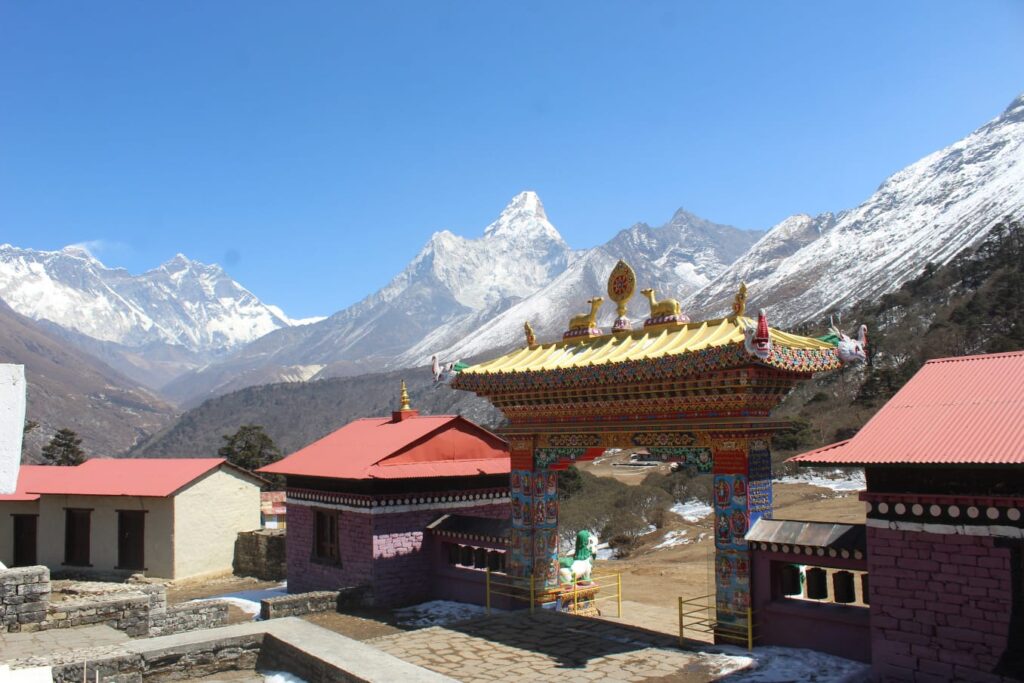
The most famous monastery on the route is Tengboche Monastery, located at 3,860 meters.
Surrounded by Everest, Ama Dablam, Lhotse, and Nuptse, it is considered the spiritual heart of the Khumbu region.
Visitors are welcome to observe:
- Morning and evening prayers
- Buddhist chanting
- Traditional ceremonies
- Ancient religious artwork
The peaceful atmosphere makes Tengboche one of the most memorable stops of the trek.
Pangboche Monastery
Located in Pangboche village, this monastery is believed to be one of the oldest in the Everest region. It has long served as an important center of worship for local Sherpa communities.
Smaller Monasteries
Several smaller monasteries and meditation centers can also be found in villages such as:
- Khumjung
- Namche Bazaar
- Phortse
These sacred places provide opportunities to learn about Himalayan Buddhism while enjoying moments of peace and reflection.
Major Villages on the Everest Base Camp Trek Route
Each village along the Everest Base Camp trail has its own unique character, history, and scenery. Together, they create a journey that blends culture, hospitality, and breathtaking mountain landscapes.
Lukla (2,860 m)
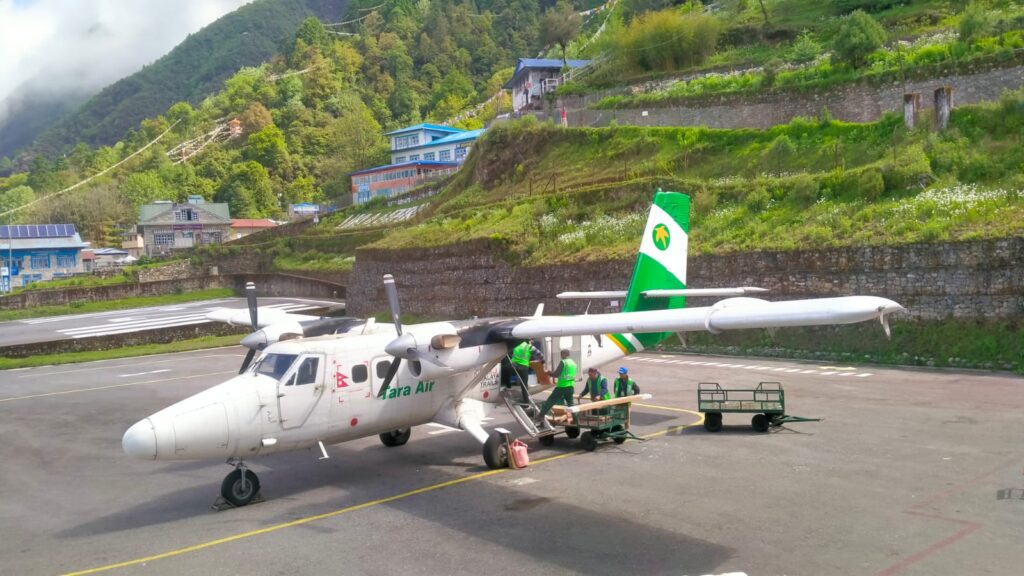
Known as the gateway to the Everest region, Lukla is where most trekkers begin and end their adventure. The town offers hotels, restaurants, trekking shops, and the famous Tenzing-Hillary Airport.
Phakding (2,610 m)
Situated beside the Dudh Koshi River, Phakding is a peaceful village surrounded by pine forests and suspension bridges. It provides a comfortable first overnight stop after arriving in Lukla.
Namche Bazaar (3,440 m)
Often called the Gateway to Everest, Namche Bazaar is the largest and busiest town in the Khumbu region. It features:
- Hotels and teahouses
- Bakeries
- Coffee shops
- Banks and ATMs
- Gear stores
- Museums
- Local markets
It also serves as the main acclimatization stop during the trek.
Tengboche (3,860 m)
Famous for its monastery, Tengboche offers spectacular mountain views and a peaceful atmosphere. It is one of the most photographed locations in the Everest region.
Dingboche (4,410 m)
Dingboche is a beautiful alpine village surrounded by stone walls, high mountains, and open valleys. Most trekkers spend an acclimatization day here before continuing higher.
Lobuche (4,910 m)
Located beside the Khumbu Glacier, Lobuche is one of the final overnight stops before reaching Everest Base Camp. The dramatic alpine scenery becomes increasingly rugged at this altitude.
Gorakshep (5,164 m)
Gorakshep is the highest permanent settlement on the classic Everest Base Camp Trek. It serves as the final base for hikes to both Everest Base Camp and Kala Patthar.
Namche Bazaar: The Gateway to Everest
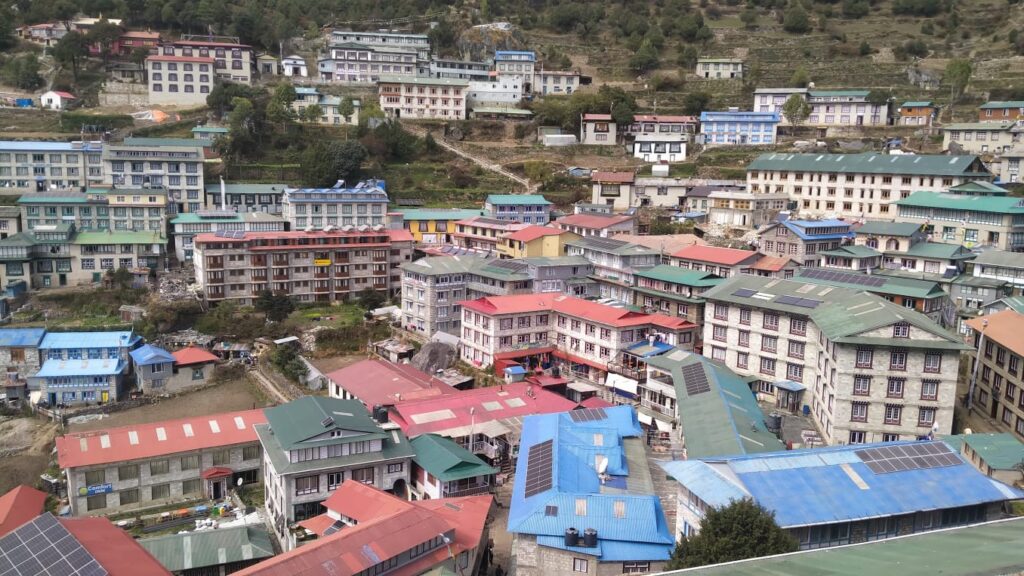
Situated at 3,440 meters, Namche Bazaar is the commercial, cultural, and logistical center of the Everest region. Nearly every trekker spends at least two nights here to acclimatize before continuing toward higher elevations.
The town is built into a natural amphitheater overlooking breathtaking Himalayan scenery. Beyond its strategic location, Namche offers an impressive range of services rarely found in remote mountain regions.
Visitors can enjoy:
- Mountain-view cafés
- Fresh bakeries
- Trekking equipment shops
- Small museums
- Local markets
- Banks and ATMs
- Internet cafés
- Pharmacy services
A short hike above the town leads to the famous Hotel Everest View, one of the best places to admire Mount Everest, Ama Dablam, and other surrounding peaks.
Namche Bazaar perfectly combines modern trekking facilities with traditional Sherpa culture, making it one of the most memorable stops on the Everest Base Camp Trek.
Tengboche Monastery: Spiritual Heart of Khumbu
Perched on a scenic ridge at 3,860 meters, Tengboche Monastery is the largest and most important Buddhist monastery in the Everest region.
Founded in 1916, the monastery has long served as the spiritual center of the Khumbu Valley. Although it has been rebuilt after damage from earthquakes and fire, it continues to preserve its religious significance and traditional architecture.
Surrounded by Everest, Ama Dablam, Lhotse, and Nuptse, the monastery offers one of the most breathtaking settings in the Himalayas.
Trekkers often attend the monks’ morning or evening prayer ceremonies, where rhythmic chanting, traditional instruments, and the scent of incense create a peaceful and unforgettable atmosphere.
During autumn, the monastery hosts the famous Mani Rimdu Festival, attracting pilgrims, Sherpa families, and visitors from around the world with its vibrant masked dances and sacred rituals.
Visiting Tengboche Monastery offers a deeper appreciation of the spiritual traditions that have shaped life in the Khumbu region for centuries.
Kala Patthar: The Best Everest Viewpoint
Although reaching Everest Base Camp (5,364 m) is the primary goal for most trekkers, many agree that the true highlight of the journey is standing atop Kala Patthar (5,545 m). This rocky viewpoint offers the most spectacular and unobstructed panorama of Mount Everest, making it one of the most photographed locations in Nepal.
Contrary to popular belief, Mount Everest is only partially visible from Everest Base Camp because the massive Nuptse ridge blocks much of the summit. Kala Patthar, however, rises above this obstruction and provides a breathtaking 360-degree Himalayan panorama.
Most trekkers begin the climb before sunrise. Hiking in the early morning allows visitors to witness the first golden rays of sunlight illuminating the summit of Everest—a magical sight that many describe as the defining moment of their Everest adventure.
From the summit of Kala Patthar, you can enjoy magnificent views of:
- Mount Everest (8,848.86 m)
- Lhotse (8,516 m)
- Nuptse (7,861 m)
- Pumori (7,161 m)
- Lingtren
- Khumbutse
- Changtse
- The Khumbu Glacier and Icefall
The climb from Gorakshep usually takes 2–3 hours, depending on your pace and weather conditions. Although the trail is steep and physically demanding due to the altitude, the incredible scenery makes every step worthwhile.
Because Kala Patthar is the highest point reached during the standard Everest Base Camp Trek, trekkers should walk slowly, stay hydrated, and dress warmly, especially during early morning hikes when temperatures are well below freezing.
For photographers, sunrise and sunset from Kala Patthar provide exceptional opportunities to capture Everest glowing in soft golden light, creating unforgettable memories of the Himalayas.
Common Challenges During the Trek
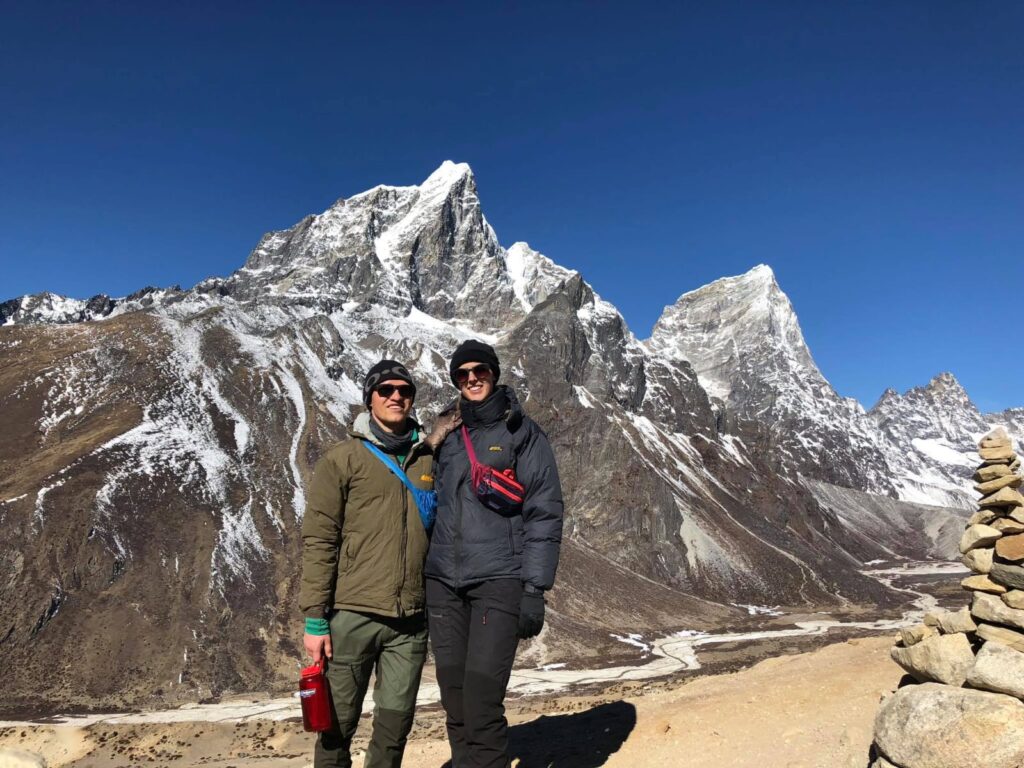
The Everest Base Camp Trek is one of the world’s greatest adventures, but it also presents several challenges that every trekker should understand before beginning the journey. Being well prepared allows you to enjoy the experience with greater confidence and safety.
High Altitude
The biggest challenge is trekking above 5,000 meters, where oxygen levels are significantly lower than at sea level. Many trekkers experience slower walking speeds, fatigue, and mild symptoms of altitude sickness.
Gradual acclimatization, adequate hydration, and maintaining a slow pace are the best ways to reduce altitude-related risks.
Long Walking Hours
Most trekking days involve 5 to 8 hours of hiking, while the journey to Everest Base Camp and Kala Patthar can require 7 to 9 hours of walking.
Although daily distances are not extremely long, the combination of elevation gain and uneven terrain makes each day physically demanding.
Weather Changes
Mountain weather can change rapidly.
Trekkers may experience:
- Bright sunshine
- Strong winds
- Rain
- Snowfall
- Freezing temperatures
Layered clothing allows you to adjust comfortably as weather conditions change throughout the day.
Flight Delays
Flights to and from Lukla are highly weather-dependent.
Cloud cover, fog, and strong winds may delay or cancel flights, particularly during the monsoon and winter seasons.
Adding one or two extra buffer days to your travel itinerary is highly recommended.
Basic Facilities at Higher Altitudes
As you climb higher, facilities become simpler.
You may notice:
- Smaller rooms
- Shared bathrooms
- Limited electricity
- Slower internet
- Higher food prices
- Cold temperatures inside teahouses
Understanding these conditions beforehand helps set realistic expectations.
Physical and Mental Fatigue
Walking for multiple days at high altitude requires both physical endurance and mental resilience.
Maintaining a positive attitude, taking regular breaks, eating nutritious meals, and sleeping well all contribute to a successful trek.
Safety Tips for Everest Base Camp Trekkers
Safety should always be your highest priority while trekking in the Himalayas. Following a few simple guidelines greatly increases your chances of completing the Everest Base Camp Trek comfortably and safely.
Walk Slowly
One of the most common mistakes is walking too fast during the first few days.
Maintain a comfortable pace and conserve your energy for higher elevations.
Stay Hydrated
Drink 3 to 4 liters of water every day.
Proper hydration helps your body acclimatize and reduces the risk of altitude sickness.
Never Ignore Altitude Symptoms
If you experience:
- Severe headache
- Vomiting
- Confusion
- Difficulty breathing while resting
Inform your guide immediately.
Descending to a lower altitude is the safest treatment for serious altitude sickness.
Wear Proper Clothing
Mountain temperatures change quickly.
Dress in layers and always carry:
- Waterproof jacket
- Warm fleece
- Down jacket
- Gloves
- Hat
- Sunglasses
Protect Yourself from the Sun
Ultraviolet radiation is much stronger at high altitude.
Use:
- SPF 50+ sunscreen
- Lip balm
- UV-protection sunglasses
- Wide-brimmed hat
Hire Experienced Professionals
A licensed guide improves both safety and the overall trekking experience.
Professional trekking companies such as Create Himalaya Adventure provide experienced guides who monitor your health, manage logistics, and assist during emergencies.
Purchase Comprehensive Insurance
Always travel with insurance covering:
- High-altitude trekking
- Emergency helicopter evacuation
- Medical treatment
- Trip interruption
Respect Nature and Local Culture
Help preserve the Everest region by:
- Carrying reusable water bottles
- Avoiding littering
- Respecting local customs
- Staying on marked trails
- Supporting locally owned businesses
Responsible trekking ensures that future generations can continue enjoying this remarkable destination.
Everest Base Camp Trek with Helicopter Return
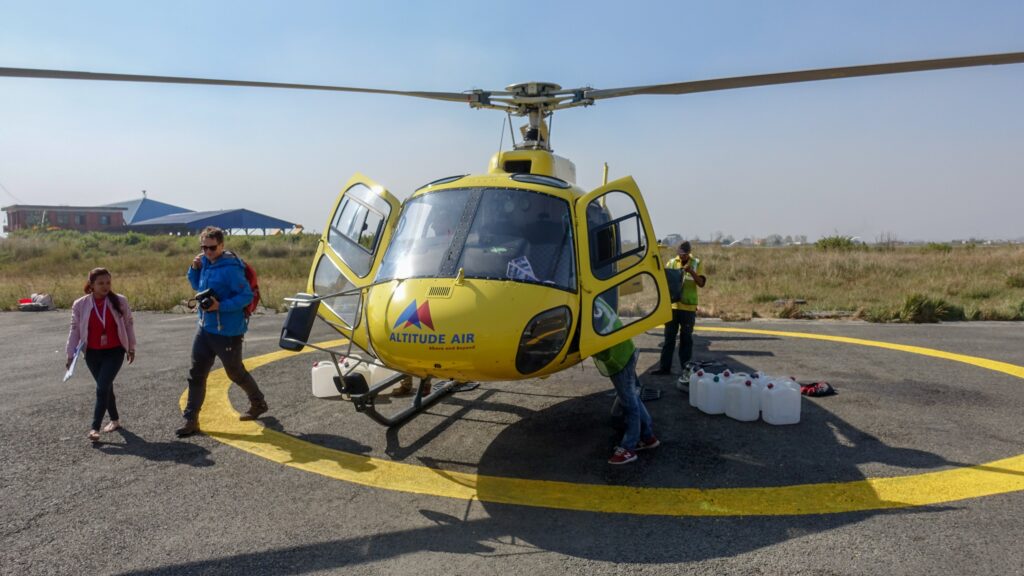
For trekkers who want to experience the classic trail while avoiding the long return hike, the Everest Base Camp Trek with Helicopter Return has become an increasingly popular option.
Instead of walking back to Lukla after reaching Everest Base Camp and Kala Patthar, you’ll board a scenic helicopter from Gorakshep (or occasionally Pheriche, depending on weather and operational requirements) and fly directly back to Kathmandu.
This option combines the adventure of trekking with the comfort of a spectacular helicopter flight over the Himalayas.
Advantages
- Save 3–4 days of trekking.
- Enjoy breathtaking aerial views of Everest, Ama Dablam, Lhotse, and the Khumbu Glacier.
- Reduce physical strain on the knees during the descent.
- Ideal for travelers with limited vacation time.
- Experience one of Nepal’s most scenic helicopter flights.
Although this option is more expensive than the standard itinerary, many trekkers consider the panoramic flight a once-in-a-lifetime experience.
Everest Base Camp Trek Without Flying to Lukla
Some travelers prefer to avoid the mountain flight to Lukla due to weather-related delays or a fear of flying. Fortunately, it is possible to reach the Everest region by combining road travel with trekking.
The most common alternative is to drive from Kathmandu to Thamdanda or Surke then begin trekking toward Lukla and continue along the traditional Everest Base Camp route.
Advantages
- No dependency on Lukla flights.
- Reduced risk of flight cancellations affecting your schedule.
- Opportunity to explore lesser-visited villages.
- Longer and more immersive trekking experience.
Considerations
- Adds several trekking days to the itinerary.
- Requires additional physical endurance.
- Road conditions may vary depending on the season.
This option is ideal for trekkers who prefer an overland approach and have extra time available.
Everest Base Camp Trek for Solo Travelers
The Everest Base Camp Trek is an excellent choice for solo travelers seeking adventure, personal growth, and breathtaking Himalayan scenery.
The trail is well established, with numerous teahouses, clear signposts, and fellow trekkers from around the world. Solo trekking offers flexibility, allowing you to set your own pace and fully immerse yourself in the mountain environment.
However, trekking with a licensed guide provides additional safety, local knowledge, and assistance in case of altitude sickness, changing weather, or logistical issues.
Whether traveling independently or with a guide, solo trekkers should:
- Follow a gradual acclimatization schedule.
- Inform someone of their itinerary.
- Carry sufficient cash and essential supplies.
- Purchase comprehensive travel insurance.
- Stay aware of weather conditions and personal health.
For many visitors, the Everest Base Camp Trek becomes not only a physical journey but also a rewarding personal achievement.
Everest Base Camp Trek for Families
The Everest Base Camp Trek can also be a memorable family adventure when carefully planned. Families with active teenagers and experienced hikers often complete the trek successfully by maintaining a slower pace and allowing extra acclimatization time.
Before planning a family trek, consider:
- The age and fitness of each family member.
- A flexible itinerary with additional rest days.
- Hiring an experienced guide familiar with family groups.
- Carrying an appropriate first-aid kit and medications.
- Ensuring everyone has suitable clothing and equipment.
The Everest region provides an excellent opportunity for families to experience Sherpa culture, learn about Himalayan nature, and create lifelong memories together.
Why Choose Create Himalaya Adventure for the Everest Base Camp Trek?
Your trekking experience depends not only on the destination but also on the team supporting your journey. With more than 19 years of experience in Nepal’s tourism industry, Create Himalaya Adventure has earned a reputation for delivering safe, personalized, and memorable Himalayan adventures.
When you trek with Create Himalaya Adventure, you benefit from:
- More than 19 years of trekking and mountaineering experience.
- Government-licensed, knowledgeable, and friendly local guides.
- Carefully designed itineraries with proper acclimatization.
- Transparent pricing with no hidden costs.
- Assistance with permits, transportation, and accommodation.
- High-quality trekking equipment available on request.
- 24/7 customer support before and during your trip.
- Strong commitment to responsible tourism and environmental conservation.
- Support for local communities by employing local guides, porters, and family-run teahouses.
- Flexible private and customized trekking itineraries to match your schedule and interests.
Whether you are traveling alone, with friends, or as a family, Create Himalaya Adventure is committed to making your Everest Base Camp Trek safe, enjoyable, and truly unforgettable.
Conclusion
The Everest Base Camp Trek is much more than a hike to a famous destination—it’s a journey through some of the world’s most spectacular mountain landscapes and one of Nepal’s richest cultural regions. From crossing suspension bridges above rushing rivers to standing at the foot of the world’s highest mountain, every day brings new challenges, breathtaking views, and unforgettable experiences.
Along the way, you’ll discover the warm hospitality of the Sherpa people, visit ancient Buddhist monasteries, admire towering Himalayan peaks, and gain a deep appreciation for the beauty and resilience of life in the high mountains.
Whether your goal is adventure, photography, cultural exploration, or personal achievement, the Everest Base Camp Trek offers an experience unlike any other. With proper preparation, a well-planned itinerary, and the support of an experienced local operator such as Create Himalaya Adventure, you can confidently embark on one of the world’s greatest trekking adventures and create memories that will last a lifetime.
FAQs
1. Can I see Mount Everest clearly from Everest Base Camp itself?
No. Much of Mount Everest is hidden by the Nuptse ridge from Base Camp. For the best panoramic view, hike to Kala Patthar.
2. Why is Kala Patthar considered a better viewpoint than Everest Base Camp?
Kala Patthar offers an unobstructed, panoramic view of Mount Everest along with several surrounding peaks.
3. How much should I budget for snacks and hot drinks during the trek?
Many trekkers budget an additional $10–$20 per day for tea, coffee, snacks, and bakery items, depending on personal preferences.
4. Are there bakeries and coffee shops along the trail?
Yes. Namche Bazaar is especially known for its bakeries and cafés, and a few other villages also offer fresh pastries and coffee.
5. Can I send postcards from the Everest region?
Yes. Postcards can be purchased and mailed from Namche Bazaar, making a memorable keepsake.
6. What souvenirs are worth buying in Namche Bazaar?
Popular souvenirs include handmade wool products, prayer flags, singing bowls, local handicrafts, trekking apparel, and Himalayan tea.
7. Is tipping expected for guides and porters?
Yes. Tipping is customary in Nepal and is a meaningful way to recognize good service at the end of your trek.
8. Can I recharge my power bank every day?
Most teahouses offer charging facilities for a fee, although availability may depend on electricity or solar power at higher elevations.
9. How early should I book my trek during peak season?
Booking 2–4 months in advance is recommended for spring and autumn to secure flights, guides, and preferred accommodations.
10. Are vegetarian and vegan meals available?
Yes. Most teahouses offer vegetarian dishes, and many can prepare vegan meals with advance notice.
11. Can I celebrate a birthday or special occasion during the trek?
Absolutely. Many teahouses and trekking companies can help arrange a simple celebration with cake or decorations where available.
12. What happens if I cannot continue trekking?
Your guide will assess the situation and arrange the safest option, which may include descending, transportation assistance, or helicopter evacuation if medically necessary.
13. Are there medical clinics between Lukla and Everest Base Camp?
Yes. Health posts and medical clinics are available in several villages, including Namche Bazaar and Pheriche.
14. Can I add extra acclimatization days to my itinerary?
Yes. Many trekking itineraries can be customized with additional acclimatization days for greater comfort and safety.
15. How do teahouses receive supplies in remote villages?
Most food, fuel, and equipment are transported by porters, yaks, dzopkyos (yak-cattle hybrids), and occasionally helicopters.
16. Can I buy or rent trekking gear in Namche Bazaar?
Yes. Namche Bazaar has several shops selling and renting trekking equipment, clothing, and accessories.
17. What local foods should I try during the trek?
Try Dal Bhat, Sherpa stew, Tibetan bread, momos, thukpa (noodle soup), and locally made yak cheese.
18. How crowded is the trail during spring and autumn?
These are the busiest seasons, especially around Namche Bazaar and Everest Base Camp, but the lively atmosphere is part of the experience.
19. What are the most common mistakes first-time trekkers make?
Walking too fast, drinking too little water, carrying unnecessary gear, and ignoring early signs of altitude sickness are common mistakes.
20. How can I make my trek more environmentally friendly?
Carry a reusable water bottle, avoid single-use plastics, dispose of waste responsibly, stay on marked trails, and support local businesses that practice sustainable tourism.
Ramchandra Lamichhane
Trekking Expert
No hidden fees • Local experts • Best price guarantee