
Khumbu Region, Nepal: Geography, Sherpa Culture and Mountains
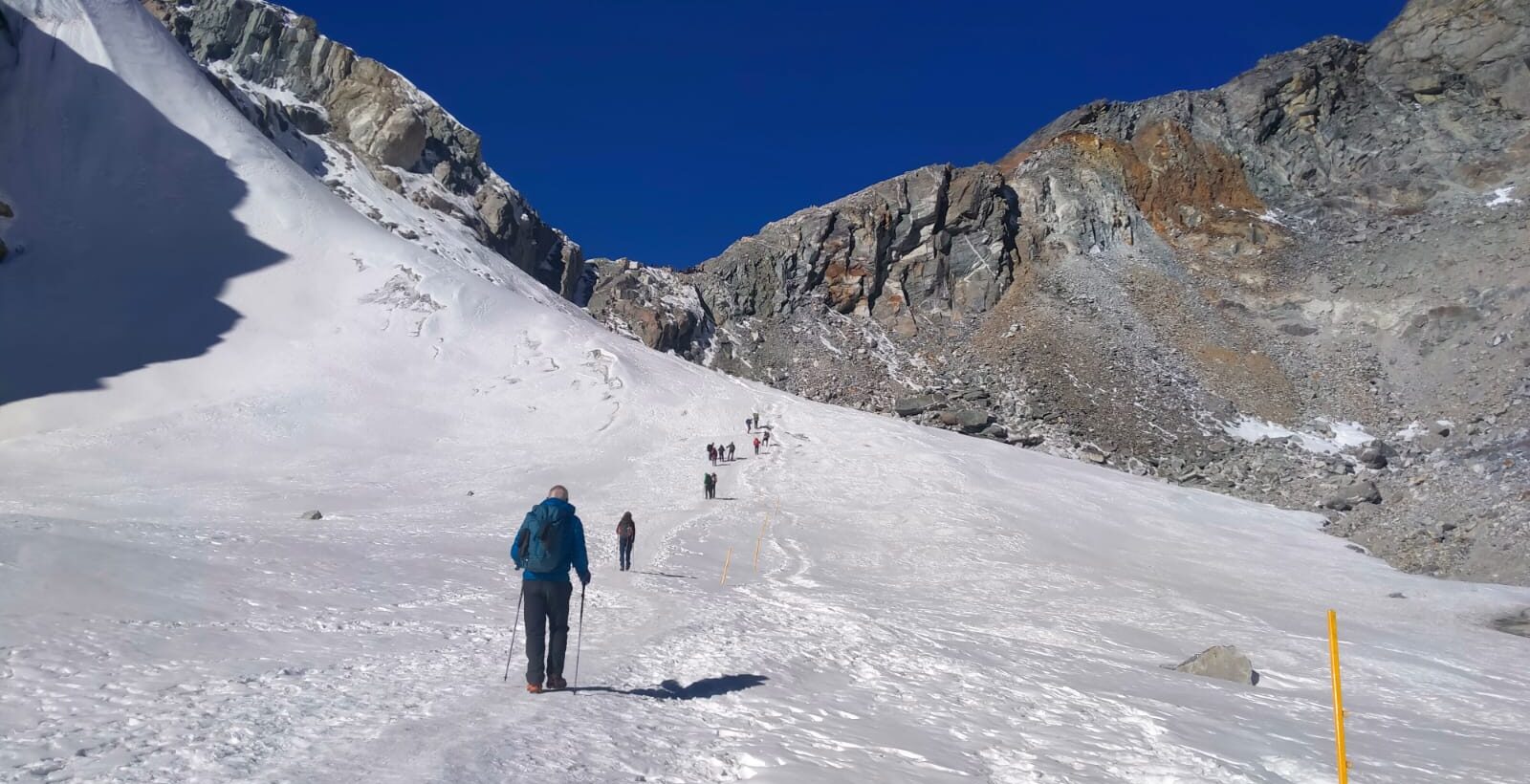
The Khumbu Region is one of the most extraordinary mountain landscapes in Nepal. Located in the northern part of Solukhumbu District, this high Himalayan region is famous for Mount Everest, traditional Sherpa villages, Buddhist monasteries, dramatic valleys and some of the world’s most celebrated trekking routes.
Khumbu is more than a gateway to Everest. It is a living Himalayan homeland where ancient traditions continue alongside a thriving trekking culture. Villages such as Namche Bazaar, Tengboche, Dingboche, Khumjung and Thame provide a fascinating glimpse into Sherpa life, while trails lead travelers toward Everest Base Camp, Gokyo Lakes and the high passes.
For trekkers, photographers, mountain lovers and cultural travelers, Khumbu offers an experience that combines adventure, spirituality, nature and local hospitality.
Where Is the Khumbu Region Located?
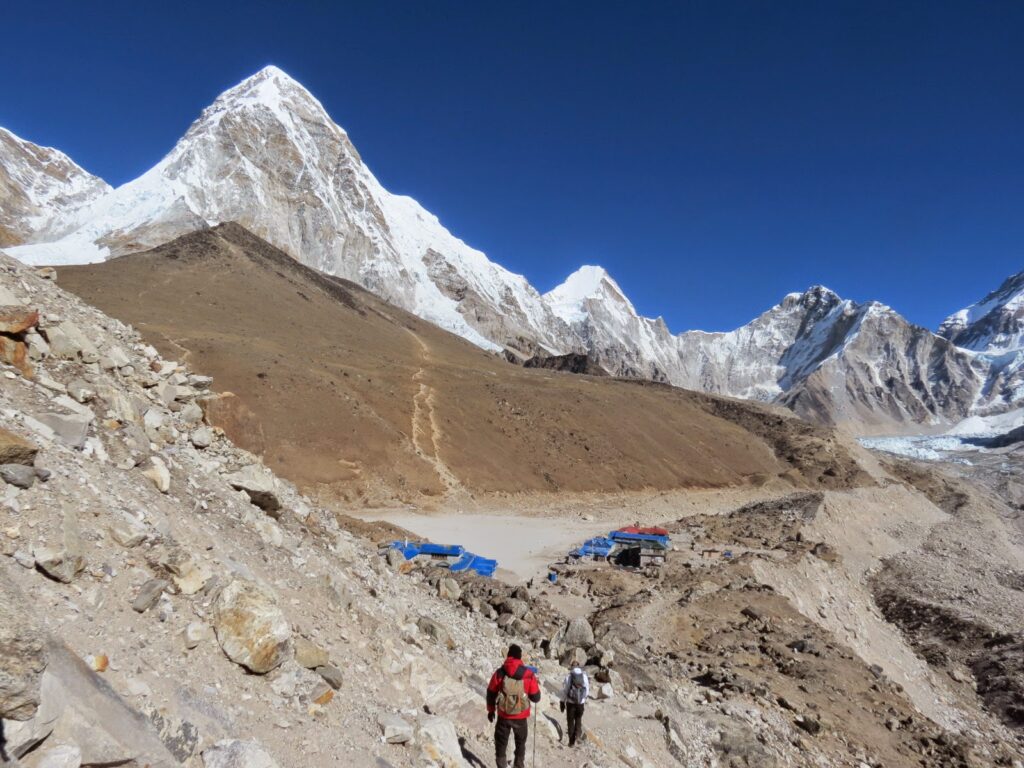
The Khumbu Region lies in northeastern Nepal within Solukhumbu District of Koshi Province. It occupies the southern slopes and valleys of the Everest Himalayas and extends toward the Nepal–China (Tibet) border in the north.
The region forms part of Sagarmatha National Park, a UNESCO World Heritage Site known for its exceptional mountain environment and Sherpa cultural heritage.
Geographically, the journey into Khumbu generally begins around the lower Solukhumbu area and follows the Dudh Koshi River valley toward the high mountains. For travelers heading to Everest, the most common gateway is Lukla. From Lukla, trekking routes pass through settlements such as Phakding and Monjo before reaching Namche Bazaar.
The landscape changes dramatically as the trail climbs higher. Green hills and forests gradually give way to alpine meadows, rocky terrain, glaciers and permanently snow-covered peaks.
Geography and Natural Landscape of Khumbu
Khumbu is characterized by steep Himalayan valleys, glacial rivers, rugged ridges and enormous mountain peaks. The terrain rises from relatively low mountain valleys to some of the highest elevations on Earth.
The Dudh Koshi Valley is one of the principal geographical corridors of the region. Several major trekking routes follow its tributaries and surrounding valleys toward Everest and other Himalayan destinations.
The northern Khumbu landscape includes some of Nepal’s most famous mountains, including Mount Everest, Lhotse, Nuptse, Ama Dablam, Cho Oyu and Pumori.
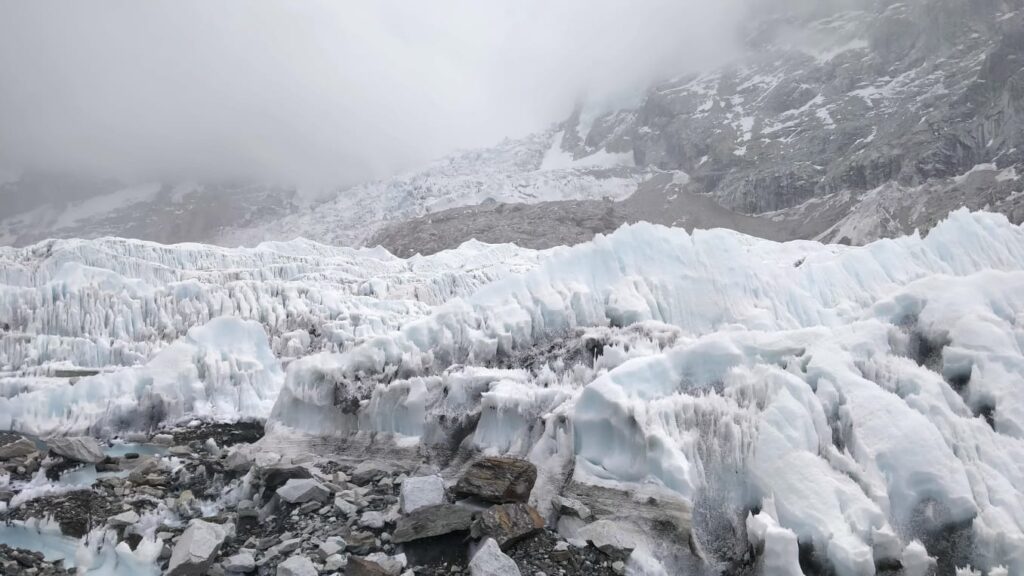
The region also contains major glaciers such as the Khumbu Glacier, which stretches below Everest and plays an important role in the geography of the Everest Base Camp route.
Altitude is one of Khumbu’s defining characteristics. Namche Bazaar sits at around 3,440 meters, while Everest Base Camp is approximately 5,364 meters above sea level. The terrain becomes increasingly demanding as trekkers move toward high passes and base camps.
Sherpa Culture and Traditional Way of Life
The Sherpa people are the cultural heart of Khumbu. Their history, language, religion and mountain traditions are deeply connected with the landscape.
Sherpa communities traditionally practiced agriculture, animal husbandry and trade. Potatoes, barley and other high-altitude crops have long been important to local livelihoods. Yak and other livestock are also closely associated with life in the high mountains.
Today, tourism provides a major source of income for many families. Sherpa guides, porters, lodge owners, cooks and other tourism professionals are recognized for their extensive knowledge of the mountains and warm hospitality.
Despite modernization, many villages continue to preserve traditional architecture, religious customs and community practices.
Visitors can experience this culture through village walks, monasteries, prayer wheels, mani walls, festivals and conversations with local people.
Buddhist Heritage and Monasteries
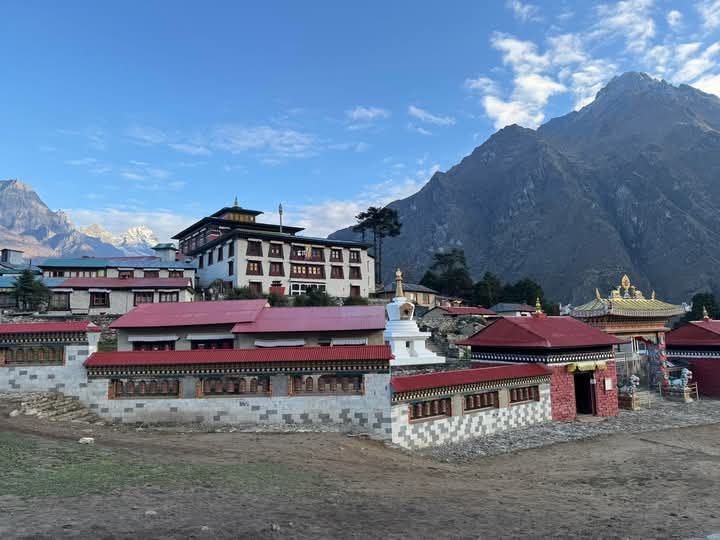
Buddhism is deeply woven into everyday life in Khumbu. Most Sherpa communities traditionally follow Tibetan Buddhism, particularly the Nyingma and related Himalayan Buddhist traditions.
Colorful prayer flags can be seen fluttering along mountain passes, bridges, villages and trails. Stone walls carved with Buddhist prayers, known as mani walls, are another distinctive feature of the region.
Among the best-known religious sites is Tengboche Monastery, situated on a hill overlooking spectacular Himalayan peaks. It is one of the most important monasteries in the Everest region and remains an important spiritual center for local communities.
Other monasteries and religious sites can be found around Khumjung, Pangboche, Thame and other settlements.
For travelers, these places offer more than sightseeing. They provide an opportunity to understand how spirituality and mountain life are closely connected in Khumbu.
Mountains and Famous Himalayan Landmarks
Khumbu is home to an extraordinary concentration of high mountains.
The most famous is Mount Everest (8,848.86 m), the world’s highest mountain above sea level. However, Everest is only one part of the region’s spectacular skyline.
Ama Dablam is particularly recognizable for its sharp, pyramid-shaped profile. Many trekkers consider its view from the surrounding trails one of the highlights of the Everest journey.
Lhotse, the world’s fourth-highest mountain, rises close to Everest, while Nuptse forms another dramatic wall near the Everest Base Camp area. Pumori, Cho Oyu and numerous other peaks add to the impressive scenery.
The mountains are not simply scenic attractions. They have shaped local livelihoods, tourism, spiritual beliefs and the identity of the entire region.
Popular Trekking Routes in Khumbu
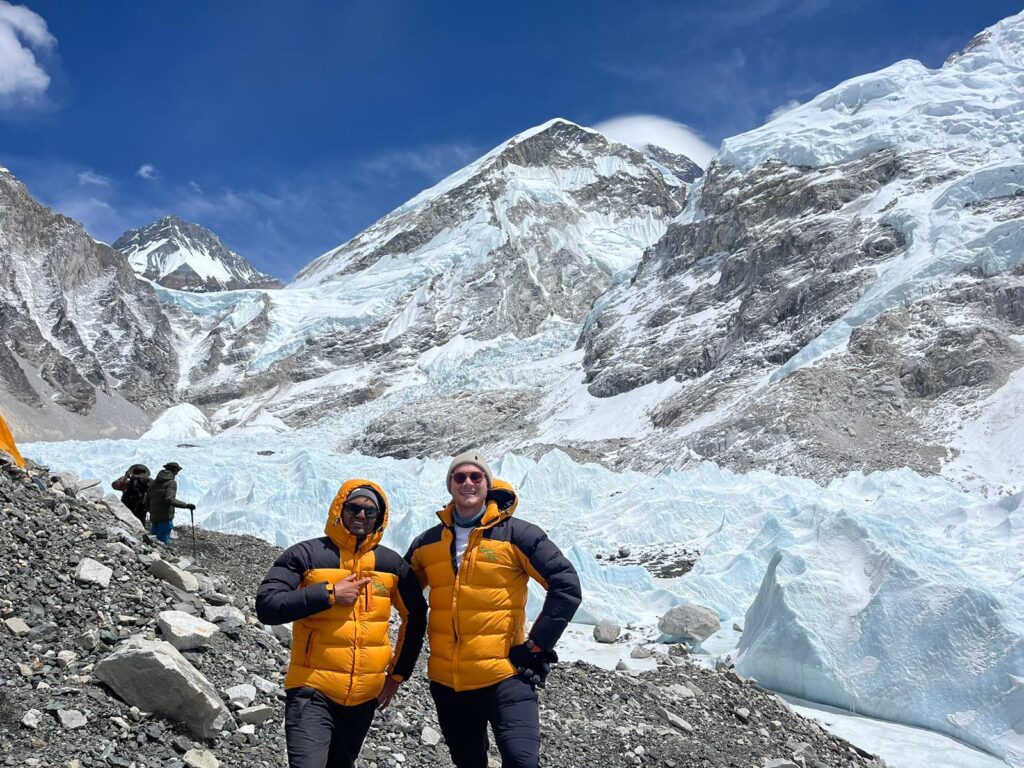
Khumbu is internationally recognized for its trekking routes. The Everest Base Camp Trek is the most famous, but travelers have many alternatives.
The classic Everest Base Camp route generally passes through Lukla, Phakding, Namche Bazaar, Tengboche, Dingboche and Lobuche before reaching Everest Base Camp.
The Gokyo Valley Trek takes travelers toward the turquoise Gokyo Lakes and Gokyo Ri, offering spectacular views of Everest and surrounding peaks from a different perspective.
For experienced trekkers, the Everest Three High Passes Trek crosses Kongma La, Cho La and Renjo La. It combines remote valleys, high mountain passes, glaciers and major landmarks of the Everest region.
Other routes include the Thame Valley Trek, Everest View Trek and shorter cultural journeys around Namche and Khumjung.
Each route offers a different way to experience the geography and culture of Khumbu.
Sagarmatha National Park and Wildlife
Much of Khumbu lies within Sagarmatha National Park, established to protect the region’s unique Himalayan ecosystem.
The park includes forests, alpine landscapes, glaciers and high mountain environments. Lower elevations contain forests of pine, fir, birch and rhododendron, while vegetation becomes increasingly sparse at higher altitudes.
Wildlife adapted to this challenging environment includes the Himalayan tahr, musk deer and various Himalayan bird species. The elusive snow leopard is also associated with the broader high-altitude ecosystem, although sightings are extremely rare.
The park’s importance extends beyond wildlife conservation. It protects a remarkable combination of natural landscapes and Sherpa cultural heritage.
Trekkers are therefore encouraged to respect local environmental rules, minimize waste and avoid damaging vegetation or religious sites.
Villages, Hospitality and Mountain Lifestyle
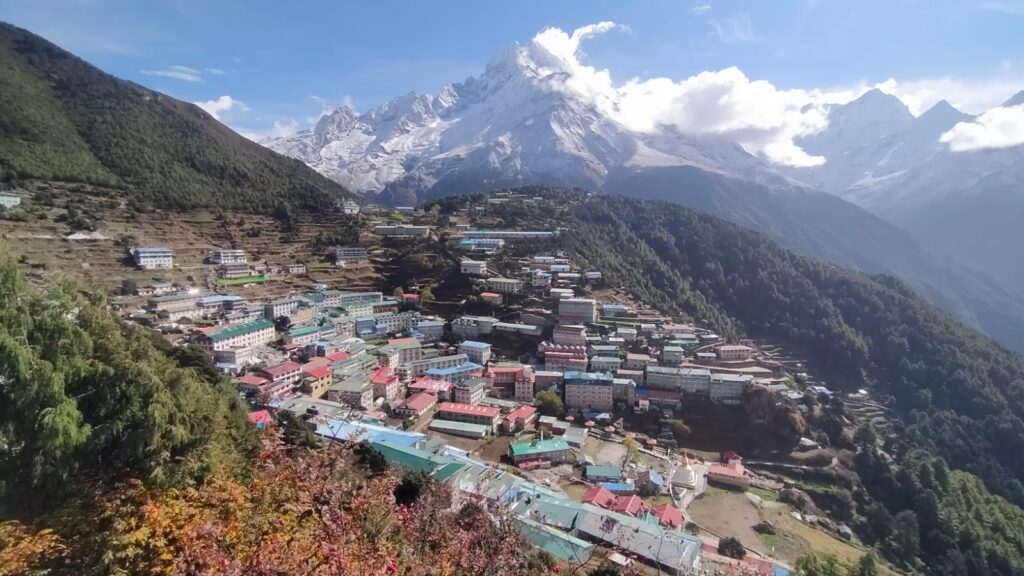
One of the most memorable aspects of Khumbu is its network of mountain villages.
Namche Bazaar is the region’s best-known commercial and tourism center. Built around a natural amphitheater, it provides shops, bakeries, cafés, trekking equipment stores, hotels and lodges.
Further along the trail, villages such as Khumjung, Tengboche, Pangboche, Dingboche and Lobuche provide accommodation and rest stops for trekkers.
Traditional stone houses, colorful roofs, prayer flags and mani walls give these settlements a distinctive Himalayan character.
Tea houses and lodges have become an important part of the trekking experience. Although facilities vary by altitude and location, visitors can generally expect simple rooms, dining areas and locally prepared meals.
The hospitality of local communities remains one of Khumbu’s greatest attractions.
Best Time to Explore Khumbu
The best seasons for trekking in Khumbu are generally spring and autumn.
Spring, particularly March through May, brings relatively stable trekking conditions, warmer daytime temperatures and blooming rhododendrons at lower elevations. Mountain views are often excellent, especially during clear mornings.
Autumn, especially October and November, is widely regarded as another excellent period. The monsoon has usually cleared the atmosphere, producing crisp mountain visibility.
Winter can provide exceptionally clear skies but brings very cold temperatures and possible snow at higher elevations. Some high-altitude lodges may also have limited services.
The summer monsoon brings rain to lower areas and can create clouds, slippery trails and transportation disruptions. However, some parts of the upper Khumbu landscape can still be visited depending on weather and route conditions.
Why Visit the Khumbu Region?
Khumbu offers an unusual combination of natural beauty and living culture. A journey here is not simply about reaching Everest Base Camp.
Travelers can walk through ancient Sherpa settlements, visit Buddhist monasteries, cross suspension bridges, observe traditional mountain life and stand beneath some of the world’s highest peaks.
The region also offers different experiences for different travelers. First-time trekkers can choose shorter Everest-view journeys, while experienced hikers can take on challenging high passes and remote valleys.
Most importantly, Khumbu provides an opportunity to travel through a landscape where mountains, spirituality, culture and community are inseparable.
For anyone planning an Everest adventure, understanding Khumbu makes the journey more meaningful. The mountains may be the headline attraction, but the people, villages, monasteries and traditions are what give the region its unique character.
Conclusion
The Khumbu Region of Nepal is one of the world’s great mountain destinations. From the lower Dudh Koshi valleys to the foot of Mount Everest, its landscape changes from lush forests to stark alpine wilderness. At the same time, Sherpa communities continue to maintain a rich cultural and Buddhist heritage that has developed alongside the Himalayan environment.
Whether your goal is Everest Base Camp, Gokyo Lakes, a high-pass adventure or a cultural journey through Sherpa villages, Khumbu offers far more than a trekking trail. It is a Himalayan region where extraordinary geography and centuries-old culture meet.
FAQs About the Khumbu Region
Is Khumbu the same as the Everest region in Nepal?
Khumbu is the main mountainous area surrounding Mount Everest in Solukhumbu District, while “Everest region” is a broader tourism term often used for destinations and trekking routes connected with Everest. In practical trekking language, the two terms are frequently used interchangeably.
What is the main entry point for traveling to Khumbu?
Lukla is the most popular entry point for visitors traveling to the upper Khumbu. Trekkers usually fly to Lukla and continue on foot toward Phakding, Namche Bazaar and the higher settlements. Some travelers also enter through longer overland and trekking routes from lower Solukhumbu.
How far is Khumbu from Kathmandu?
The distance depends on which part of Khumbu you are visiting. Lukla is considerably closer to Kathmandu by air, while destinations such as Namche Bazaar, Tengboche and Everest Base Camp require additional trekking. Therefore, there is no single road distance that represents the entire Khumbu Region.
What is Khumbu famous for besides Mount Everest?
Khumbu is famous for much more than Everest. Its attractions include Sherpa villages, Buddhist monasteries, Gokyo Lakes, high mountain passes, glaciers, traditional mountain settlements, dramatic Himalayan viewpoints and the distinctive landscapes of Sagarmatha National Park.
Can beginners travel to the Khumbu Region?
Yes. Beginners can visit Khumbu by choosing a suitable itinerary and allowing enough time for gradual altitude gain. Shorter routes around Lukla, Namche Bazaar and the Everest View area are generally more appropriate for newcomers than demanding high-pass or extended high-altitude treks.
Do I need a guide to travel in Khumbu?
A guide is not necessarily required for every traveler and every route, but hiring a licensed local guide is strongly recommended, particularly for longer or higher-altitude journeys. A knowledgeable guide can assist with navigation, acclimatization, weather changes, accommodation and local cultural etiquette.
What language is commonly spoken in the Khumbu area?
Sherpa communities traditionally speak Sherpa, while Nepali is also widely used. Because tourism is an important part of the local economy, English is commonly understood by people working in trekking lodges, guiding, transportation and tourism services.
What kind of food can travelers expect in Khumbu?
Tea houses generally serve a mixture of Nepali, Tibetan-influenced and international dishes. Dal bhat, noodles, soups, potatoes, Tibetan-style bread, momo, pasta and rice-based meals are commonly available. Food choices may become more limited as you travel toward higher and more remote settlements.
Is there electricity throughout the Khumbu Region?
Electricity is available in most established settlements, although reliability and charging facilities can vary with location and weather. Higher and more remote villages may have limited power, so carrying a power bank or spare batteries is useful during longer treks.
Can I use my mobile phone in Khumbu?
Mobile connectivity is available in many populated areas, but coverage is not continuous throughout the mountains. Signal strength can change because of terrain, altitude and weather. Trekkers should not depend entirely on mobile service for communication or emergency situations.
Is Wi-Fi available during an Everest trek?
Wi-Fi is available at many tea houses and lodges, especially in major settlements, but the quality and reliability can vary. Connections may become slower or less dependable at higher elevations. Internet access is best treated as a convenience rather than something guaranteed throughout the trek.
What should I pack specifically for a Khumbu Region trek?
Essential items include layered clothing, a warm insulating jacket, waterproof outerwear, comfortable trekking boots, thermal clothing, gloves, a warm hat, sunglasses, sunscreen, a water bottle and personal medication. The exact equipment should be adjusted according to the season, route and maximum altitude.
How cold does Khumbu Region get during trekking seasons?
Temperatures vary considerably with altitude and season. Lower villages can be relatively comfortable during sunny daytime hours, while nights become increasingly cold as you climb. Areas near Everest Base Camp and high passes can experience freezing temperatures even during the main trekking seasons.
What are the biggest challenges of traveling at high altitude in Khumbu Region?
Altitude is one of the principal challenges. Reduced oxygen levels can cause headaches, fatigue, dizziness, nausea and other symptoms of acute mountain sickness. Rapid elevation gain increases the risk, which is why a well-planned itinerary with appropriate acclimatization is important.
Are there ATMs in the Khumbu Region?
ATMs and banking facilities are available in some major settlements, particularly Namche Bazaar, but services may not always be reliable. It is advisable to carry enough Nepalese rupees for the trek because cash is still important for accommodation, food, charging, internet and other expenses in remote areas.
Can I visit Khumbu Region without trekking to Everest Base Camp?
Definitely. Reaching Everest Base Camp is only one of many ways to experience Khumbu. Travelers can choose cultural walks, Everest-view itineraries, monastery visits, shorter village treks, Gokyo journeys or other routes according to their available time and fitness.
What makes Namche Bazaar important to travelers in Khumbu Region?
Namche Bazaar is a major trading and tourism center in the upper Khumbu. It is an important resting point for trekkers, with accommodation, restaurants, shops, trekking supplies and communication facilities. Its location also makes it a natural place to spend time adjusting to increasing altitude.
Are there medical and emergency services in Khumbu Region?
Basic medical facilities are available in several settlements, but services become more limited at higher elevations. Trekkers should carry essential personal medication and appropriate travel insurance. In serious emergencies, evacuation arrangements may be required depending on weather, location and helicopter availability.
How can travelers support local communities in Khumbu Region?
Travelers can contribute to the local economy by staying in locally operated lodges, hiring licensed local guides and porters, purchasing locally made products and respecting community customs. Reducing plastic waste, carrying reusable bottles and following conservation rules also helps protect the region for future generations.
What is the best way to experience the real Khumbu Region beyond the main trekking trail?
Spend time in villages rather than treating them only as overnight stops. Visit monasteries respectfully, learn about Sherpa traditions, interact with local residents, observe traditional architecture and explore less-crowded trails when conditions permit. This provides a deeper understanding of Khumbu beyond its famous mountain views.
Ramchandra Lamichhane
Trekking Expert
No hidden fees • Local experts • Best price guarantee