
Best Time to Climb Island Peak
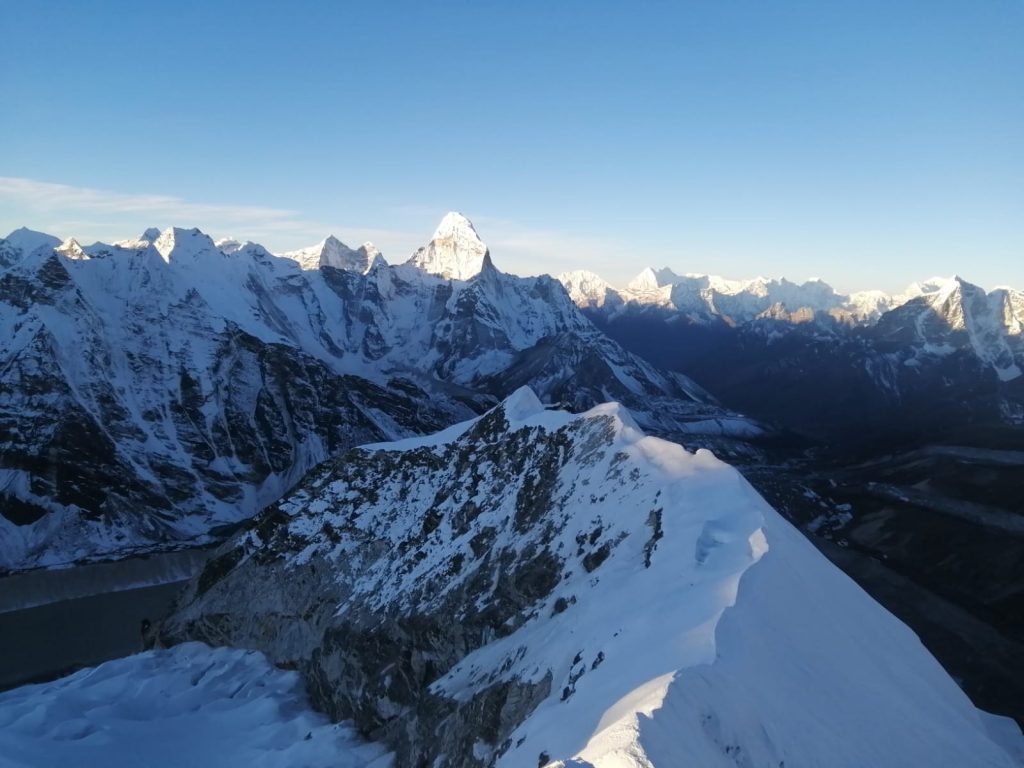
The best time to climb Island Peak (6,189 m / 20,305 ft) in Nepal is during spring (March to May) and autumn (September to November). These seasons generally provide more favourable weather, better mountain visibility and more suitable snow conditions for crossing the Imja Glacier and climbing the final summit headwall. April and October are particularly popular choices. Spring usually offers milder temperatures and longer daylight, while autumn is known for its clear skies, fresh post-monsoon atmosphere and excellent mountain views.
However, choosing the right month is about more than finding pleasant trekking weather. Island Peak is a technical Himalayan climbing destination where snowfall, wind speed, glacier conditions and overnight temperatures can directly affect summit opportunities. A route that is manageable in April may become considerably more challenging during the winter or monsoon. Climbers should therefore consider the conditions on the upper mountain, not just the weather in Kathmandu or the lower Khumbu Valley.
At Create Himalaya Adventure, we recommend planning Island Peak around seasonal mountain conditions, adequate acclimatization and a flexible summit schedule. This guide explains the four climbing seasons, compares spring and autumn, and examines what climbers can expect in every month of the year to help them select the most suitable time for their expedition.
Overview of Island Peak Climbing Seasons
Island Peak can be attempted throughout the year, but the experience changes considerably with the seasons. Spring and autumn are the main climbing periods, while winter and monsoon require greater flexibility and preparation.
Spring Season (March–May)
Spring is one of the most favourable periods for Island Peak climbing. Temperatures gradually become warmer after winter, daylight hours increase and the weather generally becomes more suitable for high-altitude activities. March is still cold at higher elevations, but April and early May usually provide better conditions for the summit attempt.
The approach through Namche Bazaar, Tengboche, Dingboche and Chhukung becomes increasingly lively as the main climbing season begins. Lower sections of the trail may display spring flowers, while the upper mountain retains its snow and ice. April is particularly attractive because it often offers a useful balance between daytime temperatures, snow conditions and climbing opportunities. May can also be suitable, although warmer daytime temperatures may soften snow and increase afternoon cloud development.
Summer/Monsoon Season (June–August)
Summer coincides with the Nepal monsoon, bringing frequent rainfall, thick clouds and unpredictable weather to much of the country. Although the Khumbu region receives less monsoon rainfall than many lower parts of Nepal, Island Peak is not completely protected from these seasonal conditions.
Cloud cover can reduce visibility, while fresh snowfall at higher elevations may affect the glacier route and summit headwall. Wet trails, flight disruptions to Lukla and limited weather windows can make expedition planning difficult. June, July and August are therefore generally not recommended for Island Peak climbing, particularly for inexperienced mountaineers.
Autumn Season (September–November)
Autumn is widely considered the most reliable climbing season in the Khumbu region. Following the monsoon, the atmosphere gradually becomes clearer, mountain views improve and the weather often settles into more predictable patterns. September marks the transition from the rainy season, while October and November generally offer better conditions for high-altitude climbing.
October is especially popular because of its clear skies, good visibility and relatively stable weather. November is colder, particularly at night and around the summit ridge, but can still provide excellent climbing opportunities. Autumn is also a busy trekking and climbing season, so advance arrangements for accommodation, guides and logistics are advisable.
Winter Season (December–February)
Winter brings some of the coldest conditions of the year to Island Peak. Temperatures at higher elevations can fall considerably below freezing, particularly during summit night. Strong winds, accumulated snowfall and icy sections on the climbing route can increase the technical difficulty.
The advantage of winter is that the Khumbu region is quieter, and clear days can provide impressive mountain scenery. Nevertheless, the cold, potential avalanche hazards and unpredictable snow conditions make winter climbing more suitable for experienced mountaineers with appropriate equipment and support.
Best Time to Climb Island Peak: Spring vs Autumn
Spring and autumn are the two main seasons for climbing Island Peak, but each offers a slightly different mountain experience. The better choice depends on your preference for temperature, visibility, snow conditions and available climbing dates.
Climbing factor Spring (March–May) Autumn (September–November)
- Weather Gradually warming Generally stable and clear
- Temperature Relatively warmer Cooler, especially in November
- Visibility Generally good Often excellent
- Snow conditions Can soften later in the day Varies with early-season snowfall
- Summit winds Variable Often favourable in October
- Trekking trails Spring flowers at lower elevations Dry and clear after monsoon
- Crowds Busy, especially April Busy, especially October
Best months April and early May October and early November
Both seasons offer good opportunities to reach the summit. Spring is attractive for climbers who prefer relatively warmer conditions, while autumn is particularly appealing to those who prioritise clear mountain views and settled weather. These are general seasonal patterns rather than guarantees; conditions can change quickly at 6,000 metres.
Island Peak Climbing Conditions Month by Month
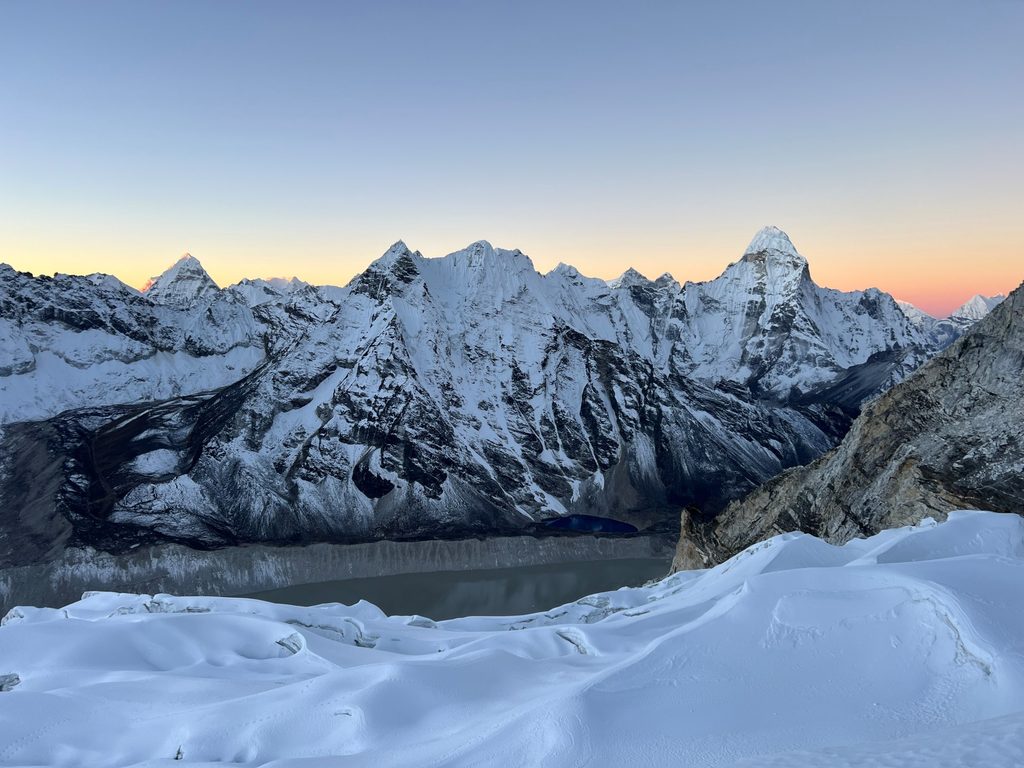
Choosing the correct month can make a noticeable difference to the difficulty of climbing Island Peak. The following breakdown explains the typical weather, snow conditions and climbing considerations throughout the year.
Island Peak Climbing in January
January is one of the coldest months for climbing Island Peak. Winter conditions dominate the upper Khumbu, with freezing nights, strong winds and potentially deep snow around the glacier and summit slopes. The headwall can become icy, making the use of crampons and fixed ropes more demanding.
Although clear weather is possible, extreme cold and changing snow conditions make January unsuitable for most first-time climbers. It is better considered by experienced mountaineers who have the necessary winter equipment and a flexible schedule.
Island Peak Climbing in February
February remains a cold winter month, although temperatures gradually begin to improve towards the end of the month. The upper mountain can still have substantial snow accumulation, and strong winds may affect the exposed summit ridge.
Climbing is possible with an experienced team, but the combination of cold temperatures, frozen terrain and limited weather windows makes February a challenging choice. Climbers should allow sufficient acclimatization and additional time for changing conditions.
Island Peak Climbing in March
March marks the beginning of the spring climbing season. Temperatures slowly rise, daylight increases and trekking conditions become more comfortable in the lower Khumbu. However, the upper mountain remains cold, and winter snow may still cover sections of the glacier and summit route.
The second half of March is generally more attractive than the beginning of the month. It can be a good option for climbers who prefer quieter trails before the main April rush, provided the summit route has suitable snow and weather conditions.
Island Peak Climbing in April
April is among the most popular months for Island Peak climbing. The weather is generally favourable, temperatures are more manageable than in winter, and the longer daylight hours provide useful flexibility for trekking and acclimatization.
The glacier route and final headwall can offer suitable climbing conditions, although snow quality changes according to recent snowfall, daytime temperatures and overnight freezing. April is also a busy period in the Everest region, so climbers should arrange their expedition well in advance. For many trekkers attempting their first Himalayan 6,000-metre peak, April is an excellent choice.
Island Peak Climbing in May
May is the final month of the main spring climbing season. Temperatures are generally warmer, and the lower Khumbu trails are pleasant for trekking. Early May can offer good summit opportunities, but conditions become less predictable as the monsoon approaches.
One important consideration is daytime snow softening. As temperatures rise, snow on exposed slopes can become softer, especially during the afternoon. Afternoon clouds and occasional pre-monsoon weather systems may also affect visibility. Climbers should aim for an early summit departure and maintain flexibility in their schedule.
Island Peak Climbing in June
June marks the beginning of the monsoon transition in Nepal. Rainfall becomes more frequent in many regions, and cloud cover can increase across the Khumbu. Although the upper mountain may remain cold, fresh snowfall can affect the glacier and climbing headwall.
Lukla flight delays and reduced visibility can also create logistical difficulties. June is generally not a recommended month for Island Peak, particularly for climbers with limited expedition experience.
Island Peak Climbing in July
July is normally one of the wettest months in Nepal. Frequent monsoon rainfall, heavy clouds and unstable weather make mountain climbing difficult. Although rainfall is generally lighter in the upper Khumbu than in lower Nepal, the mountain remains exposed to snowfall, wind and sudden weather changes.
Poor visibility can make route assessment more difficult, while wet and unstable snow may increase the hazards around glacier crossings. July is generally best avoided for Island Peak climbing.
Island Peak Climbing in August
August continues the monsoon season, although rainfall patterns can vary from year to year. The Khumbu landscape is green and beautiful, but the upper mountain can experience snowfall, cloud cover and unpredictable conditions.
The main concern is the lack of reliable summit weather windows. Cloud-covered peaks, flight disruptions and changing glacier conditions make August a less suitable period for a planned climbing expedition. Waiting until September generally provides a better opportunity.
Island Peak Climbing in September
September is a transition month between monsoon and autumn. The first part of September can still experience rainfall and cloudy conditions, while the latter part often brings improving visibility and more settled weather.
The exact timing of the monsoon withdrawal varies each year. Late September can offer promising climbing opportunities, but climbers should avoid assuming that the autumn weather has fully arrived at the beginning of the month.
Island Peak Climbing in October
October is widely regarded as one of the best months to climb Island Peak. The monsoon has usually withdrawn, the atmosphere becomes clearer and the Khumbu region often experiences stable autumn weather. Mountain visibility is particularly attractive, making this month excellent for panoramic views of Everest, Lhotse, Nuptse and Ama Dablam.
Temperatures are cooler than in spring, especially during the night, but daytime trekking conditions are generally comfortable. The combination of clearer skies, favourable weather patterns and good climbing opportunities makes October a leading choice for both experienced mountaineers and well-prepared beginners.
Island Peak Climbing in November
November is another good month for Island Peak climbing, particularly during its first half. The weather is often dry and clear, and the autumn atmosphere provides excellent visibility across the Everest region.
However, temperatures begin to drop as winter approaches. Summit nights become colder, and exposed sections of the mountain can experience stronger winds and icy conditions. Climbers attempting Island Peak in late November should carry appropriate cold-weather equipment and allow extra flexibility in their itinerary.
Island Peak Climbing in December
December marks the beginning of winter in the Khumbu region. The weather can be clear, but cold temperatures, snowfall and strong winds make climbing more demanding. Snow accumulation may affect the glacier route, and icy conditions can complicate the final ascent.
December is possible for experienced mountaineers with suitable winter equipment, but it is not the first choice for beginners. Those planning a winter expedition should arrange experienced climbing support and allow sufficient time for weather-related delays.
Island Peak Weather and Temperature by Season
Island Peak experiences substantial temperature differences between the lower trekking villages and the upper climbing sections. While daytime conditions in Namche Bazaar and Dingboche can be relatively pleasant during the main seasons, temperatures around High Camp, the glacier and summit ridge remain cold.
- Season Typical daytime conditions Night-time conditions General outlook
- Spring Mild to cool Freezing or below Good climbing opportunities
- Summer/Monsoon Variable, cloudy and wet Cold at altitude Generally unfavourable
- Autumn Pleasant in daytime Cold and below freezing at altitude Excellent climbing season
- Winter Very cold Extremely cold at high altitude Challenging
These are broad descriptions, not fixed temperature forecasts. Actual readings depend on altitude, wind, cloud cover and the weather system affecting the mountain. In particular, wind chill can make summit conditions feel considerably colder than the measured air temperature. Climbers should carry insulated clothing suitable for prolonged exposure to sub-zero temperatures.
Island Peak Snow Conditions and Glacier Difficulty Throughout the Year
Snow conditions are an important factor when deciding the best time to climb Island Peak. The final ascent involves crossing glacial terrain, negotiating crevasses and climbing a steep snow and ice headwall. The difficulty of these sections depends on the amount of accumulated snow, overnight freezing, daytime melting and the route established by the climbing team.
During spring, the glacier may provide firm snow conditions during the early morning, although warmer afternoons can soften exposed slopes. In autumn, conditions are often favourable following the monsoon, but early-season snowfall can change the character of the climbing route. Winter may bring deep snow, hard ice and challenging crevasse crossings, while monsoon snowfall and poor visibility can make route assessment difficult.
Importantly, there is no permanently fixed glacier route. Crevasses can widen, snow bridges can change and fixed ropes or ladders may need to be repositioned. The climbing team must assess the actual route before attempting the summit rather than relying entirely on descriptions from previous seasons.
Island Peak Summit Success: Which Month Offers the Best Opportunity?
The likelihood of reaching the Island Peak summit depends on several factors, including weather stability, snow conditions, climber fitness, acclimatization and the experience of the climbing team. October and April are generally among the most favourable months because they often provide better combinations of visibility, temperature and climbing conditions.
October is particularly attractive for climbers who want clear mountain views and a relatively stable autumn weather window. April is another excellent option, especially for those who prefer slightly warmer daytime conditions. Early May and early November can also provide good opportunities, although temperatures and weather patterns become increasingly variable towards the end of these months.
It is important to understand that favourable seasons do not guarantee a successful summit. High winds, sudden snowfall, poor visibility or deteriorating snow conditions can force a team to postpone or cancel its attempt. A well-planned itinerary should therefore include at least one additional day for weather flexibility whenever possible.
Spring vs Autumn: Which Season Is Better for Beginners?
Both spring and autumn are suitable seasons for beginners who have good physical fitness and are properly prepared for technical climbing. However, each season offers different advantages.
Spring is often a comfortable choice for first-time Himalayan climbers because daytime temperatures gradually become warmer and the longer daylight hours provide flexibility during the trekking approach. April is particularly recommended for those who want to combine an Everest region trek with their first 6,000-metre summit.
Autumn is equally attractive, especially October, when clear skies and excellent mountain visibility create favourable conditions for the expedition. However, colder nights mean climbers must be prepared with proper insulation and winter-rated sleeping equipment.
For beginners, our general recommendation is April or October. The final decision should depend on current mountain conditions, individual fitness, previous altitude experience and the availability of a suitable climbing team.
Can You Climb Island Peak During Winter?
Yes, Island Peak can be climbed during winter, but it is considerably more challenging than during the main spring and autumn seasons. December, January and February bring freezing temperatures, stronger winds and potentially heavy snow accumulation around the upper mountain.
The summit headwall may become icy, and deep snow can increase the physical effort required to reach the top. Climbers also need to consider frostbite, hypothermia and avalanche hazards when planning a winter ascent.
Winter climbing is generally more appropriate for experienced mountaineers who are comfortable with cold-weather equipment and changing snow conditions. Although a quieter trail and clear winter scenery may be appealing, beginners are usually better advised to choose spring or autumn.
Can You Climb Island Peak During the Monsoon?
Island Peak climbing during the monsoon is technically possible, but it is generally not recommended. June, July and August bring changing weather patterns, increased cloud cover and frequent precipitation across much of Nepal.
The upper Khumbu region may receive less rainfall than lower-altitude destinations, but this does not eliminate the risks associated with monsoon climbing. Fresh snowfall, poor visibility and unstable weather can affect glacier travel and the summit route. Flights between Kathmandu and Lukla may also experience delays or cancellations.
For most climbers, postponing the expedition until late September or October is a more sensible decision. These months generally provide better opportunities for mountain visibility and safer planning.
Best Month to Climb Island Peak for Clear Mountain Views
October is generally the best month for clear mountain views around Island Peak. Following the monsoon, the atmosphere often becomes cleaner, revealing impressive panoramas of Everest, Lhotse, Nuptse, Makalu and Ama Dablam.
April is another excellent month for mountain scenery, although afternoon clouds can sometimes develop as spring progresses. November also provides clear views, but colder temperatures and stronger winds may affect the experience at higher elevations.
For photography enthusiasts, October is an especially attractive choice. The combination of autumn light, snow-covered Himalayan peaks and clear skies creates excellent opportunities for mountain photography.
How Wind, Snowfall and Temperature Affect Island Peak Climbing
Three major weather factors influence the difficulty and safety of Island Peak climbing.
Wind: Strong winds can make the exposed summit ridge extremely uncomfortable and increase heat loss from the body. Even when the sky is clear, powerful gusts may make climbing unsafe. The summit attempt should only proceed when wind conditions are suitable.
Snowfall: Fresh snowfall can cover crevasses, alter the glacier route and make the final headwall more difficult to climb. Deep or unstable snow may increase the risk of slipping and avalanche activity. The climbing team should assess the snowpack before proceeding.
Temperature: Extremely low temperatures affect physical performance and increase the risk of frostbite. On the other hand, warmer daytime conditions can soften snow and create more difficult climbing conditions later in the day. This is why summit attempts usually begin during the early morning hours.
Understanding these factors is essential when selecting the climbing season. A favourable forecast is helpful, but climbers must also consider actual conditions on the mountain.
What Is the Best Time to Climb Island Peak for Beginners?
For beginners attempting their first Himalayan climbing expedition, April and October are our recommended months for Island Peak. Both months generally provide favourable seasonal conditions and good opportunities to combine trekking, acclimatization and technical climbing.
April offers relatively warmer conditions and increasing daylight, while October is known for clear skies and excellent visibility. Beginners should choose a month that allows enough time for acclimatization and practical training rather than selecting an itinerary based only on its duration.
Previous mountaineering experience is beneficial but not always essential. However, climbers should be physically fit, comfortable walking for several hours at altitude and willing to learn how to use crampons, ice axes, harnesses and fixed-rope systems.
A qualified climbing Sherpa can provide practical instruction and help assess the route, weather and individual readiness before the summit attempt.
Essential Preparation for Island Peak Climbing
Choosing the right season is only one part of a successful Island Peak expedition. Proper preparation is equally important, particularly for climbers attempting a technical mountain above 6,000 metres.
Here are some important preparation tips:
- Build physical fitness: Include regular hiking, running, cycling, stair climbing and strength training in your preparation. Focus on endurance rather than short bursts of speed.
- Gain high-altitude experience: Previous trekking experience above 4,000 metres is beneficial because it helps you understand how your body responds to altitude.
- Allow proper acclimatization: Follow a gradual ascent and include suitable acclimatization days around Namche Bazaar and Dingboche.
- Practise mountaineering skills: Learn to use crampons, ice axes, climbing harnesses, ascenders and fixed ropes before summit day.
- Prepare suitable clothing: Bring insulated jackets, thermal layers, waterproof outerwear, warm gloves, a suitable sleeping bag and mountaineering boots compatible with crampons.
- Arrange travel insurance: Choose insurance that specifically covers climbing to 6,189 metres, emergency helicopter evacuation and medical assistance.
- Choose an experienced climbing team: Travel with a reputable trekking and mountaineering company that provides experienced climbing Sherpas, appropriate equipment and emergency support.
- Keep your itinerary flexible: Include a weather contingency day and avoid planning international departure immediately after the expected summit date.
Remember that reaching the summit is not the only measure of a successful expedition. Making safe decisions, respecting mountain conditions and returning safely are equally important.
Final Recommendation
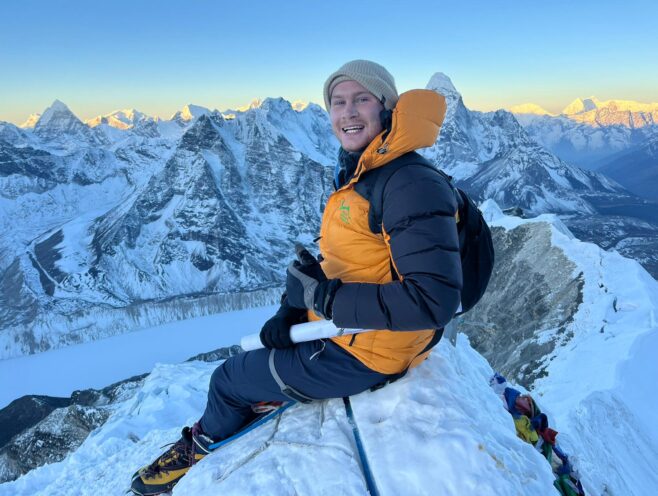
Island Peak is a rewarding Himalayan climbing destination, but selecting the right season can make a significant difference to your overall experience. Spring (March–May) and autumn (September–November) offer the most favourable general conditions, with April and October standing out as particularly attractive months.
If you prefer relatively warmer temperatures and longer daylight hours, consider April or early May. If clear skies, excellent mountain photography and stable autumn weather are your priorities, October is an excellent choice. November and late September can also work well when weather and snow conditions are favourable.
At Create Himalaya Adventure, we organise Island Peak climbing expeditions with experienced local climbing Sherpas, carefully planned acclimatization schedules and attention to changing mountain conditions. Whether you are preparing for your first 6,000-metre summit or adding another Himalayan peak to your mountaineering experience, our team can help you choose a suitable climbing window and prepare for the journey.
The Himalayas do not follow a fixed timetable. Choose your season carefully, prepare thoroughly and remain flexible when mountain conditions change.
Frequently Asked Questions
1. How many days does it take to climb Island Peak?
Most Island Peak expeditions take approximately 14–19 days, depending on the itinerary, acclimatization schedule, trekking route and summit preparation.
2. What is the best time to book an Island Peak climbing expedition?
Booking 3–6 months in advance is advisable, particularly for April and October departures. Early booking helps arrange climbing permits, experienced Sherpas, accommodation and logistics.
3. Do I need previous mountaineering experience to climb Island Peak?
Previous technical mountaineering experience is beneficial but not always compulsory. Climbers should be physically fit and willing to learn basic skills such as using crampons, ice axes, harnesses and fixed ropes.
4. How cold does it get at Island Peak Base Camp?
Temperatures at Base Camp can fall below freezing, particularly overnight. Conditions become colder at High Camp and during the summit attempt, so appropriate insulated clothing and sleeping equipment are essential.
5. What time does the Island Peak summit climb usually start?
The summit attempt generally begins around midnight or between 1:00 and 2:00 AM. An early departure allows climbers to take advantage of firmer snow and aim to descend before afternoon weather changes.
6. Is Island Peak climbing affected by global weather patterns?
Yes. Larger weather systems, including changes in the jet stream and regional precipitation patterns, can influence snowfall, wind and temperature around the mountain. Conditions should be checked shortly before the summit attempt.
7. Can I combine Island Peak climbing with Everest Base Camp?
Yes. Island Peak can be combined with the Everest Base Camp trek and Kala Patthar. This combination provides additional acclimatization and allows climbers to experience more of the Khumbu region.
8. Is Island Peak Base Camp open throughout the year?
There is no permanent commercial climbing season at Base Camp. Access depends on weather, snow conditions, expedition arrangements and the availability of climbing support.
9. Are climbing permits available throughout the year?
Island Peak climbing permits are issued through the relevant Nepalese authorities, subject to applicable seasonal rules and requirements. Climbers should arrange permits through a registered trekking or mountaineering agency before the expedition.
10. Does Island Peak climbing require a licensed climbing guide?
Climbers should arrange the expedition with qualified and experienced climbing support. A knowledgeable climbing Sherpa is particularly important for glacier navigation, fixed-rope sections and summit safety.
11. Can weather conditions change suddenly on Island Peak?
Yes. Weather at high altitude can change rapidly, even during the main climbing seasons. Sudden snowfall, strong winds and reduced visibility may require changes to the summit schedule.
12. Is it possible to postpone the summit attempt because of bad weather?
Yes. A summit attempt can be postponed if weather, wind, snowfall or snow stability creates unsafe conditions. A flexible itinerary with an additional contingency day is highly recommended.
13. What happens if I cannot reach the Island Peak summit?
Safety should always come before reaching the summit. If conditions become unsafe or a climber experiences altitude-related problems, the climbing team should descend to a safer elevation. Summit success is never guaranteed.
14. Is Island Peak climbing suitable for solo travellers?
Solo travellers can join an organised Island Peak expedition through a registered trekking agency. However, glacier travel and technical climbing should not be attempted alone.
15. How much does the season affect the cost of Island Peak climbing?
Costs can vary depending on the departure period, group size, accommodation, climbing support, permits and transportation. Peak spring and autumn departures may have greater demand for guides, accommodation and logistics.
16. Are flights to Lukla reliable during the Island Peak climbing season?
Flights operate during the main trekking seasons, but delays and cancellations can occur because of wind, visibility and changing weather. Travellers should include buffer days in their international flight schedule.
17. Can I rent mountaineering equipment in Kathmandu?
Yes. Essential equipment such as crampons, ice axes, climbing harnesses, helmets and sleeping bags can be rented or purchased in Kathmandu. Climbers should check the condition, fit and compatibility of equipment before departure.
18. Is altitude sickness a concern during Island Peak climbing?
Yes. The summit reaches 6,189 metres, where the risk of altitude-related illness is significant. Gradual acclimatization, recognising symptoms and descending when necessary are essential for safety.
19. What is the biggest challenge on summit day?
The combination of high altitude, physical exhaustion, glacier travel and the steep final headwall makes summit day particularly demanding. Climbers also need to manage cold temperatures and maintain concentration throughout the ascent and descent.
20. How early should I arrive in Nepal before starting Island Peak climbing?
Arriving at least one or two days before the expedition is useful for equipment checks, permit arrangements and preparation. More time may be necessary if you need to organise additional trekking or climbing activities.
Ramchandra Lamichhane
Trekking Expert
No hidden fees • Local experts • Best price guarantee