
Annapurna Base Camp vs Everest Base Camp: Which Trek Should You Choose?
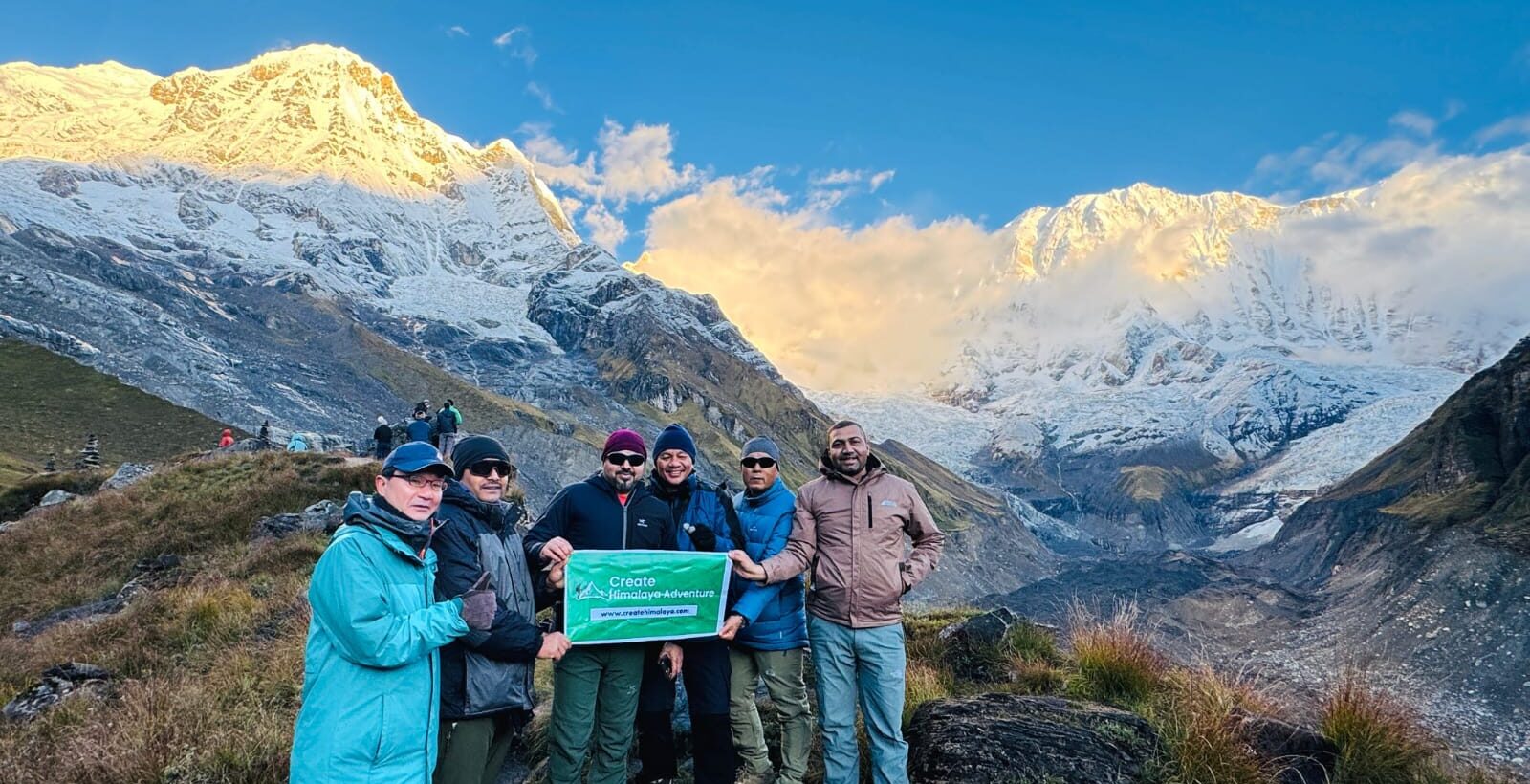
Annapurna Base Camp vs Everest Base Camp is one of the most common questions asked by travelers planning their first Himalayan trek in Nepal. Both routes take you deep into the Himalayas, both offer spectacular mountain scenery, and both are unforgettable teahouse adventures. But the experience on each trail is very different.
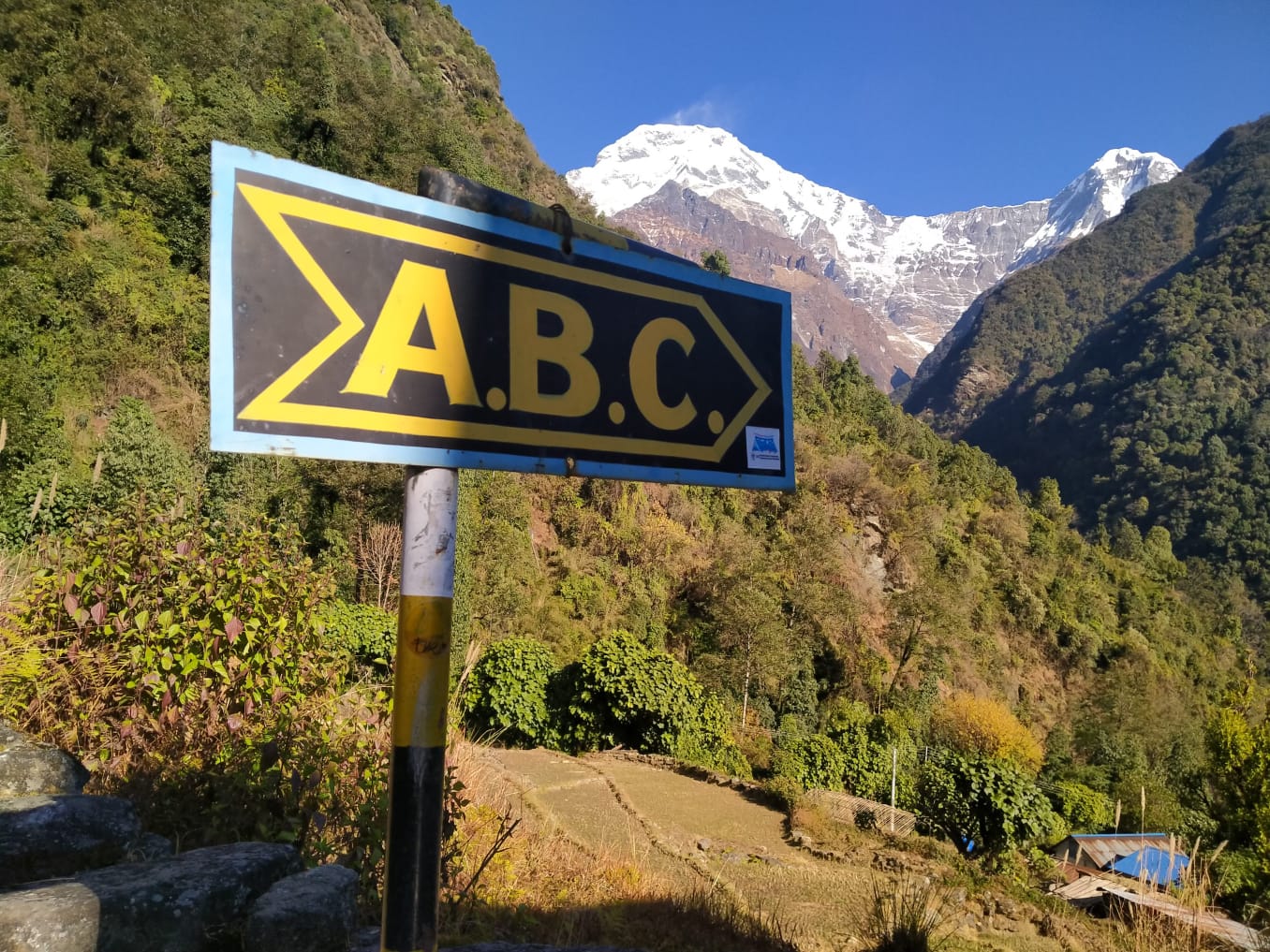
The Annapurna Base Camp Trek is shorter, reaches a lower altitude, and can be accessed by road from Pokhara. It is especially attractive to trekkers who have limited time and want a beautiful Himalayan experience without spending many days at extreme altitude.
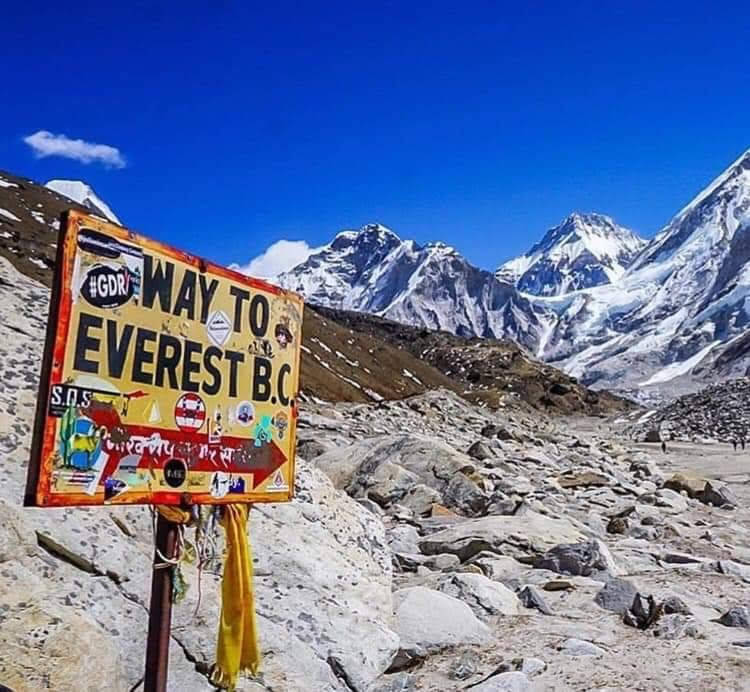
The Everest Base Camp Trek, on the other hand, is a longer and more demanding journey into the Khumbu region. It takes you through famous Sherpa villages, Buddhist monasteries, dramatic valleys, glaciers, and the legendary Everest landscape. The trek also reaches a much higher elevation, with Everest Base Camp at 5,364 meters and Kala Patthar at around 5,545 meters.
So, which one is better?
There is no universal answer. ABC is often the better choice for shorter holidays, first-time high-altitude trekkers, and travelers who prefer lower elevation. EBC is ideal for those who want the Everest experience, are prepared for higher altitude, and have enough time for a longer Himalayan adventure.
Annapurna Base Camp vs Everest Base Camp at a Glance
| Feature | Annapurna Base Camp Trek | Everest Base Camp Trek |
|---|---|---|
| Region | Annapurna | Everest/Khumbu |
| Base Camp elevation | 4,130 m | 5,364 m |
| Highest trekking point | 4,130 m | Kala Patthar, about 5,545 m |
| Typical trekking duration | 7–12 days | 12–16 days |
| Main access | Road from Pokhara | Flight to Lukla, generally |
| Difficulty | Moderate to challenging | Challenging |
| Main culture | Gurung and Magar | Sherpa and Tibetan Buddhist |
| Major mountains | Annapurna I, Machhapuchhre, Annapurna South, Hiunchuli | Everest, Lhotse, Nuptse, Ama Dablam, Pumori |
| Altitude concern | Moderate | Higher |
| Cost | Generally lower | Generally higher |
| Best for | Shorter Himalayan adventure | Classic Everest adventure |
The exact duration and route can vary according to the starting point, itinerary, road conditions, acclimatization schedule, and whether you add side trips.
Annapurna Base Camp Trek: What Makes It Special?
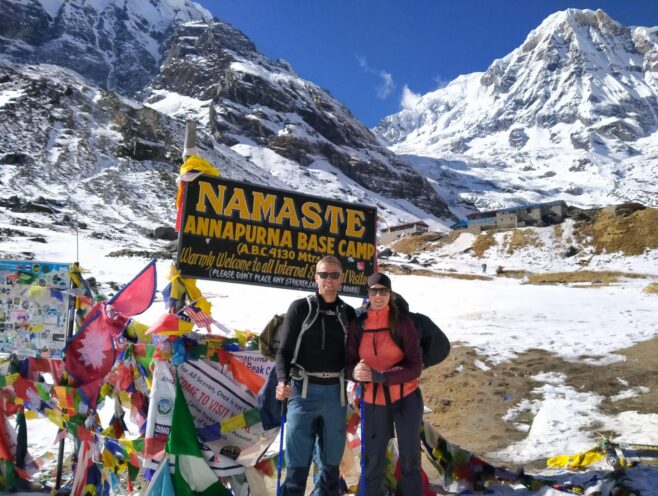
The Annapurna Base Camp Trek takes you into the heart of the Annapurna Sanctuary, a spectacular mountain amphitheater surrounded by some of Nepal’s most famous peaks.
The journey usually begins from the Pokhara area and passes through villages such as Ghandruk, Chhomrong, Sinuwa, Bamboo, Deurali, and Machhapuchhre Base Camp before reaching Annapurna Base Camp at 4,130 meters.
One of the biggest attractions of ABC is the changing landscape. You can begin among subtropical vegetation and terraced farmland and gradually walk through dense rhododendron forests, waterfalls, rocky trails, alpine landscapes, and finally a high mountain basin surrounded by enormous peaks.
The views of Annapurna I, Annapurna South, Machhapuchhre (Fishtail), Hiunchuli, and Gangapurna make this trek particularly rewarding. Unlike some high-altitude routes where the scenery becomes dominated by barren landscapes, ABC offers remarkable variety throughout the journey.
Another advantage is the accessibility of the Annapurna region. Depending on the itinerary, a vehicle can take trekkers relatively close to the trailhead from Pokhara. This reduces the need for domestic mountain flights and makes the trip easier to adjust if transportation or weather conditions change.
Everest Base Camp Trek: What Makes It Special?
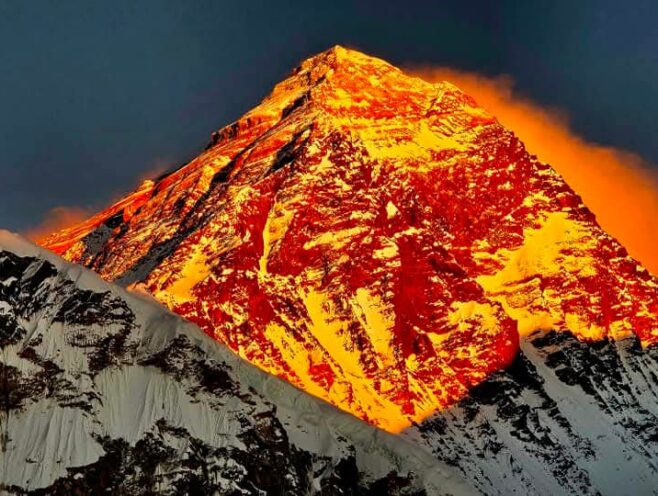
The Everest Base Camp Trek is one of the world’s most famous mountain journeys.
The standard route begins with a flight toward Lukla before following the Dudh Koshi Valley toward Namche Bazaar. From there, the trail continues through Tengboche, Dingboche, Lobuche, Gorak Shep, and finally Everest Base Camp.
The journey is about much more than standing at the base of Mount Everest.
You experience the distinctive culture of the Sherpa people, walk beneath enormous Himalayan peaks, visit Buddhist monasteries, cross suspension bridges, and pass through villages that have become legendary among trekkers and mountaineers.
Namche Bazaar is an important acclimatization and cultural stop. Tengboche Monastery provides one of the most memorable cultural experiences on the route, while the landscape becomes increasingly dramatic as you approach the Khumbu Glacier and Everest Base Camp.
For the best panoramic view of Everest itself, trekkers normally climb Kala Patthar rather than relying on the view from Everest Base Camp. From the viewpoint, the surrounding panorama includes Everest, Lhotse, Nuptse, Pumori, and other major Himalayan peaks.
Which Trek Is More Difficult: ABC or EBC?
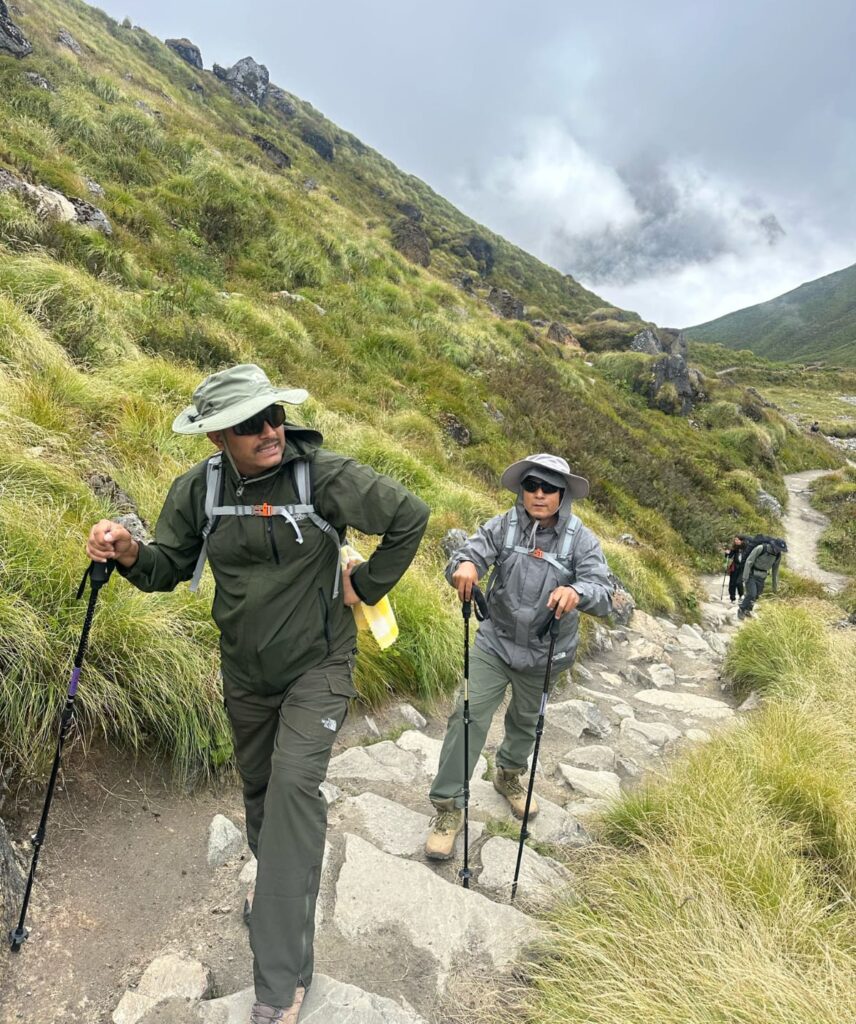
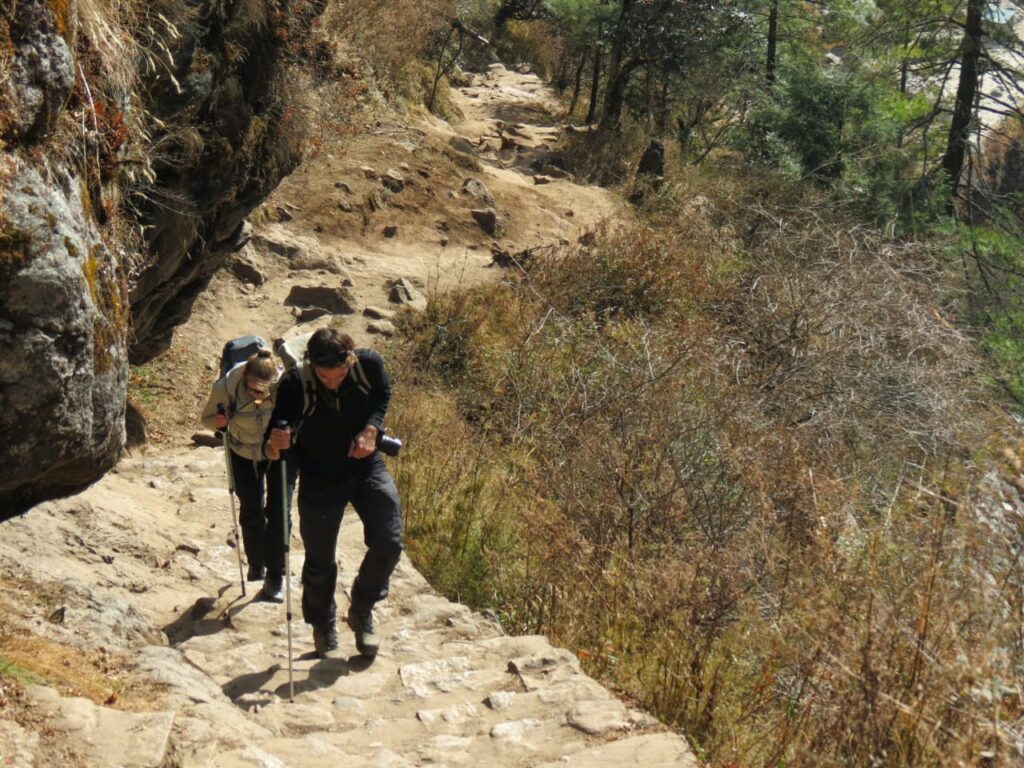
Everest Base Camp is generally more difficult overall, primarily because of altitude and the number of days spent at high elevation.
ABC reaches 4,130 meters, while EBC reaches 5,364 meters. The difference is more than 1,200 meters, and that makes a significant difference to how the body responds to the environment.
On EBC, trekkers spend several days at elevations above 4,000 meters. Proper acclimatization in places such as Namche Bazaar and Dingboche is therefore an important part of the itinerary.
ABC has a different type of physical challenge.
The Annapurna trail contains many stone staircases, particularly around Chhomrong and other sections of the route. These repeated ascents and descents can be hard on the legs and knees. However, the overall altitude exposure is considerably lower than on EBC.
In simple terms:
EBC is harder because of altitude and prolonged high-elevation trekking, while ABC can be harder on your legs because of steep stairs and frequent elevation changes. ABC vs EBC: Altitude Comparison
Altitude is perhaps the biggest difference between the two adventures.
Annapurna Base Camp
- Annapurna Base Camp: 4,130 m
- Machhapuchhre Base Camp: about 3,700 m
- Lower starting elevation depending on the trailhead
- Shorter exposure to extreme altitude
Everest Base Camp
- Lukla: about 2,846 m
- Namche Bazaar: about 3,440 m
- Dingboche: about 4,410 m
- Everest Base Camp: 5,364 m
- Kala Patthar: about 5,545 m
Because EBC goes considerably higher, altitude acclimatization becomes a central part of the journey. Trekkers should walk slowly, stay hydrated, eat properly, and never ignore symptoms of altitude sickness.
No matter which trek you choose, being physically fit does not completely eliminate altitude-related problems. A sensible itinerary and gradual ascent are more important than simply walking fast.
Which Trek Has Better Mountain Views?
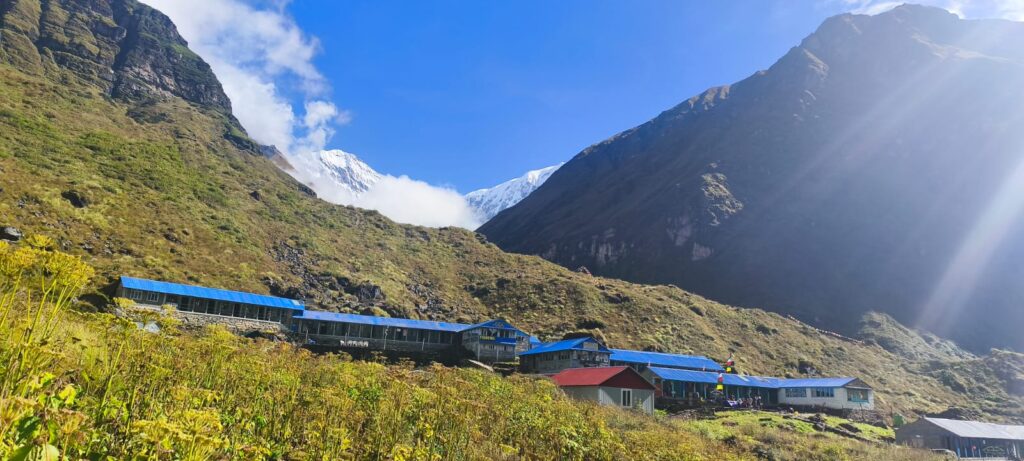
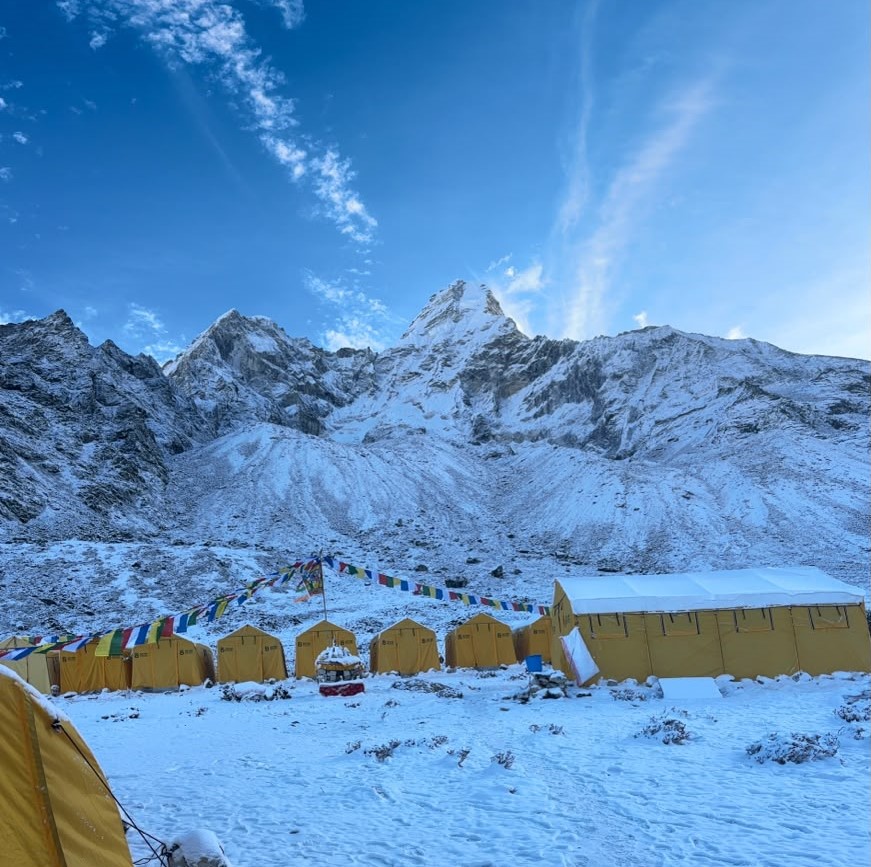
This is difficult to answer because the two treks offer different types of Himalayan scenery.
ABC provides close-up mountain views from within the Annapurna Sanctuary. The feeling is intimate: huge peaks rise around the trail and seem remarkably close.
You can see:
- Annapurna I
- Annapurna South
- Machhapuchhre
- Hiunchuli
- Gangapurna
- Annapurna III
EBC offers a broader high-Himalayan landscape. The route features:
- Mount Everest
- Lhotse
- Nuptse
- Ama Dablam
- Pumori
- Khumbu Glacier
- Khumbu Icefall
If your dream is to see Mount Everest and the famous Khumbu landscape, EBC has the advantage. If you want dramatic close-range mountain scenery combined with forests, waterfalls, and a high mountain sanctuary, ABC is difficult to beat.
ABC vs EBC: Culture and Villages
Culture is another major difference.
The Annapurna Base Camp route passes through communities strongly associated with Gurung and Magar traditions. Villages such as Ghandruk offer opportunities to experience local architecture, traditional hospitality, mountain lifestyles, and Himalayan culture.
The Everest route is closely connected with Sherpa culture and Tibetan Buddhist traditions. Prayer flags, mani walls, chortens, monasteries, and mountain villages are an important part of the journey.
Tengboche is one of the cultural highlights of the EBC trek, while Namche Bazaar provides a fascinating mixture of traditional Sherpa culture and modern trekking life.
If cultural immersion is your priority, neither trek is a wrong choice—they simply introduce you to different Himalayan communities.
Accommodation, Food, Wi-Fi and Charging
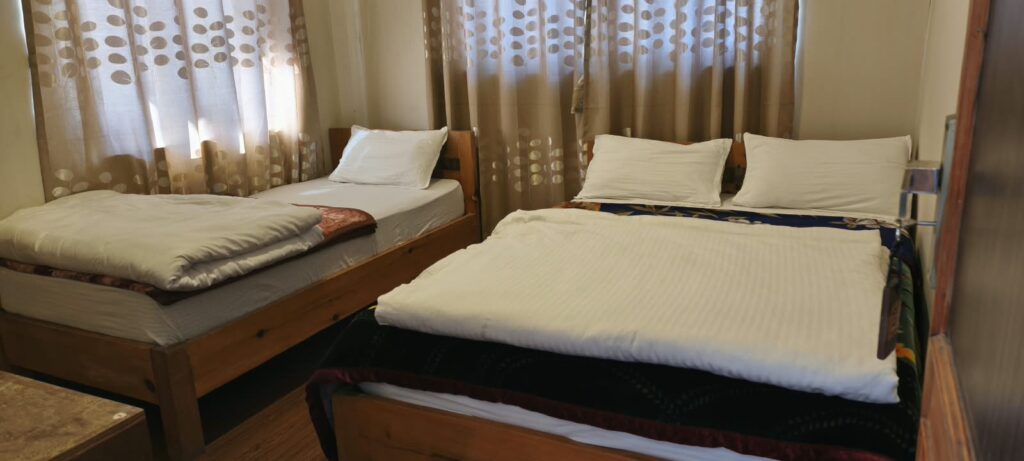
Both ABC and EBC are primarily teahouse treks.
Accommodation usually consists of simple private rooms with beds, mattresses, blankets, and shared bathroom facilities. Facilities become more basic as you gain altitude.
On ABC, lower villages such as Ghandruk and Chhomrong generally have more accommodation choices, while facilities become simpler around Deurali, Machhapuchhre Base Camp, and Annapurna Base Camp.
On EBC, Namche Bazaar has a wider range of lodges and services, but accommodation becomes increasingly basic and expensive as you move toward Lobuche and Gorak Shep.
Food on both routes commonly includes dal bhat, noodles, soups, momo, pasta, eggs, porridge, Tibetan bread, potatoes, and other simple trekking meals.
Wi-Fi and device charging are available at many lodges, but they may cost extra. Connectivity can become less reliable at higher elevations. On the EBC route, paid internet services are available in many teahouses, while the quality of connection varies by location and weather.
Which Trek Is More Affordable?
In most cases, Annapurna Base Camp is cheaper than Everest Base Camp.
The main reason is accessibility.
ABC does not normally require a Lukla flight. The trailhead can be reached by road from Pokhara, and the trekking itinerary is generally shorter.
EBC costs more because of the mountain flight, longer trekking period, additional accommodation and meals, and higher operating costs in the remote Khumbu region.
Your final cost will depend on group size, guide and porter arrangements, transportation, accommodation standards, permits, season, and optional services.
Rather than choosing a trekking company simply because it offers the lowest price, compare what is actually included. A reliable guide, appropriate acclimatization plan, transportation arrangements, insurance for staff, emergency support, and clear inclusions are important parts of a safe Himalayan trip.
Which Trek Is Better for a First-Time Trekker?
For many first-time Himalayan trekkers, Annapurna Base Camp is the easier introduction.
It is shorter, lower, easier to access from Pokhara, and offers a broad variety of scenery without requiring as many consecutive days at extreme altitude.
That does not mean ABC is an easy walk. You still need good preparation and should be comfortable walking several hours a day.
EBC is also suitable for first-time trekkers if they are physically prepared, have sufficient time, follow a properly designed itinerary, and understand the demands of high-altitude trekking.
If Everest has always been your dream, you do not necessarily need previous Himalayan trekking experience. Good preparation and a responsible itinerary can make a major difference.
Which Trek Should You Choose?
Choose Annapurna Base Camp if:
- You have around one week to twelve days available.
- You prefer a lower maximum altitude.
- You want to avoid mountain-flight dependency.
- You want a shorter Himalayan adventure.
- You enjoy forests, waterfalls, villages, and close mountain views.
- You are looking for a generally more affordable trek.
- You want to combine trekking with time in Pokhara.
Choose Everest Base Camp if:
- Reaching the base of Mount Everest is your main goal.
- You have around two weeks or more available.
- You are comfortable with higher altitude.
- You want to experience the Khumbu and Sherpa culture.
- You want to see Everest from Kala Patthar.
- You are interested in glaciers, monasteries, and high Himalayan landscapes.
- You are prepared for colder conditions and longer trekking days.
Annapurna Base Camp vs Everest Base Camp: Final Verdict
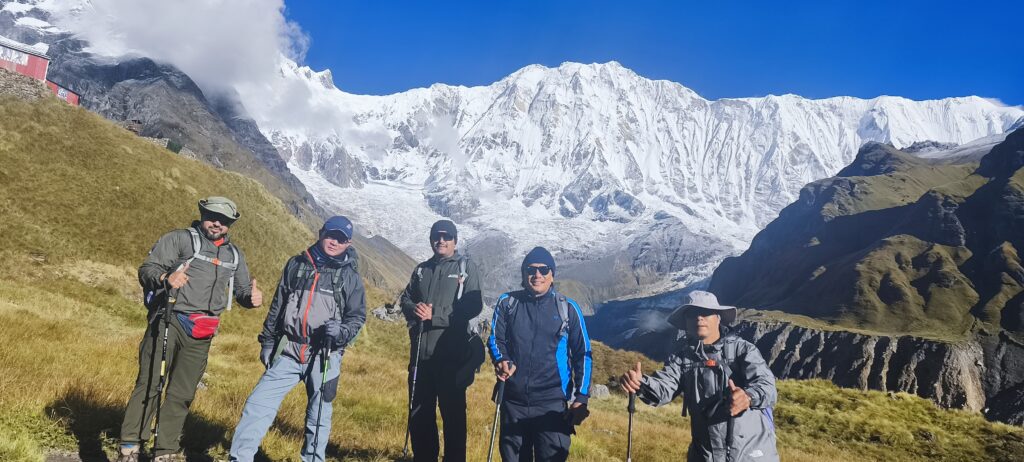
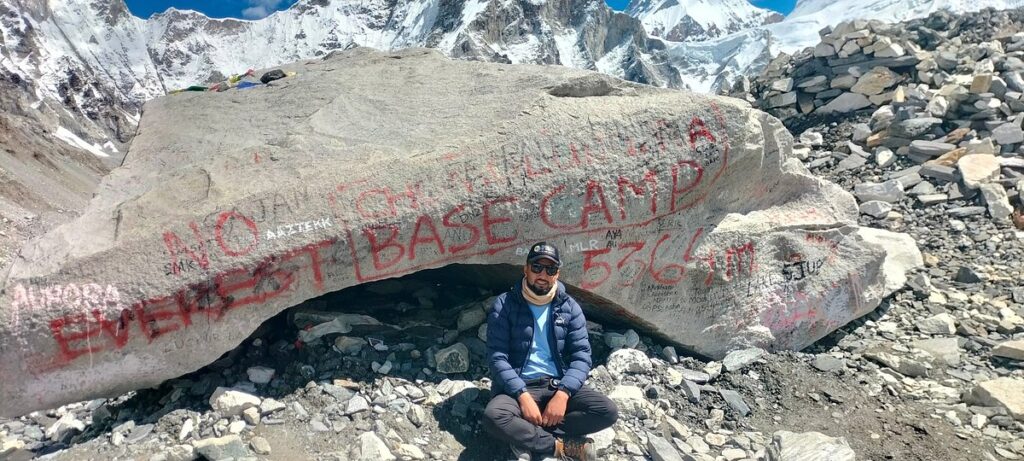
So, Annapurna Base Camp or Everest Base Camp—which is better?
The answer depends on the kind of adventure you want.
Choose ABC for accessibility, shorter duration, lower altitude, diverse landscapes, and close-up Annapurna scenery.
Choose EBC for the Everest experience, high-altitude adventure, Sherpa culture, glaciers, and the unforgettable Kala Patthar panorama.
ABC is not simply a shorter version of EBC, and EBC is not automatically better because it reaches a higher altitude. They are two completely different Himalayan experiences.
If you have limited time and want to experience the Himalayas without committing to a long high-altitude journey, Annapurna Base Camp is an excellent choice.
If standing beneath the world’s highest mountain has been on your bucket list for years, and you have enough time and preparation for a more demanding journey, Everest Base Camp is the natural choice.
At Create Himalaya Adventure, we can help you choose the route according to your available time, fitness, trekking experience, preferred scenery, and travel plans. We also customize itineraries for trekkers who want a shorter ABC itinerary, a classic EBC journey, or an extended adventure such as Gokyo Lakes, Cho La Pass, or other Himalayan routes.
The best trek is not necessarily the highest or longest one. The best trek is the one that matches your goals and allows you to enjoy the mountains at your own pace.
Final Recommendation from Create Himalaya Adventure
At Create Himalaya Adventure, we believe there is no single winner in the Annapurna Base Camp vs Everest Base Camp comparison. Both treks offer an incredible Himalayan experience, but the right choice depends on your time, interests, fitness, and the type of adventure you are looking for.
If you want a shorter and more accessible Himalayan trek with beautiful forests, traditional villages, waterfalls, and spectacular close-up mountain views, we recommend Annapurna Base Camp. It is an excellent option for travelers who want to experience the Himalayas without spending many days at very high altitude.
If your dream is to walk toward Mount Everest, experience the legendary Khumbu region, meet Sherpa communities, visit mountain monasteries, and stand at Everest Base Camp, then Everest Base Camp is the better choice. It requires more time and preparation, but the journey offers an unforgettable sense of achievement.
Whichever route you choose, we recommend taking enough time to acclimatize, walking at a comfortable pace, staying hydrated, and keeping your itinerary flexible for mountain weather and trail conditions.
As a Kathmandu-based local trekking company, Create Himalaya Adventure provides licensed local guides, porters, carefully planned itineraries, reliable transportation, and 24-hour support throughout your journey. We can also customize both ABC and EBC itineraries according to your available time, experience, and preferences.
Your Himalayan adventure should not be about simply reaching a destination. It should be about enjoying the journey, connecting with the mountains and local communities, and returning home with memories that last a lifetime.
Not sure whether Annapurna Base Camp or Everest Base Camp is right for you? Contact Create Himalaya Adventure and let our local trekking team help you choose the route that best matches your travel plans.
Frequently Asked Questions About Annapurna Base Camp vs Everest Base Camp
1. Can I do both Annapurna Base Camp and Everest Base Camp on the same trip to Nepal?
Yes, you can do both treks on the same trip, but you will need enough time. Since ABC and EBC are in different regions of Nepal, completing both requires separate trekking itineraries and transportation between the Annapurna and Everest regions. Most travelers should allow at least three weeks for a comfortable combined trip, depending on the chosen routes and rest days.
2. Which trek has better sunrise views, Annapurna Base Camp or Everest Base Camp?
Both offer spectacular sunrise experiences, but the views are different. At ABC, the surrounding Annapurna peaks and Machhapuchhre can glow dramatically in the morning light from within the sanctuary. On the Everest trek, Kala Patthar is the classic sunrise viewpoint, offering a panoramic view toward Everest, Lhotse, Nuptse, Pumori, and the surrounding Himalayan peaks. For a famous Everest sunrise, Kala Patthar has the advantage.
3. Which trek is better for someone with only 10 days in Nepal?
Annapurna Base Camp is generally more suitable if your entire Nepal holiday is limited to around 10 days. The trek can be completed in a shorter itinerary, and transportation from Pokhara to the trailhead is relatively straightforward. Everest Base Camp normally requires more time because of the longer approach, acclimatization requirements, and higher altitude. However, a carefully planned shorter EBC itinerary may be possible for experienced and well-prepared trekkers.
4. Do I need previous trekking experience for Annapurna Base Camp or Everest Base Camp?
Previous trekking experience is not essential for either route. However, both require reasonable fitness because you will walk several hours on consecutive days. EBC demands greater preparation because of the higher elevation and longer exposure to altitude. First-time trekkers should train before departure and follow a gradual itinerary rather than trying to rush the journey.
5. Can children or older travelers do the Annapurna Base Camp or Everest Base Camp trek?
Age alone does not determine whether someone can complete either trek. Fitness, previous experience, health, walking ability, and altitude tolerance are more important factors. ABC is often easier to adapt for families and older trekkers because it reaches a lower elevation. EBC can also be possible for older or younger travelers with suitable preparation, but the itinerary should include adequate acclimatization and should be planned according to individual ability.
6. What is the best season to trek to Annapurna Base Camp and Everest Base Camp?
The main trekking seasons for both routes are spring and autumn. March to May generally brings favorable trekking conditions, blooming rhododendrons, and good mountain views. September to November is another excellent period, with generally clear skies and stable conditions. December to February can be cold at higher elevations, while the monsoon months from June to August bring rain and cloud, particularly in the Annapurna region. Weather can change quickly in the mountains, so conditions should always be checked before departure.
7. Which trek has more stairs, ABC or EBC?
Annapurna Base Camp is particularly well known for its stone steps. Sections around Chhomrong and other villages involve repeated uphill and downhill staircases. These can make ABC surprisingly demanding on the legs despite its lower maximum elevation. EBC also has steep sections and many ups and downs, but the main challenge is generally the combination of long walking days and high altitude rather than continuous staircases.
8. Are guides and porters necessary for both Annapurna Base Camp and Everest Base Camp?
Having a licensed guide is strongly recommended for both treks. A guide can assist with navigation, accommodation, local communication, altitude awareness, weather-related decisions, and emergencies. A porter can carry your main luggage, allowing you to walk with a lighter daypack. For international trekkers unfamiliar with the region, professional local support can make the experience safer, more comfortable, and more enjoyable.
9. What permits are required for Annapurna Base Camp and Everest Base Camp?
The required permits depend on the route and current regulations. The Annapurna Base Camp route generally requires the Annapurna Conservation Area Permit (ACAP). The Everest Base Camp route requires the applicable local Khumbu permits and Sagarmatha National Park entry permit. Permit rules can change, so your trekking agency should verify the latest requirements before departure and arrange the necessary permits.
10. How reliable is mobile phone coverage on the ABC and EBC trails?
Mobile coverage varies considerably according to location and network provider. You can usually find connectivity in many villages, but coverage may become weak or unavailable in remote sections. The Everest region has mobile and internet services in many major settlements, while ABC also has connectivity in several villages. Trekkers should not depend entirely on mobile coverage for communication and should keep important information available offline.
11. Is electricity available for charging phones and cameras during both treks?
Yes, electricity is available in many teahouses on both routes, particularly in established villages. Charging may cost extra and availability can become more limited at higher elevations or during busy periods. It is a good idea to carry a power bank and spare batteries, especially if you use your phone or camera frequently for photography. Keeping electronic devices warm can also help preserve battery life in cold conditions.
12. What happens if I get sick or cannot continue during the trek?
Your guide will first assess the situation and help determine the safest option. Depending on the symptoms and location, you may need to rest, descend to a lower altitude, visit a local health post, or arrange evacuation. In serious cases, helicopter evacuation may be required. Trekkers should have suitable travel insurance that covers high-altitude trekking and emergency evacuation. Never continue climbing when experiencing serious symptoms of altitude sickness.
13. Can I customize the Annapurna Base Camp or Everest Base Camp itinerary?
Yes. Both treks can be customized according to your available time, fitness, trekking experience, and interests. For ABC, you can choose a shorter itinerary or add destinations such as Ghandruk, Poon Hill, or other Annapurna routes. For EBC, you can add acclimatization days, visit Gokyo Lakes, cross Cho La, or combine other Everest-region trails. A customized itinerary can also include additional days in Kathmandu or Pokhara.
14. Which trek is better for photography, ABC or EBC?
Both are excellent for photography, but they offer different subjects. ABC is particularly attractive for photographers who enjoy a combination of mountains, forests, waterfalls, villages, terraced landscapes, and close-up Himalayan scenery. EBC provides dramatic high-altitude landscapes, Sherpa villages, monasteries, suspension bridges, glaciers, prayer flags, and iconic views of Everest and surrounding peaks. If photographing Everest is your main goal, choose EBC; if you want greater landscape variety, ABC is an excellent option.
15. Can I add extra destinations or activities before or after either trek?
Yes. Nepal makes it easy to combine a Himalayan trek with other experiences. Before or after ABC, you can spend time exploring Pokhara, visit viewpoints, enjoy boating on Phewa Lake, or add another Annapurna-area trek. After EBC, you can explore Kathmandu Valley, visit cultural heritage sites, or extend your trip to destinations elsewhere in Nepal. Your itinerary can also be combined with activities such as sightseeing, wildlife tours, rafting, or other trekking routes.

Ramchandra Lamichhane
Trekking Expert
No hidden fees • Local experts • Best price guarantee