
Annapurna Base Camp Trek – Frequently Asked Questions
Introduction
Planning the Annapurna Base Camp Trek often comes with questions about difficulty, duration, altitude, permits, accommodation, weather, transportation, and the best time to visit. These frequently asked questions provide clear and practical information to help trekkers understand what to expect before starting the journey.
Whether you are a first-time trekker or have previous Himalayan trekking experience, these FAQs cover the essential details of the Annapurna Base Camp Trek. From preparation and packing to altitude and trail conditions, the answers below can help you plan your trek with greater confidence.
FAQs
1. What is the Annapurna Base Camp Trek?
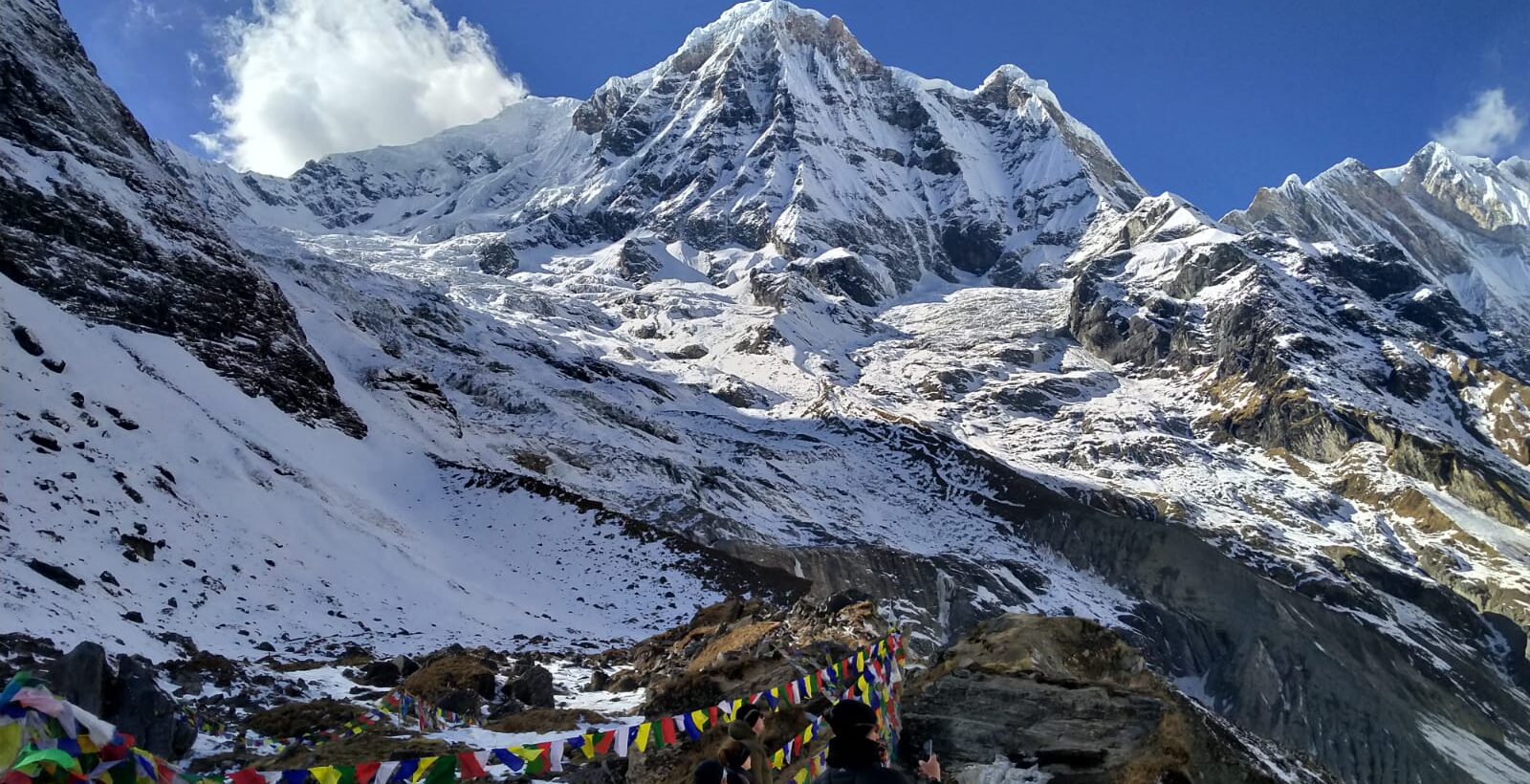
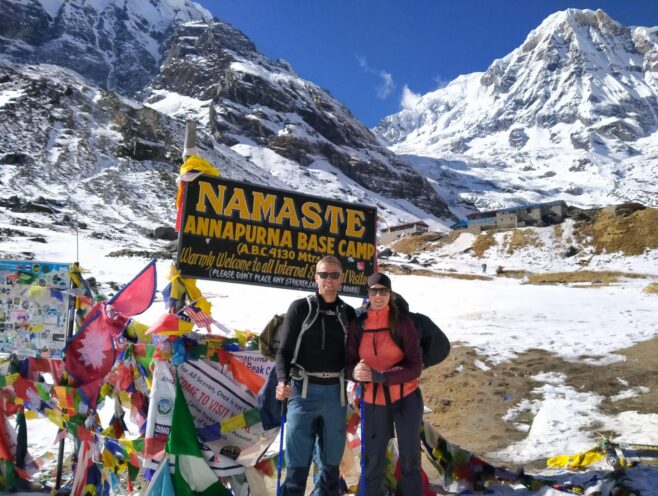
The Annapurna Base Camp Trek is a popular trekking route in Nepal that leads into the Annapurna Sanctuary. The trail passes through traditional mountain villages, forests, rivers, and high-altitude landscapes before reaching Annapurna Base Camp at around 4,130 meters.
2. How difficult is the Annapurna Base Camp Trek?
The Annapurna Base Camp Trek is generally considered moderate. The trail includes frequent uphill and downhill sections, stone steps, and several long walking days. Good physical preparation and a steady pace can make the trek manageable for most regular walkers.
3. How many days does the Annapurna Base Camp Trek take?
A typical Annapurna Base Camp Trek takes around 7 to 12 days, depending on the starting point, route, transportation, and pace. Longer itineraries may include Ghorepani and Poon Hill before continuing to ABC.
4. What is the highest altitude of the Annapurna Base Camp Trek?
The highest point of the trek is Annapurna Base Camp at approximately 4,130 meters (13,550 feet) above sea level.
5. Where does the Annapurna Base Camp Trek start?
The trek can start from several points depending on the itinerary. Pokhara is the main gateway, while road access can take trekkers toward trailheads such as Ghandruk, Siwai, or Jhinu Danda.
6. How do I get to Annapurna Base Camp from Kathmandu?
Most trekkers travel from Kathmandu to Pokhara by road or flight. From Pokhara, a vehicle is used to reach the selected trailhead before starting the trek on foot.
7. How far is Annapurna Base Camp from Pokhara?
The walking distance from the Pokhara area to Annapurna Base Camp varies according to the starting point and itinerary. A standard route through villages such as Ghandruk, Chhomrong, and Deurali covers several days of trekking.
8. What is the best time to trek to Annapurna Base Camp?
The main trekking seasons are spring and autumn. March to May generally offers good conditions, while September to November is another popular period for trekking. The Nepal Tourism Board lists March–May and September–November among the best periods for the Annapurna region.
9. Can I do the Annapurna Base Camp Trek in winter?
Yes, the trek is possible in winter, but temperatures can be very cold at higher elevations and snowfall can affect the trail. Trekkers should be prepared for freezing nights, changing weather, and potentially difficult trail conditions.
10. Can I trek to Annapurna Base Camp during the monsoon?
The trek is possible during the monsoon, but June to August usually brings more rain to the lower sections of the Annapurna region. Wet trails, slippery stone steps, clouds, and leeches can make the trek less comfortable.
11. Is Annapurna Base Camp Trek suitable for beginners?
Yes, the trek can be suitable for beginners who have reasonable fitness and prepare properly. You do not need technical climbing skills, but you should be comfortable walking uphill and downhill for several hours a day.
12. Do I need previous trekking experience for Annapurna Base Camp?
No. Previous trekking experience is helpful but not essential. Beginners can complete the trek by following a suitable itinerary, maintaining a comfortable pace, staying hydrated, and allowing enough time for rest.
13. Do I need a guide for the Annapurna Base Camp Trek?
Current Nepal Tourism Board rules list Poon Hill-ABC Trek among the Annapurna routes requiring a licensed trekking guide and agency-issued TIMS card. It is therefore important to check the current requirements and arrange the trek through a registered trekking agency.
14. Is a TIMS card required for Annapurna Base Camp Trek?
Yes. The Nepal Tourism Board currently lists Poon Hill-ABC Trek among the routes covered by the mandatory guide and TIMS provisions. TIMS is arranged through a registered trekking agency.
15. Do I need an Annapurna Conservation Area permit for ABC Trek?
Yes. Annapurna Base Camp lies inside the Annapurna Conservation Area, so trekkers need the applicable conservation-area entry permit. The Nepal Tourism Board currently lists the foreigner entry fee for the Annapurna Conservation Area as NPR 2,000 per person.
16. How much does the Annapurna Base Camp Trek cost?
The cost depends on the itinerary, accommodation, transportation, guide and porter services, permits, meals, and trek duration. A private trek usually costs more than joining a group, while additional services such as private transportation can increase the total price.
17. What is included in an Annapurna Base Camp Trek package?
A package commonly includes accommodation during the trek, meals, guide, required permits, TIMS, transportation according to the itinerary, and basic trekking arrangements. Exact inclusions vary between trekking agencies, so checking the package details before booking is important.
18. What is not included in the Annapurna Base Camp Trek package?
Common exclusions include international flights, Nepal visa fees, travel insurance, personal expenses, snacks and drinks, hot showers, Wi-Fi, personal trekking equipment, tips, and emergency evacuation costs.
19. Where do you stay during the Annapurna Base Camp Trek?
Most trekkers stay in teahouses or mountain lodges along the trail. Rooms are generally simple, while dining areas provide meals and a place to rest. The Annapurna region has a well-established network of lodges and teahouses.
20. What food is available on the Annapurna Base Camp Trek?
Teahouses generally serve meals such as dal bhat, noodles, rice, pasta, soup, potatoes, eggs, bread, and other simple dishes. Dal bhat is a common choice because it provides a filling meal during long trekking days.
21. Is there drinking water on the Annapurna Base Camp Trek?
Yes. Drinking water is available at teahouses, shops, and local sources along many parts of the trail. Trekkers should use properly treated, filtered, or boiled water. The Nepal Tourism Board recommends using bottled mineral water or boiled and filtered water while travelling in Nepal.
22. Is there Wi-Fi and mobile network coverage on the ABC Trek?
Wi-Fi and mobile coverage are available in some villages, but the connection can become weaker or unavailable as you move higher into the mountains. Connectivity depends on the location, weather, and local network conditions.
23. Is electricity available during the Annapurna Base Camp Trek?
Most teahouses have access to electricity, especially in larger villages. Charging facilities may be available for a small additional fee, while higher settlements can have limited power availability.
24. What should I pack for the Annapurna Base Camp Trek?
Essential items include trekking shoes, warm layers, a down jacket, waterproof jacket, thermal clothing, trekking trousers, gloves, hat, sunglasses, sunscreen, water bottle, headlamp, personal medication, basic toiletries, and a sleeping bag suitable for cold conditions.
25. Do I need a sleeping bag for Annapurna Base Camp?
A sleeping bag is recommended because temperatures can become very cold at higher elevations. Even when teahouses provide blankets, a good sleeping bag adds warmth and comfort during the colder nights.
26. How cold does it get at Annapurna Base Camp?
Temperatures at Annapurna Base Camp can fall below freezing, particularly during winter and overnight. Conditions vary by season and weather, so trekkers should carry suitable insulated clothing and a warm sleeping bag.
27. What is the trail like on the Annapurna Base Camp Trek?
The trail includes stone staircases, forest paths, suspension bridges, dirt trails, rocky sections, and mountain tracks. Lower sections pass through green hills and villages, while the landscape becomes more rugged as the route enters the Annapurna Sanctuary.
28. Is there a lot of uphill walking on the ABC Trek?
Yes. The route involves considerable uphill and downhill walking, particularly around Chhomrong and the approach to the Annapurna Sanctuary. The stone steps can be tiring, so maintaining a steady pace is important.
29. How many hours do you walk each day on the Annapurna Base Camp Trek?
Most trekking days involve around 4 to 7 hours of walking, depending on the route, altitude gain, trail conditions, and individual pace. Some days may be shorter, while the longer sections can require more walking.
30. Is altitude sickness a concern on the Annapurna Base Camp Trek?
Altitude sickness can occur because the trail reaches more than 4,000 meters. Common symptoms can include headache, dizziness, nausea, unusual tiredness, and difficulty sleeping. Trekking gradually, staying hydrated, resting when needed, and taking symptoms seriously are important.
31. Is acclimatization necessary for Annapurna Base Camp?
A separate acclimatization day is not included in every ABC itinerary because the trek can be completed within a relatively short period. However, a slower itinerary with adequate rest can help your body adjust to increasing altitude.
32. Can I trek to Annapurna Base Camp without a porter?
It may be possible depending on your arrangements and current trekking regulations, but carrying your own backpack adds physical demand. A porter can carry most of your heavier gear and allow you to walk with a lighter daypack.
33. Can children do the Annapurna Base Camp Trek?
Older children who are physically prepared may be able to complete the trek, but the suitability depends on age, fitness, previous hiking experience, itinerary, and altitude tolerance. Families should choose a slower itinerary and consult a qualified professional about individual concerns.
34. Is Annapurna Base Camp Trek safe?
The trek is a well-established route, but mountain trekking always involves risks such as altitude-related illness, changing weather, slippery trails, injuries, and delays. Following local guidance, using an appropriate itinerary, carrying travel insurance, and staying with your guide can help reduce avoidable risks.
35. Can I combine Poon Hill with Annapurna Base Camp?
Yes. Poon Hill and Annapurna Base Camp are commonly combined into one itinerary. This route allows trekkers to visit Poon Hill before continuing through villages such as Ghorepani, Tadapani, Chhomrong, and the Annapurna Sanctuary.
36. Can I do Annapurna Base Camp and Ghorepani Poon Hill together?
Yes. Combining Ghorepani Poon Hill with ABC is a popular option for trekkers who want both a sunrise viewpoint and the Annapurna Sanctuary experience. The combined itinerary usually takes longer than a direct ABC route.
37. What mountains can I see during the Annapurna Base Camp Trek?
The trek offers views of several Himalayan peaks, including Annapurna I, Annapurna South, Machhapuchhre (Fishtail), Hiunchuli, and other surrounding peaks. The exact views depend on the route and weather.
38. What is the best alternative to Annapurna Base Camp for a shorter trek?
Trekkers looking for a shorter experience can consider routes such as Ghorepani Poon Hill or other shorter Annapurna-region treks. The Annapurna region offers trekking routes ranging from short trips to longer journeys.
39. Can I charge my phone during the Annapurna Base Camp Trek?
Yes, charging is available at many teahouses, although higher settlements may have limited electricity or charging capacity. Carrying a power bank is a practical backup.
40. Do I need travel insurance for Annapurna Base Camp Trek?
Travel insurance is strongly recommended for trekking in Nepal. Your policy should be checked carefully to ensure it covers trekking at the altitude you plan to reach and includes emergency medical treatment and evacuation where applicable.
Conclusion
The Annapurna Base Camp Trek is a well-established Himalayan trekking route with a mix of mountain trails, traditional villages, forests, and high-altitude landscapes. Understanding the route, weather, permits, accommodation, walking hours, and altitude before departure can make the trek easier to prepare for.
If you still have questions about the Annapurna Base Camp Trek or need help choosing an itinerary, feel free to contact us for detailed trekking information and planning assistance.

Ramchandra Lamichhane
Trekking Expert
No hidden fees • Local experts • Best price guarantee