
Everest Base Camp Trek FAQ
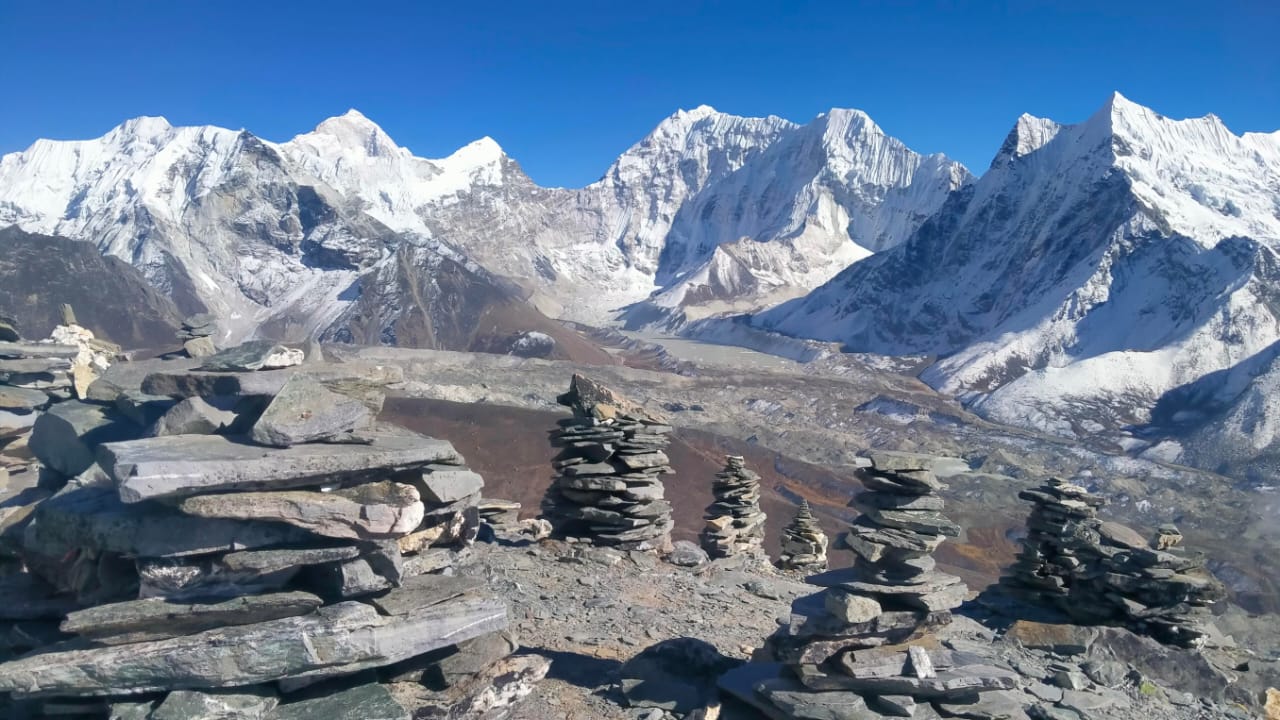
The Everest Base Camp Trek is one of the most popular Himalayan adventures, attracting trekkers from around the world. Before setting out, it is natural to have questions about the route, altitude, difficulty, accommodation, food, permits and safety.
At Create Himalaya Adventure, we have put together these frequently asked questions to help you understand what to expect and how to prepare for your journey to Everest Base Camp. Whether you are a first-time trekker or an experienced hiker, these answers will help you plan your adventure with greater confidence.
1. Where is Everest Base Camp located?
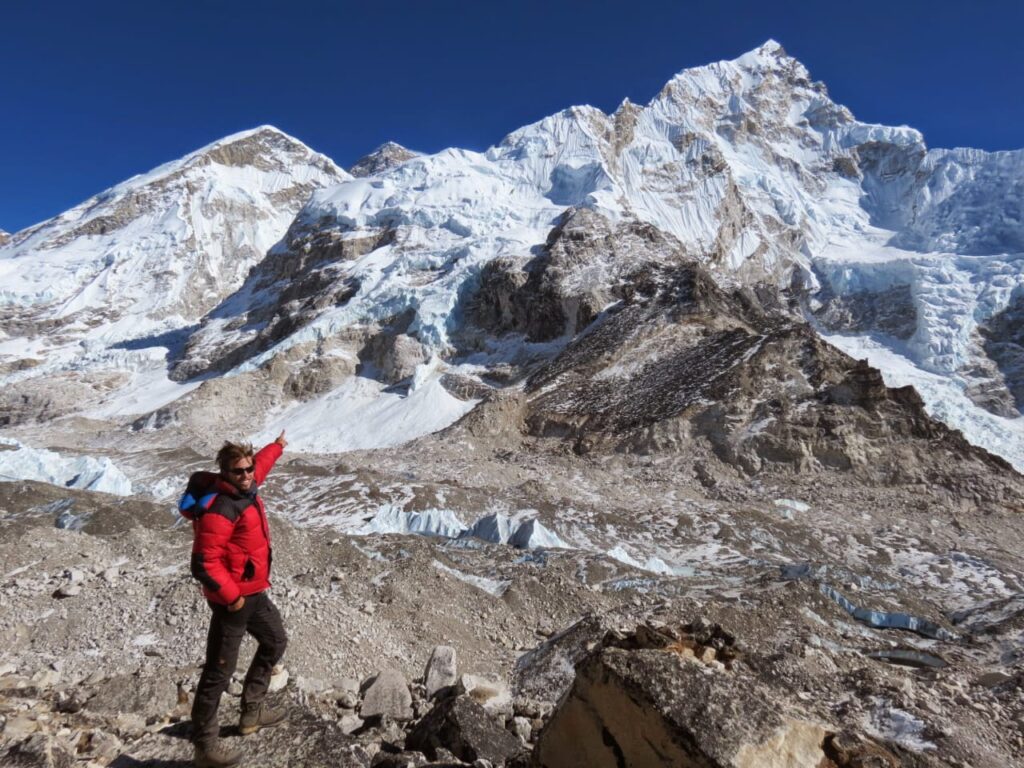
Everest Base Camp is located in the Khumbu region of northeastern Nepal, within Sagarmatha National Park. It lies at the foot of Mount Everest, close to the Nepal–Tibet border. The base camp is surrounded by some of the world’s highest mountains, including Everest, Nuptse and Pumori.
The traditional trekking route begins with a flight to Lukla and passes through Phakding, Namche Bazaar, Tengboche, Dingboche and Lobuche before reaching Everest Base Camp. Along the way, trekkers experience Sherpa culture, traditional mountain villages, Buddhist monasteries and spectacular Himalayan scenery.
2. What is the elevation of Everest Base Camp?
Everest Base Camp on the Nepal side is situated at approximately 5,364 meters (17,598 feet) above sea level. It is the main destination of the classic Everest Base Camp Trek and offers close-up views of the Khumbu Glacier and surrounding Himalayan peaks.
Although the base camp is the main trekking destination, many trekkers also climb Kala Patthar, which reaches approximately 5,545 meters (18,192 feet). Kala Patthar provides an excellent viewpoint of Mount Everest and the surrounding mountains.
3. How difficult is the Everest Base Camp Trek?
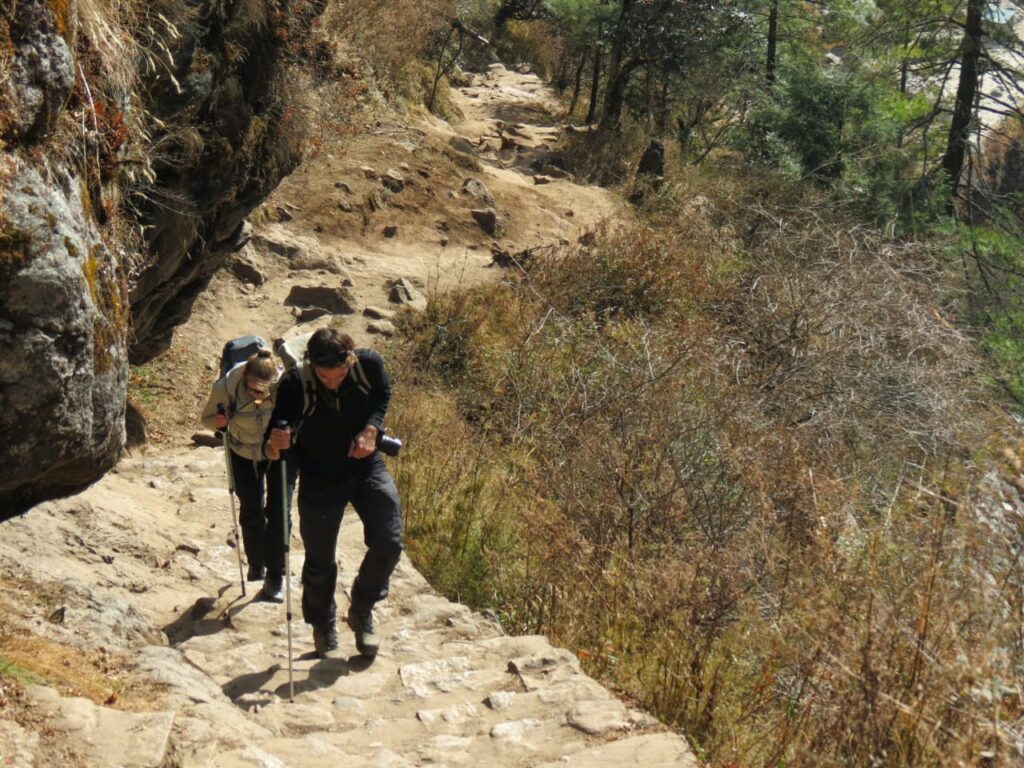
The Everest Base Camp Trek is considered a moderately challenging to strenuous high-altitude trek. It does not require technical climbing skills, but trekkers need good physical fitness, endurance and the ability to walk for several hours a day.
Most trekking days involve approximately five to seven hours of walking, with some longer days depending on the itinerary. The increasing altitude, steep uphill sections, rocky trails and cold temperatures can make the journey more demanding.
With proper preparation, a gradual walking pace and sufficient acclimatization, many people with limited trekking experience can complete the trek. Create Himalaya Adventure provides experienced guides and carefully planned itineraries to help trekkers manage the challenges of the route.
Read More: How Difficult Is the Everest Base Camp Trek?
4. How many days does it take to complete the Everest Base Camp Trek?
The standard Everest Base Camp Trek usually takes 12 to 14 days, starting and ending in Lukla. This duration generally includes time for acclimatization in Namche Bazaar and Dingboche, as well as the trek to Everest Base Camp and Kala Patthar.
The total trip from Kathmandu often takes 14 to 16 days, depending on the flight schedule, arrival and departure arrangements, and the number of rest days.
Trekkers with limited time can choose a shorter itinerary, while those who prefer a more relaxed journey can add extra acclimatization days or visit Gokyo Lakes. We recommend allowing some flexibility for possible flight delays and changing mountain weather.
5. Do I need a guide for the Everest Base Camp Trek?
Hiring a licensed trekking guide is an important part of planning the Everest Base Camp Trek. A knowledgeable guide helps with route navigation, accommodation arrangements, local communication, altitude awareness and daily trekking arrangements.
A guide can also introduce you to Sherpa culture, Buddhist traditions and the history of the Khumbu region. Having someone familiar with the trail is particularly helpful when weather conditions change or you experience difficulties during the trek.
Create Himalaya Adventure provides experienced, government-licensed trekking guides who accompany trekkers throughout the journey. You can also arrange a porter to carry your main luggage, allowing you to walk with a lighter daypack.
6. What is the best time of year to trek to Everest Base Camp?
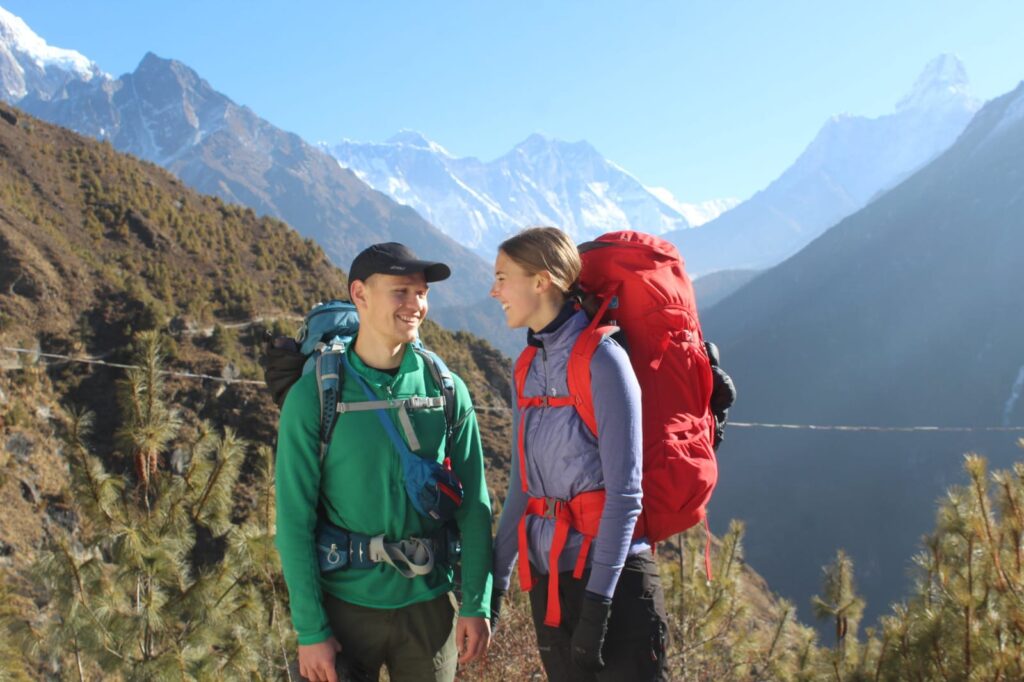
The two main trekking seasons for Everest Base Camp are spring (March to May) and autumn (September to November).
Spring brings gradually warmer temperatures, blooming rhododendrons at lower elevations and opportunities to see Mount Everest climbing expeditions. Autumn generally offers clear mountain views, pleasant daytime temperatures and stable trekking conditions, especially after the monsoon.
Winter (December to February) is also possible for experienced and well-prepared trekkers, but temperatures can be extremely cold, and snowfall may affect the trail. The monsoon season (June to August) brings rain, clouds and possible flight disruptions, particularly at lower elevations.
The best time for your trek depends on your preferred weather, available travel dates and tolerance for cold temperatures.
7. Can you see Mount Everest from Everest Base Camp?
Mount Everest is not fully visible from the traditional Everest Base Camp because nearby mountains, particularly Nuptse, obstruct much of the view. Although you are standing at the foot of the world’s highest mountain, the summit may not be clearly visible from the base camp itself.
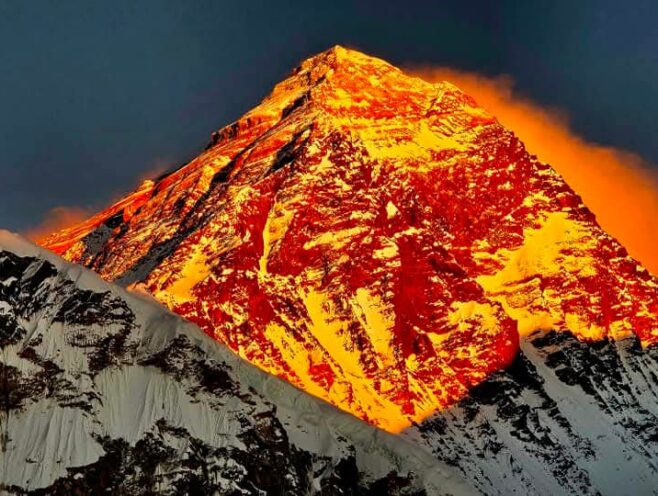
For a panoramic view of Mount Everest, Kala Patthar is one of the most popular viewpoints on the trekking route. From its summit, you can enjoy impressive views of Everest, Nuptse, Pumori and the surrounding Himalayan peaks.
Many trekkers visit Kala Patthar early in the morning to enjoy the sunrise over the mountains. The changing light creates a memorable view of the Everest region.
8. What permits are required for the Everest Base Camp Trek?
Trekkers generally need two permits for the classic Everest Base Camp Trek:
- Khumbu Pasang Lhamu Rural Municipality Permit: Required for trekking in the Khumbu region.
- Sagarmatha National Park Entry Permit: Required to enter Sagarmatha National Park, where the Everest Base Camp trail is located.
These permits are checked at designated points along the route. The fees may vary depending on nationality and applicable local regulations.
Create Himalaya Adventure can arrange the required permits as part of your trekking package, so you do not have to manage the paperwork yourself. A valid passport and the necessary personal details are generally required for permit registration.
9. How much does the Everest Base Camp Trek cost?
The cost of the Everest Base Camp Trek depends on the itinerary, group size, accommodation, transportation and services included in the package. A budget trek, a standard guided trek and a more comfortable private trip can have significantly different prices.
The main expenses include flights between Kathmandu and Lukla, trekking permits, accommodation, meals, guide and porter services, insurance and personal expenses. Additional costs may include hot showers, Wi-Fi, charging facilities, snacks and drinks.
Create Himalaya Adventure offers different trekking packages to suit different budgets and travel preferences. Before booking, check what is included in the price to understand the total cost of your trip and avoid unexpected expenses.
10. How serious is altitude sickness on the Everest Base Camp Trek?
Altitude sickness is one of the main challenges of the Everest Base Camp Trek because the route reaches elevations above 5,000 meters. It can affect anyone, regardless of age, fitness or previous trekking experience.
Common symptoms include headaches, dizziness, nausea, loss of appetite, tiredness and difficulty sleeping. Symptoms can become serious if trekkers continue ascending without proper acclimatization.
To reduce the risk, it is important to walk slowly, drink enough fluids, follow a gradual itinerary and allow sufficient time for acclimatization. If you develop symptoms, inform your guide immediately. Severe symptoms require stopping the ascent and descending to a lower altitude, with urgent medical assistance when necessary.
Our guides monitor trekkers throughout the journey and help identify possible altitude-related problems. However, no itinerary or guide can completely eliminate the risk of altitude sickness.
11. What is the total trekking distance from Lukla to Everest Base Camp and back?
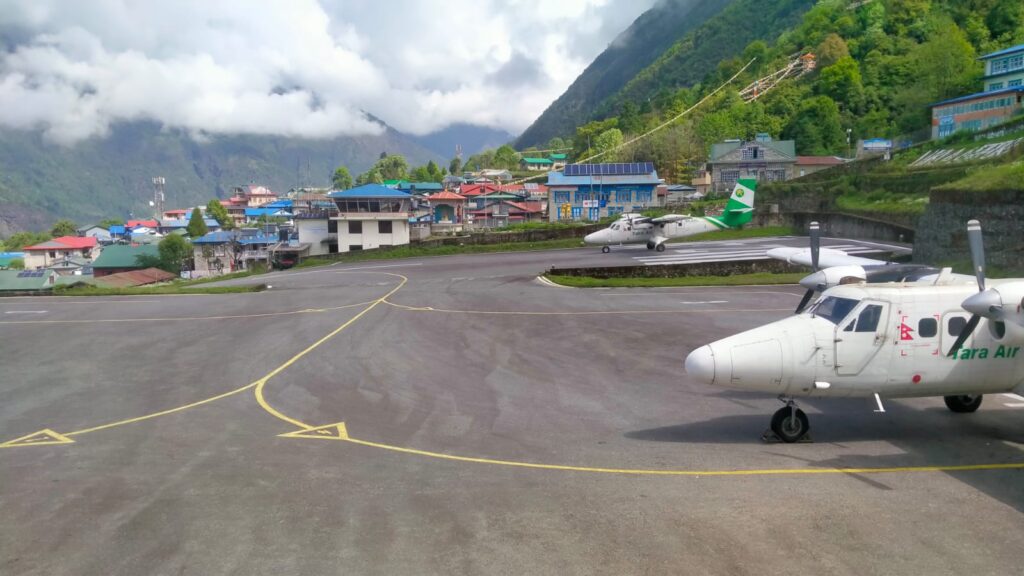
The total trekking distance from Lukla to Everest Base Camp and back to Lukla is approximately 130 kilometers (81 miles), depending on the exact route and side trips included.
The distance is generally divided over 12 to 14 trekking days, including acclimatization days in Namche Bazaar and Dingboche. The actual walking distance varies according to the itinerary, overnight stops and whether you visit Kala Patthar.
Although the daily distance may not seem particularly long, the steep trails, rocky terrain and high altitude make the trek more demanding than an ordinary hike. Walking at a comfortable pace and taking regular breaks can make the journey more manageable.
12. How many hours do you walk each day on the Everest Base Camp Trek?
Trekkers usually walk for approximately five to seven hours a day on the Everest Base Camp Trek. Some shorter days may take only three to four hours, while longer days, such as the journey to Everest Base Camp or Kala Patthar, may require more time.
The walking duration depends on the trail conditions, altitude, weather, individual fitness and the number of breaks taken along the way. The route includes gradual ascents, steep climbs, rocky paths and sections alongside the Dudh Koshi River and Khumbu Glacier.
Our itineraries are designed to allow time for rest, meals and enjoying the mountain scenery. Walking slowly and maintaining a steady pace is particularly important at higher elevations.
13. Where does the Everest Base Camp Trek start and end?
The classic Everest Base Camp Trek starts and ends in Lukla, a small mountain town in the Khumbu region of Nepal. Most trekkers fly from Kathmandu to Lukla, where the trekking adventure begins.
From Lukla, the trail passes through Phakding, Namche Bazaar, Tengboche, Dingboche and Lobuche before reaching Everest Base Camp. After visiting the base camp and Kala Patthar, trekkers retrace their route through the same villages to return to Lukla.
The trek usually ends with a flight from Lukla to Kathmandu. During certain busy trekking seasons, flights may operate from Ramechhap instead, requiring an additional road journey between Kathmandu and Ramechhap.
14. Do I need previous trekking experience to reach Everest Base Camp?
Previous trekking experience is helpful but not compulsory for the Everest Base Camp Trek. The route does not involve technical climbing, ropes or mountaineering equipment under normal conditions.
However, the trek involves long walking days, steep ascents and high-altitude conditions. First-time trekkers should prepare by walking regularly, hiking on uneven terrain and gradually increasing their endurance before arriving in Nepal.
A well-planned itinerary with sufficient acclimatization is especially important for beginners. With suitable preparation, a steady pace and support from an experienced guide, many first-time trekkers can complete the journey.
15. How fit do I need to be for the Everest Base Camp Trek?
You should have a reasonable level of cardiovascular fitness and enough stamina to walk for five to seven hours on several consecutive days. You do not need to be an athlete, but regular preparation can make the trek more comfortable.
Before your trip, consider walking, hiking, cycling, swimming or climbing stairs several times a week. Gradually increase the duration of your workouts and practise walking on uphill and uneven trails if possible.
Leg strength, balance and endurance are useful because the trail includes steep climbs and descents. It is also important to remember that physical fitness does not prevent altitude sickness. Proper acclimatization remains essential, even for very fit trekkers.
16. What is the highest altitude reached during the Everest Base Camp Trek?
The highest point of the classic Everest Base Camp Trek is Kala Patthar, at approximately 5,545 meters (18,192 feet) above sea level. Although Everest Base Camp itself is at approximately 5,364 meters, most standard itineraries include a climb to Kala Patthar for its mountain views.
The climb usually begins early in the morning from Gorak Shep. The trail is steep and can be challenging because of the high altitude and cold temperatures.
From the top, trekkers can enjoy panoramic views of Mount Everest, Nuptse, Pumori and other Himalayan peaks. The exact highest point reached depends on the itinerary and weather conditions.
17. Is acclimatization necessary during the Everest Base Camp Trek?
Yes, acclimatization is essential for the Everest Base Camp Trek. As you climb higher, the amount of available oxygen decreases, making it more difficult for your body to adjust to the altitude.
Most standard itineraries include acclimatization days in Namche Bazaar and Dingboche. During these days, trekkers usually take short hikes to higher elevations and return to their overnight accommodation to sleep at a lower altitude.
Following the principle of climbing gradually and allowing your body enough time to adjust helps reduce the risk of altitude sickness. You should never rush the trek simply to reach Everest Base Camp sooner.
Create Himalaya Adventure plans itineraries with acclimatization in mind to help trekkers adjust to the increasing elevation.
18. What kind of accommodation is available along the Everest Base Camp route?
Accommodation on the Everest Base Camp Trek is mainly provided by teahouses and mountain lodges. These are simple, locally operated establishments that offer rooms, meals and a place to rest after a day of walking.
Most teahouses provide twin-sharing rooms with basic beds, mattresses, pillows and blankets. Bathrooms may be shared, particularly at higher elevations. Some lodges in Namche Bazaar and other larger villages offer more comfortable rooms and attached bathrooms.
As you climb higher, accommodation becomes more basic, and facilities may be limited. During the busy spring and autumn seasons, rooms can fill up quickly, so advance arrangements are helpful.
Create Himalaya Adventure arranges suitable teahouse accommodation throughout the trek according to the selected package and availability.
19. What food is available during the Everest Base Camp Trek?
Teahouses along the Everest Base Camp route serve a variety of local and international meals. Dal bhat, consisting of rice, lentil soup and vegetables, is a popular choice because it provides energy for long trekking days.
Other common meals include noodles, fried rice, pasta, soups, potatoes, momos, pancakes, eggs, porridge and bread. Many lodges also serve tea, coffee, hot chocolate and other drinks.
Food choices are generally more varied in villages such as Namche Bazaar and become more limited at higher elevations. Vegetarian meals are widely available, and some lodges can accommodate special dietary requirements if informed in advance.
We recommend eating regular, nutritious meals and choosing foods that provide enough energy for your daily walks.
20. Is drinking water easily available along the Everest Base Camp trail?
Yes, drinking water is available at teahouses and small shops throughout most of the Everest Base Camp route. You can usually purchase boiled water or fill your bottle at lodges along the trail.
Bottled water is also available in many villages, although it becomes more expensive at higher elevations. To reduce plastic waste, we encourage trekkers to carry reusable water bottles and use boiled water or a suitable water purification system.
Avoid drinking untreated water directly from streams, rivers or taps. Water purification tablets, filters or other reliable treatment methods are useful for additional flexibility.
Staying hydrated is important during the trek, but you should drink according to your needs rather than forcing excessive amounts of water.
21. Is Wi-Fi or mobile network available during the Everest Base Camp Trek?
Yes, Wi-Fi and mobile network services are available in many villages along the Everest Base Camp route. However, the connection quality varies depending on the location, weather and service provider.
Namche Bazaar and some lower villages generally have better connectivity, while internet access can be slower and less reliable at higher elevations. Many teahouses offer paid Wi-Fi, and mobile networks such as Ncell and Nepal Telecom provide coverage in parts of the region.
Do not expect a stable internet connection throughout the trek. If you need to stay in touch with family or work, inform them that connectivity may be limited. Download important maps, documents and travel information before leaving Kathmandu.
22. Are ATMs available along the Everest Base Camp route?
ATMs are available in Namche Bazaar, but their availability and reliability are not guaranteed. There are no dependable ATM facilities in most of the villages beyond Namche Bazaar.
We recommend withdrawing enough Nepalese rupees in Kathmandu before starting the trek. You may need cash for meals, drinks, hot showers, Wi-Fi, charging electronic devices, tips and other personal expenses not included in your package.
Card payments are accepted at some businesses in larger villages, but cash remains the most practical payment method throughout much of the trekking route. Carrying sufficient cash helps avoid unnecessary difficulties in remote areas.
23. What should I pack for the Everest Base Camp Trek?
Packing the right equipment is essential for a comfortable and safe Everest Base Camp Trek. You need suitable clothing for changing temperatures, comfortable trekking boots and essential personal items.
Your packing list should include:
- Waterproof and windproof jacket and trousers
- Warm down jacket and insulated layers
- Moisture-wicking base layers
- Trekking trousers and comfortable shirts
- Warm gloves, a hat and a sun hat
- Comfortable, well-broken-in trekking boots
- Wool or thermal trekking socks
- Sunglasses and high-SPF sunscreen
- A sleeping bag suitable for cold conditions
- A backpack and a small daypack
- A reusable water bottle and water purification supplies
- Personal medication, toiletries and a basic first-aid kit
- Headlamp, power bank and charging cables
Pack according to the season and your itinerary. Avoid carrying unnecessary items because extra weight can make the trek more tiring. Create Himalaya Adventure can provide a detailed packing list before your departure and may arrange essential trekking equipment according to your package.
24. Do I need travel insurance for the Everest Base Camp Trek?
Yes, travel insurance that covers high-altitude trekking is strongly recommended for the Everest Base Camp Trek. Ordinary travel insurance may not cover trekking at elevations above 5,000 meters, so you should carefully check the policy before purchasing it.
Your insurance should ideally cover emergency medical treatment, helicopter evacuation, hospital expenses, trip interruption and other relevant emergencies. Check the maximum altitude covered and any exclusions that apply to your activities.
Helicopter evacuation in the Everest region can be expensive, particularly when urgent medical assistance is required. Carry a copy of your insurance policy and emergency contact details during the trek.
25. Can beginners complete the Everest Base Camp Trek?
Yes, beginners can complete the Everest Base Camp Trek if they are physically prepared and follow a suitable itinerary. Technical climbing experience is not necessary, but the trek requires endurance, patience and the ability to walk for several hours each day.
First-time trekkers should prepare well in advance with regular walking, hiking and cardiovascular exercise. Choosing an itinerary with sufficient acclimatization days is also important.
A licensed trekking guide can help beginners navigate the route, manage daily arrangements and recognize possible altitude-related symptoms. With proper preparation and a gradual pace, the trek can be an achievable adventure for many people who are new to trekking.
26. Can I trek to Everest Base Camp without flying to Lukla?
Yes, it is possible to reach Everest Base Camp without flying to Lukla. One alternative is to travel by road to the lower Solukhumbu region and begin trekking from locations such as Salleri or Thamdanda, depending on road conditions and the chosen itinerary.
This option adds several days of walking compared with the classic Lukla route. It also allows trekkers to experience more of the lower Himalayan foothills and traditional villages.
However, road conditions can vary considerably, especially during the monsoon season. If you prefer to avoid flying to Lukla, Create Himalaya Adventure can help arrange an alternative itinerary based on your available time and travel preferences.
27. Is it possible to trek to Everest Base Camp and return by helicopter?
Yes, you can trek to Everest Base Camp and return by helicopter instead of walking all the way back to Lukla. This option is commonly known as the Everest Base Camp Trek with Helicopter Return.
After reaching Everest Base Camp and visiting Kala Patthar, depending on weather and flight arrangements, you can take a helicopter from the Everest region toward Kathmandu. Some itineraries include a helicopter flight from Gorak Shep or another suitable landing point.
A helicopter return can save several days of walking and is useful for trekkers with limited time. However, flights depend on weather, visibility, altitude restrictions and operational conditions. Helicopter services also cost more than the standard trekking return.
Create Himalaya Adventure can arrange helicopter-return itineraries for trekkers who want to experience Everest Base Camp while spending less time on the trail.
28. Can I visit Kala Patthar during the Everest Base Camp Trek?
Yes, Kala Patthar is one of the most popular highlights of the Everest Base Camp Trek. Located at approximately 5,545 meters, it offers a panoramic view of Mount Everest and several other Himalayan peaks.
Most standard itineraries include an early morning hike from Gorak Shep to Kala Patthar. The climb usually takes around two to three hours, depending on your pace and the trail conditions. Trekkers often start before sunrise to see the first sunlight falling on the mountains.
The ascent is steep and physically demanding because of the high altitude. However, the spectacular mountain scenery makes it a memorable part of the journey. Your guide can help you decide whether to attempt the climb based on your health, acclimatization and weather conditions.
29. Is the Everest Base Camp Trek safe for solo trekkers?
The Everest Base Camp Trek is a popular route for solo travelers, but trekking alone still requires careful preparation. The trail is well established, and many villages have teahouses and other basic facilities. However, high altitude, changing weather, difficult terrain and limited medical services can create risks.
Solo trekkers should plan their itinerary carefully, carry appropriate equipment, monitor their health and avoid rushing the ascent. Having a guide provides additional assistance with navigation, local arrangements and emergencies.
Even if you are an experienced hiker, you should not underestimate the challenges of trekking above 5,000 meters. Create Himalaya Adventure can arrange private guided treks or help you join a group, depending on your preference.
30. Can I extend the Everest Base Camp Trek to include Gokyo Lakes or the Three High Passes?
Yes, you can extend the classic Everest Base Camp Trek to include Gokyo Lakes or the Everest Three High Passes. These extensions offer additional mountain scenery, high-altitude trails and opportunities to explore more of the Khumbu region.
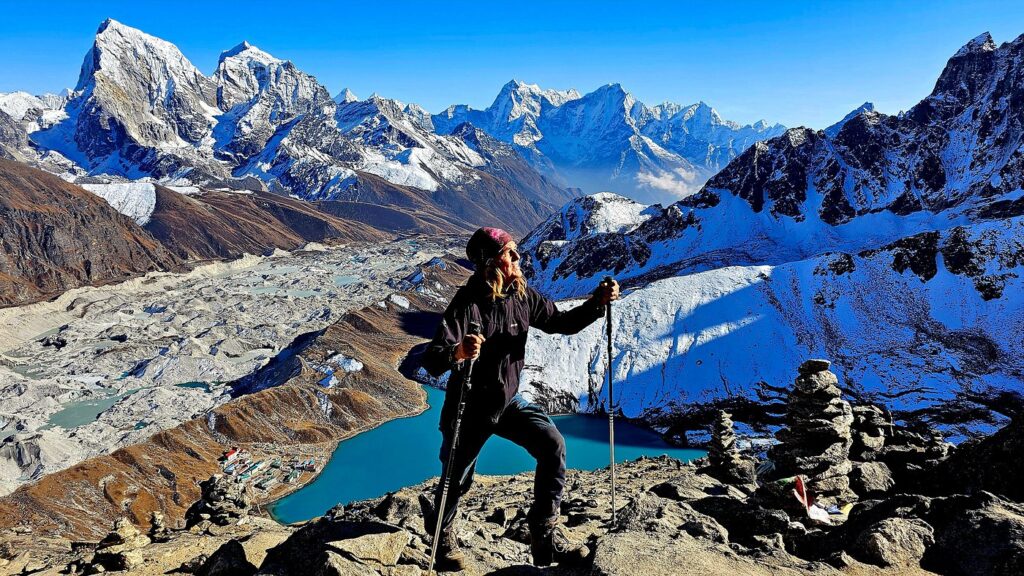
The Gokyo Lakes and Everest Base Camp combination usually includes crossing Cho La Pass, which connects the Everest Base Camp trail with the Gokyo Valley. It allows trekkers to visit the beautiful turquoise lakes and climb Gokyo Ri for panoramic mountain views.
The Three High Passes Trek includes Kongma La, Cho La and Renjo La. It is a longer and more challenging adventure involving several high-altitude crossings.
Both extensions require additional time, physical preparation and careful acclimatization. Create Himalaya Adventure offers itineraries for these routes, allowing trekkers to choose an adventure suited to their available time and experience.
31. Can I charge my phone and camera during the Everest Base Camp Trek?
Yes, you can charge your phone, camera and other electronic devices at most teahouses along the Everest Base Camp route. However, charging facilities may be limited, particularly at higher elevations.
Some lodges provide charging through electrical outlets in dining rooms or bedrooms, while others use solar power. Charging services may involve an additional fee, and electricity can sometimes be unreliable.
We recommend carrying a power bank, spare camera batteries and the necessary charging cables. Keeping your devices fully charged in larger villages such as Namche Bazaar and Dingboche can also be helpful before heading to higher elevations.
32. Are hot showers available along the Everest Base Camp trail?
Yes, hot showers are available at many teahouses along the Everest Base Camp route, particularly in lower villages such as Phakding and Namche Bazaar. However, facilities become more basic as you climb higher.
Some lodges provide gas-heated showers, while others use solar-heated water. Hot showers usually cost extra, and availability may depend on the weather and electricity supply.
At higher elevations, hot water may be limited or unavailable. We recommend carrying wet wipes and a small quick-drying towel as alternatives. Keeping warm after bathing is particularly important in cold mountain conditions.
33. Is there a weight limit for luggage on the Lukla flight?
Yes, flights between Kathmandu or Ramechhap and Lukla generally have a baggage allowance of approximately 15 kg per passenger, including checked luggage and hand baggage. The usual allowance is 10 kg for checked baggage and 5 kg for hand luggage, although the exact rules may vary by airline.
If your luggage exceeds the permitted weight, you may have to pay additional charges or make alternative arrangements. It is best to pack only the essential items for your trek.
Create Himalaya Adventure can help organize a suitable duffel bag and arrange a porter to carry your main trekking luggage. Before departure, we recommend checking the latest baggage allowance with your airline.
34. What happens if the Lukla flight is delayed or canceled?
Lukla flights are highly dependent on weather conditions, visibility and airport operations. Flights may be delayed or canceled because of fog, strong winds, poor visibility or other unfavorable conditions.
If your flight is canceled, you may have to wait for the next available flight. During busy trekking seasons, some flights operate from Ramechhap instead of Kathmandu, which requires a road journey of approximately five to six hours.
To reduce the inconvenience of flight disruptions, it is advisable to keep one or two extra days in your overall travel schedule. Helicopter services may sometimes be available as an alternative, subject to weather, availability and additional costs.
Create Himalaya Adventure helps trekkers manage flight arrangements and alternative transportation when disruptions occur.
35. Can I trek to Everest Base Camp during the winter or monsoon?
Yes, the Everest Base Camp Trek is possible during both winter and monsoon, but the conditions are different from the main spring and autumn trekking seasons.
Winter, from December to February, brings very cold temperatures, particularly at higher elevations. Snowfall can make some sections of the trail difficult, and some teahouses may close during the coldest months. Trekkers need suitable winter clothing, warm sleeping equipment and a flexible itinerary.
The monsoon season, from June to August, brings frequent rainfall, cloudy skies and potentially muddy or slippery trails at lower elevations. Flights to Lukla may also be affected by poor weather. However, the upper Khumbu region can sometimes receive less rainfall than lower parts of Nepal.
Both seasons require careful planning, suitable equipment and flexibility. Before booking, consider the weather conditions, available accommodation and your trekking experience.
Plan Your Everest Base Camp Trek with Create Himalaya Adventure
Reaching Everest Base Camp is a memorable Himalayan adventure, but good preparation makes a significant difference. Choosing the right season, allowing enough time for acclimatization and understanding the trekking conditions can help you enjoy the journey.
Create Himalaya Adventure offers guided Everest Base Camp Trek packages with experienced local guides, carefully planned itineraries and support throughout your trip. Whether you prefer a standard trek, a private journey or a helicopter return, we can help you plan an itinerary that suits your schedule and preferences.
Contact our team to start planning your Everest Base Camp adventure.
Ramchandra Lamichhane
Trekking Expert
No hidden fees • Local experts • Best price guarantee